“Walter Reed provides world-class medical care for our wounded warriors”
From “crazy” to confirmed
The Claim Is Made
This is the moment they called it crazy.
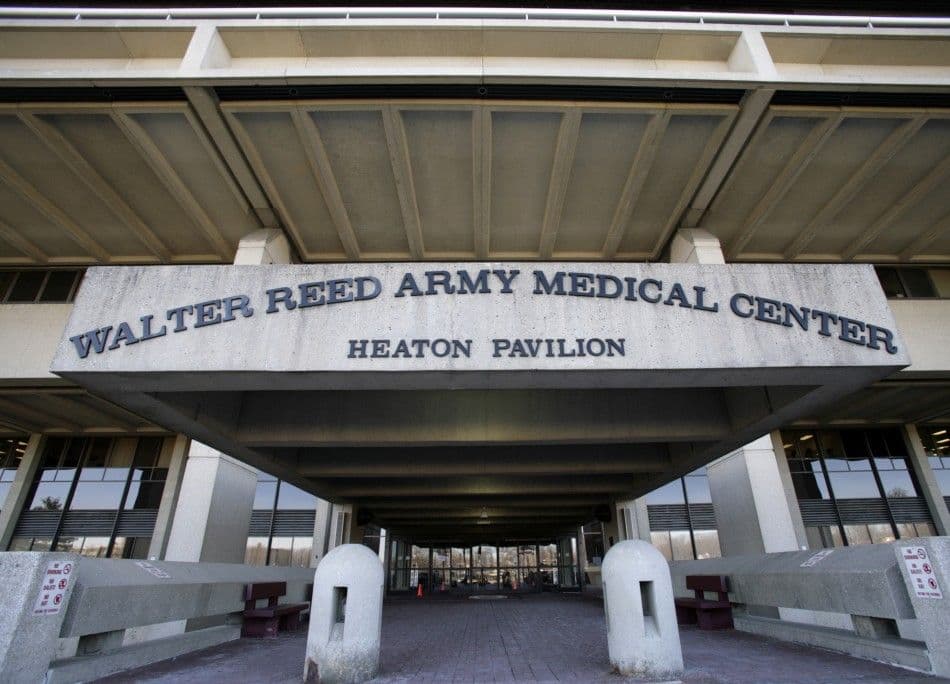
When The Washington Post sent reporters to Walter Reed Army Medical Center in early 2007, they found something the institution's leadership insisted didn't exist: a crisis in plain sight. The nation's premier military hospital, where wounded soldiers from Iraq and Afghanistan were supposed to receive world-class care, was instead warehousing veterans in rooms infested with mold and rodents. Outpatient soldiers described neglect, lost paperwork, and a bureaucratic system that seemed designed to break them further.
The Army's position was unambiguous. Officials maintained that Walter Reed met all standards and that patient care was exemplary. Command insisted that conditions were acceptable, resources were adequate, and complaints were isolated grievances from a small number of dissatisfied individuals. This wasn't a defensive lie whispered behind closed doors—it was the official narrative presented to Congress, the media, and the American people. The institution had a reputation to protect, and protecting it meant denying what was happening in the buildings under their command.
What made this claim verifiable wasn't a leaked memo or a whistleblower's word against the military's. The Post's investigation produced photographs and documented evidence that stood independent of interpretation. Reporters found Building 18, a former hotel converted into barracks, where wounded soldiers lived surrounded by decay. Mold covered walls. Rodents had the run of hallways. Veterans who had lost limbs in service to their country were navigating a facility that seemed unable to provide basic sanitation. Soldiers spoke on the record about their experiences. Medical professionals at the hospital confirmed what they were seeing. The evidence was material and visual—not allegations, but facts.
The scandal didn't fade into the background of the news cycle. Instead, it metastasized. Additional investigations revealed that the problems extended beyond infrastructure. The outpatient bureaucracy was a nightmare. Soldiers waited months for appointments. Medical records were lost. Administrative requirements conflicted with actual treatment. The system was broken not just in its physical plant but in its fundamental operations. General Kevin C. Kiley, who commanded Walter Reed at the time, eventually resigned as Surgeon General—a position he had been nominated to assume. Multiple officials faced consequences. Congressional hearings followed. The Department of Defense eventually closed the facility in 2011.
What matters here isn't just that the Post found rats in a hospital. What matters is that an institution entrusted with the care of our most vulnerable citizens systematically denied a documented reality while maintaining its official credibility. The Army knew, or should have known, what was happening. Yet the default position was not investigation or remedy, but denial and defense of reputation.
The Walter Reed scandal remains a textbook case in how institutional authority can resist truth. Long after the facts were established beyond any reasonable doubt, there remained a gap between what officials claimed was happening and what was actually occurring. It illustrates why independent journalism, congressional oversight, and the willingness of individuals to speak despite institutional pressure matter in a functioning democracy. When those safeguards work, eventually the truth prevails. When they fail, wounded soldiers live with mold.
Get the 5 biggest receipts every week, straight to your inbox — plus an exclusive PDF: The Top 10 Conspiracy Theories Proven True in 2025-2026. No spam. No agenda. Just the papers they couldn't hide.
You just read "Walter Reed Hospital Scandal - Army Covered Up Deplorable Co…". We send ones like this every week.
No one's said anything yet. Be the first to drop your take.