Arkansas prosecutors withheld evidence and relied on discredited forensic testimony to convict three teenagers for murder in 1993. DNA evidence and prosecutorial misconduct revelations led to their release through Alford pleas in 2011.
“The evidence clearly established the guilt of the defendants and all evidence was properly disclosed”
From “crazy” to confirmed
The Claim Is Made
This is the moment they called it crazy.
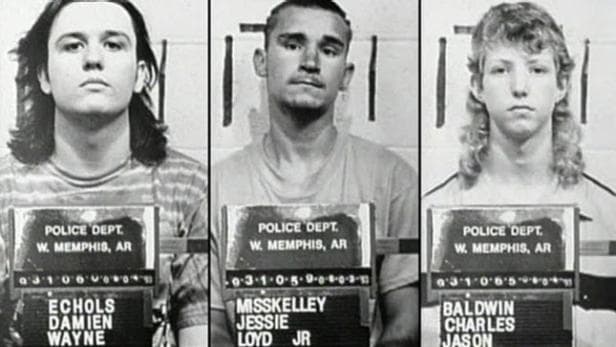
On May 5, 1993, three boys—Damien Echols, Jason Baldwin, and Jessie Misskelley Jr.—were arrested for the murder of three eight-year-old boys in West Memphis, Arkansas. The case seemed straightforward to prosecutors: three teenagers, alleged satanic ritual connections, and a confession. Within months, all three were convicted. The oldest received a death sentence.
What happened next is less a story of justice than an indictment of how easily the system can fail when evidence goes missing and expert testimony goes unquestioned.
The original conviction rested largely on Misskelley's confession, obtained during a 12-hour interrogation without proper legal representation, and on testimony from forensic experts claiming to find hair and fiber evidence linking the defendants to the crime scene. Bite mark evidence was also presented. Prosecutors painted a picture of devil worshippers committing ritualistic murder—a narrative that aligned with public hysteria about satanic cults sweeping America at the time.
When defense attorneys raised concerns about the evidence and the confession's reliability, they were dismissed. Appellate courts upheld the convictions. The state maintained its position: the West Memphis Three were guilty, and the evidence supported it.
For 18 years, that was the official story.
Then DNA technology advanced. In 2007, new DNA testing of biological evidence from the crime scene excluded all three defendants. The hair evidence that prosecutors had relied upon was re-examined and found to have been misidentified. The bite mark evidence—once considered cutting-edge forensics—was recognized as junk science by the broader scientific community. But the most damaging revelation came through discovery of suppressed evidence: prosecutors had withheld information suggesting an alternate suspect with a documented history of violence.
Get the 5 biggest receipts every week, straight to your inbox — plus an exclusive PDF: The Top 10 Conspiracy Theories Proven True in 2025-2026. No spam. No agenda. Just the papers they couldn't hide.
You just read "West Memphis Three Conviction Based on Suppressed Evidence a…". We send ones like this every week.
No one's said anything yet. Be the first to drop your take.
A 2008 investigation documented that prosecutors had failed to disclose exculpatory evidence to the defense—a violation of constitutional rights established in Brady v. Maryland decades earlier. Forensic experts acknowledged their original testimony was unreliable. The case against the three men was collapsing, piece by piece, under scrutiny that should have been applied from the beginning.
In 2011, facing the overwhelming weight of new evidence and facing potential civil liability, prosecutors negotiated Alford pleas—a legal mechanism allowing the three men to maintain innocence while accepting conviction to avoid further proceedings. Echols, Baldwin, and Misskelley walked free after nearly two decades in prison, three of them on death row.
The West Memphis Three case exposes systemic vulnerabilities that extend far beyond Arkansas. It demonstrates how confirmation bias, reliance on discredited forensic methods, and prosecutorial misconduct can combine to imprison innocent people. It shows that justice systems can fail spectacularly—and that the failures often aren't corrected until decades later, after immeasurable human suffering.
Perhaps most troubling: this wasn't a case that required extraordinary circumstances to expose. It required only that prosecutors follow the law they were sworn to uphold, and that forensic testimony meet basic scientific standards. These are baseline expectations, not exceptional demands.
The West Memphis Three's case teaches us that "they knew"—if we mean that the evidence of problems existed from the start. The question is why institutions designed to seek truth failed to look, or failed to listen when problems were pointed out. That remains the more important mystery.
Beat the odds
This had a 0.7% chance of leaking — someone talked anyway.
Conspirators
~50Network
Secret kept
33.1 years
Time to 95% exposure
500+ years