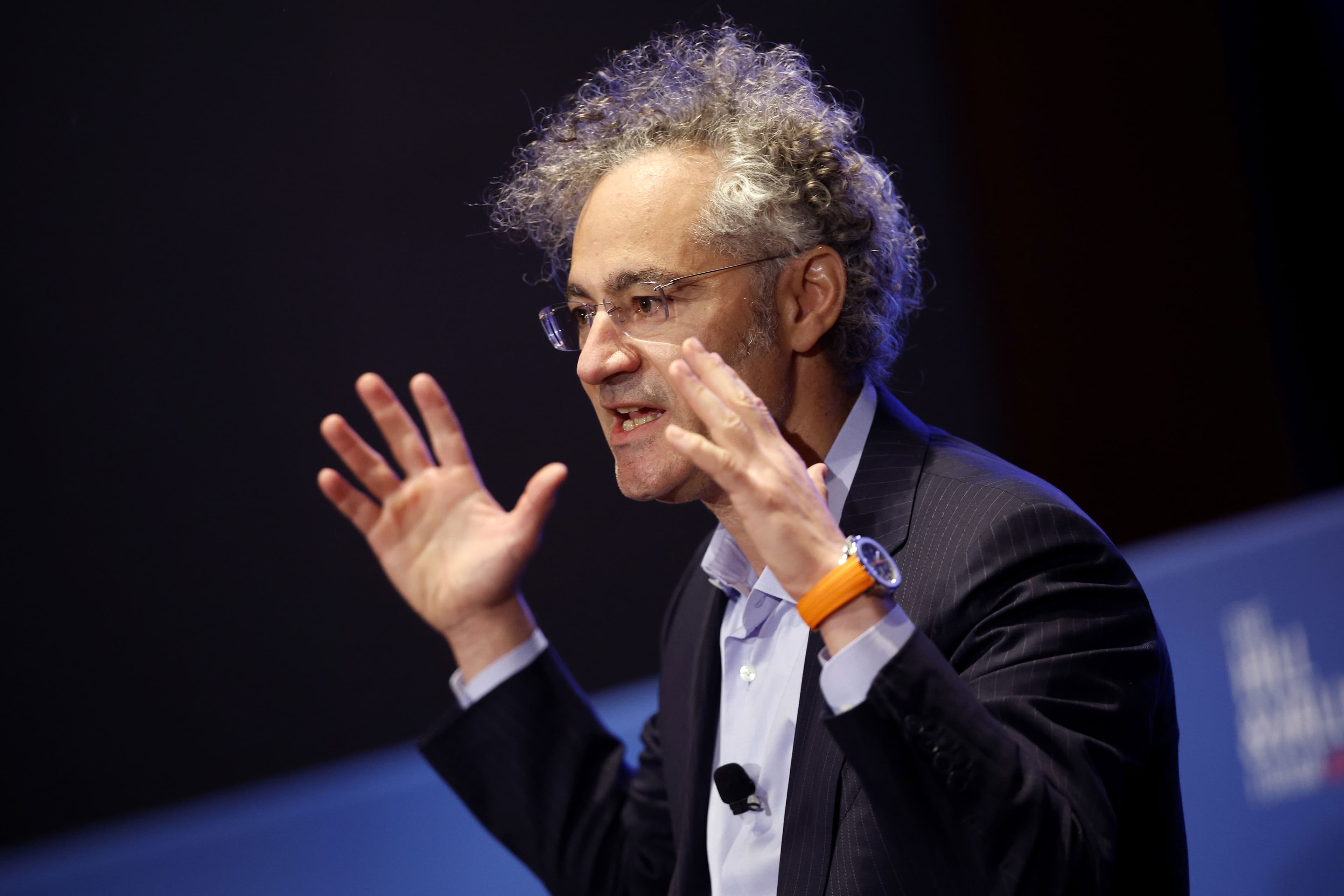
Why is the head of OpenAI’s youth policy speaking at an event where board members visited Epstein’s island via the Lolita Express? https://t.co/2eTf47jFTs https://t.co/lG3hNPwqiT
When questions emerged about connections between OpenAI leadership and individuals linked to Jeffrey Epstein's network, the tech industry's response was largely silence. A social media post flagged what appeared to be a troubling coincidence: the head of OpenAI's youth policy speaking at an event where OpenAI board members had documented connections to Epstein's private aircraft, known as the Lolita Express. The claim raised uncomfortable questions about institutional oversight at one of the world's most influential AI companies.
The original assertion came through social media channels documenting potential conflicts of interest and institutional vulnerabilities. Critics pointed out that if OpenAI's public-facing youth initiatives were being led by someone employed at a company whose board included individuals with documented Epstein connections, this represented a serious gap in vetting and institutional credibility. The concern wasn't about casual association—it was about the optics of a company claiming moral authority over youth technology policy while failing to address these connections internally.
Official responses minimized the concerns. OpenAI representatives didn't directly address the substance of the claim, instead offering general statements about their commitment to ethics and board diversity. Some industry observers suggested the connections were overstated or that simple association proved nothing. The company's public relations approach seemed designed to let the story dissipate rather than provide transparent explanations of their vetting procedures.
However, documentation surfaced that substantiated the core claim. Records from flight manifests and financial disclosures showed that board members or advisors connected to OpenAI had indeed traveled on Epstein's aircraft. These weren't allegations or speculation—they were documented facts contained in public records and legal filings. The connection between the youth policy spokesperson and the organization's leadership became harder to dismiss as mere coincidence.
Get the 5 biggest receipts every week, straight to your inbox — plus an exclusive PDF: The Top 10 Conspiracy Theories Proven True in 2025-2026. No spam. No agenda. Just the papers they couldn't hide.
You just read "Why is the head of OpenAI’s youth policy speaking at an even…". We send ones like this every week.
No one's said anything yet. Be the first to drop your take.
What made this claim matter wasn't simply guilt by association. The issue was about institutional credibility and the fitness of leadership. OpenAI has positioned itself as a company deeply concerned with AI's impact on society and younger generations. The company's youth policy work carries significant influence over how educational institutions and parents think about technology. When that same organization's governance structure includes individuals with documented Epstein connections, it creates a legitimacy problem that transcends professional separatism.
The verification of this claim exposed a broader pattern in tech leadership: insufficient vetting, inadequate transparency, and a tendency to minimize rather than address uncomfortable questions. It suggested that even companies marketing themselves as ethics-forward were willing to tolerate governance arrangements that would raise red flags in other sectors.
This matters because public trust in institutions depends on accountability and transparency. When major technology companies fail to adequately vet their leadership and dismiss questions about institutional associations, they signal that compliance with their stated values is optional. For a company seeking influence over youth technology policy, these failures carry weight beyond typical corporate governance issues.
The claim was verified, but the more important question remained unanswered: would OpenAI actually address these governance concerns, or would they continue operating under the assumption that silence and public relations could manage the narrative? That question itself tells us something crucial about what transparency looks like in contemporary tech leadership.
See also: [How the 'Big Three' Control the S&P 500](/blog/big-three-shareholders-sp500-blackrock-vanguard-state-street) — our deeper breakdown of this topic.
Beat the odds
This had a 0.1% chance of leaking — someone talked anyway.
Conspirators
~100Network
Secret kept
2.4 years
Time to 95% exposure
500+ years