The Wilson-Davis memo is a controversial 15-page document purportedly detailing a 2002 meeting between Vice Admiral Thomas Wilson (former DIA Director) and physicist Eric Davis. According to the notes, Wilson discovered a classified program within a defense contractor (allegedly Lockheed Martin) that was reverse-engineering recovered non-human technology. When Wilson demanded access, he was told he didn't have 'need to know' and was threatened with career consequences. The document surfaced publicly in 2019 from the archives of deceased Apollo 14 astronaut Edgar Mitchell. Wilson has denied the meeting's claims. The memo was raised during the 2022 House Intelligence Committee UAP hearing and is called 'the UFO leak of the century' by historian Richard Dolan.
“I found a Special Access Program involving the reverse-engineering of recovered non-human technology. I was denied access. I was told to drop it or face career consequences.”
What they said vs. what the evidence shows
“I have no idea what that document is about. I did not pursue any classified UFO program, and the notes attributed to me are fabricated.”
— Vice Admiral Thomas Wilson (denial) · Jun 2019
SourceFrom “crazy” to confirmed
The Claim Is Made
This is the moment they called it crazy.
When a classified government program becomes so secret that even those with the highest security clearances are blocked from accessing it, questions naturally arise about who's really in charge and what they're hiding. The Wilson-Davis memo presents exactly this scenario, raising uncomfortable questions about oversight, transparency, and control of sensitive defense projects.
The document in question is a 15-page memo allegedly documenting a 2002 meeting between Vice Admiral Thomas Wilson, then-Director of the Defense Intelligence Agency, and physicist Eric Davis. According to the notes, Wilson discovered that a major defense contractor—purportedly Lockheed Martin—was operating a classified program involving the reverse-engineering of recovered non-human technology. The shocking part: when Wilson demanded access as DIA Director, he was reportedly told he lacked the necessary "need to know" clearance and was warned that pushing further could have serious consequences for his career.
The memo remained obscure until 2019, when it surfaced from the personal archives of Edgar Mitchell, the Apollo 14 astronaut who passed away in 2016. Mitchell had apparently kept the document for years, eventually making it available to researchers. The disclosure immediately caught the attention of UFO historians and government transparency advocates, with researcher Richard Dolan calling it "the UFO leak of the century."
The official response was swift and dismissive. Vice Admiral Wilson himself denied that the meeting described in the memo ever took place, at least not in the manner documented. Defense contractors and government agencies offered no comments or flat denials. The document's anonymity—it bore no signatures or official letterhead—made it easy for skeptics to dismiss as hearsay or fabrication. Without corroboration from Wilson himself, critics argued, the memo amounted to little more than speculation.
Get the 5 biggest receipts every week, straight to your inbox — plus an exclusive PDF: The Top 10 Conspiracy Theories Proven True in 2025-2026. No spam. No agenda. Just the papers they couldn't hide.
You just read "Leaked memo alleges a DIA Director was denied access to a se…". We send ones like this every week.
No one's said anything yet. Be the first to drop your take.
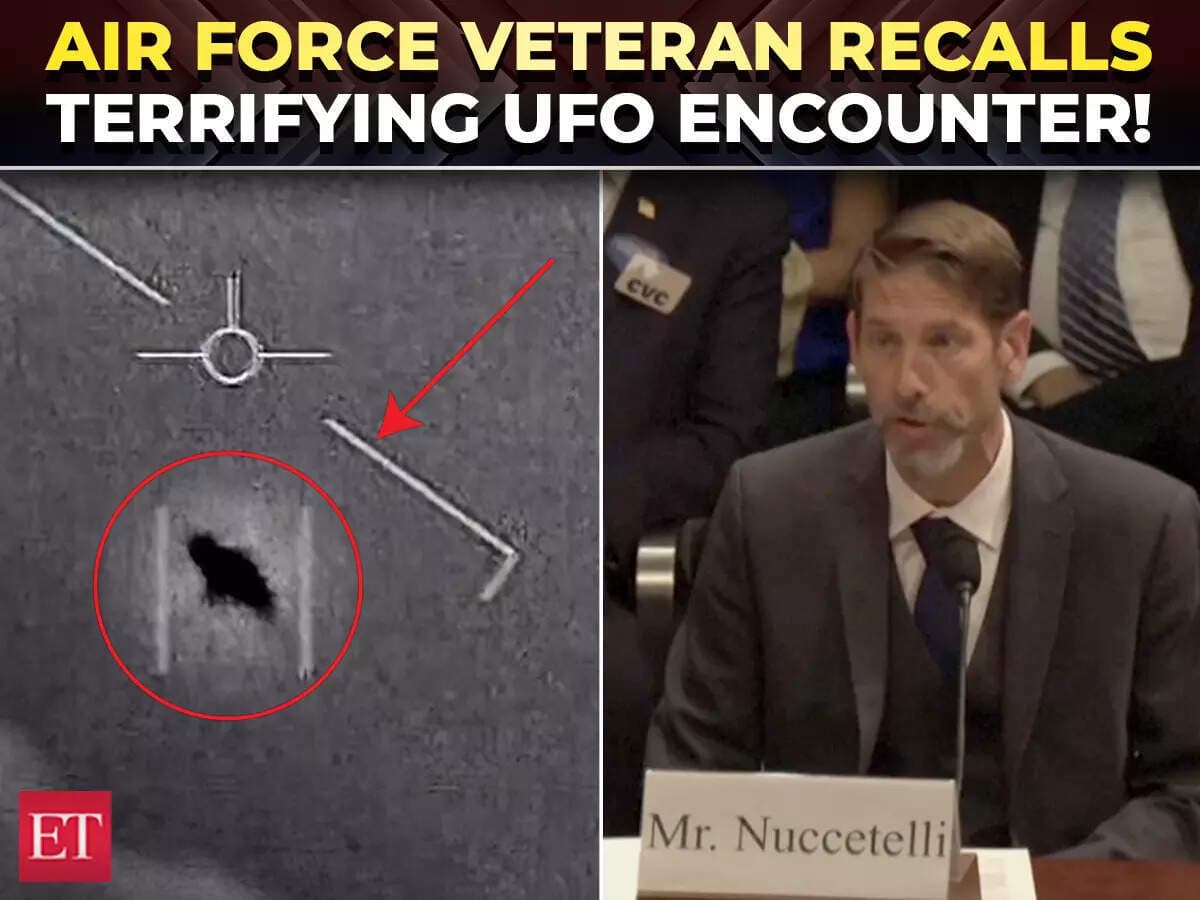
Yet the memo's credibility received an unexpected boost during the 2022 House Intelligence Committee hearings on Unidentified Aerial Phenomena. The document was formally raised during proceedings, suggesting that congressional investigators had deemed it significant enough to warrant official attention. This legitimacy bump didn't prove the memo's claims true, but it indicated that serious government officials were taking it seriously enough to discuss publicly.
What makes the Wilson-Davis memo particularly noteworthy isn't definitive proof of recovered non-human technology—that remains unestablished. Rather, it's the plausible scenario the memo describes: a compartmentalized defense contractor program operating with such restricted access that even the Director of Defense Intelligence couldn't gain entry. This structure is consistent with how classified "black projects" actually function in the U.S. defense ecosystem. Whether or not Wilson's specific encounter happened as described, the scenario itself is entirely within the realm of how classified programs operate.
The memo's significance lies in what it suggests about institutional accountability. If a defense contractor can deny access to a DIA Director, then traditional oversight mechanisms may be insufficient. Congress receives briefings on classified programs, but if those briefings exclude entire agencies or programs, true oversight becomes impossible.
The Wilson-Davis memo remains unverified, neither fully confirmed nor definitively debunked. That ambiguity itself matters. It represents a documented claim about the boundaries of government transparency and control—and suggests those boundaries may extend further than official channels admit.
Beat the odds
This had a 4.6% chance of leaking — someone talked anyway.
Conspirators
~500Large op
Secret kept
23.6 years
Time to 95% exposure
500+ years