US intel: 3 researchers sought hospital Nov 2019, symptoms consistent with COVID. 'Exquisite quality' intel. WIV: 'complete lie.' CIA: lab leak 'more likely' but 'low confidence.'
“Three lab workers hospitalized a month before China admitted COVID existed.”
What they said vs. what the evidence shows
“Complete lie.”
— WIV Director · May 2021
SourceFrom “crazy” to confirmed
The Claim Is Made
This is the moment they called it crazy.
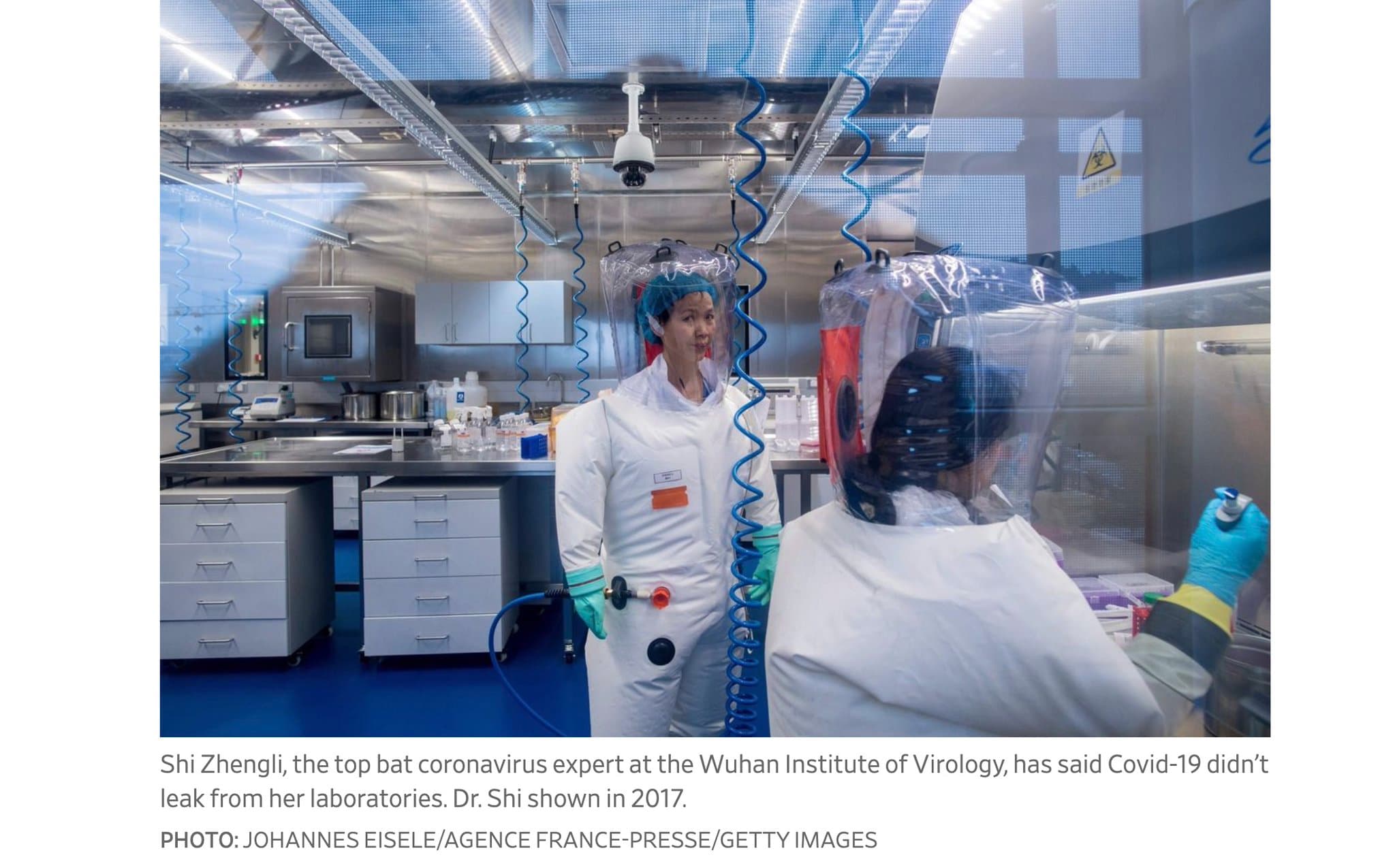
In May 2021, a U.S. intelligence report surfaced claiming that three researchers at the Wuhan Institute of Virology had sought hospital treatment in November 2019—weeks before China publicly acknowledged the existence of COVID-19. The timing alone made headlines. What happened next revealed a pattern familiar to anyone tracking claims that institutions initially dismiss before evidence forces reconsideration.
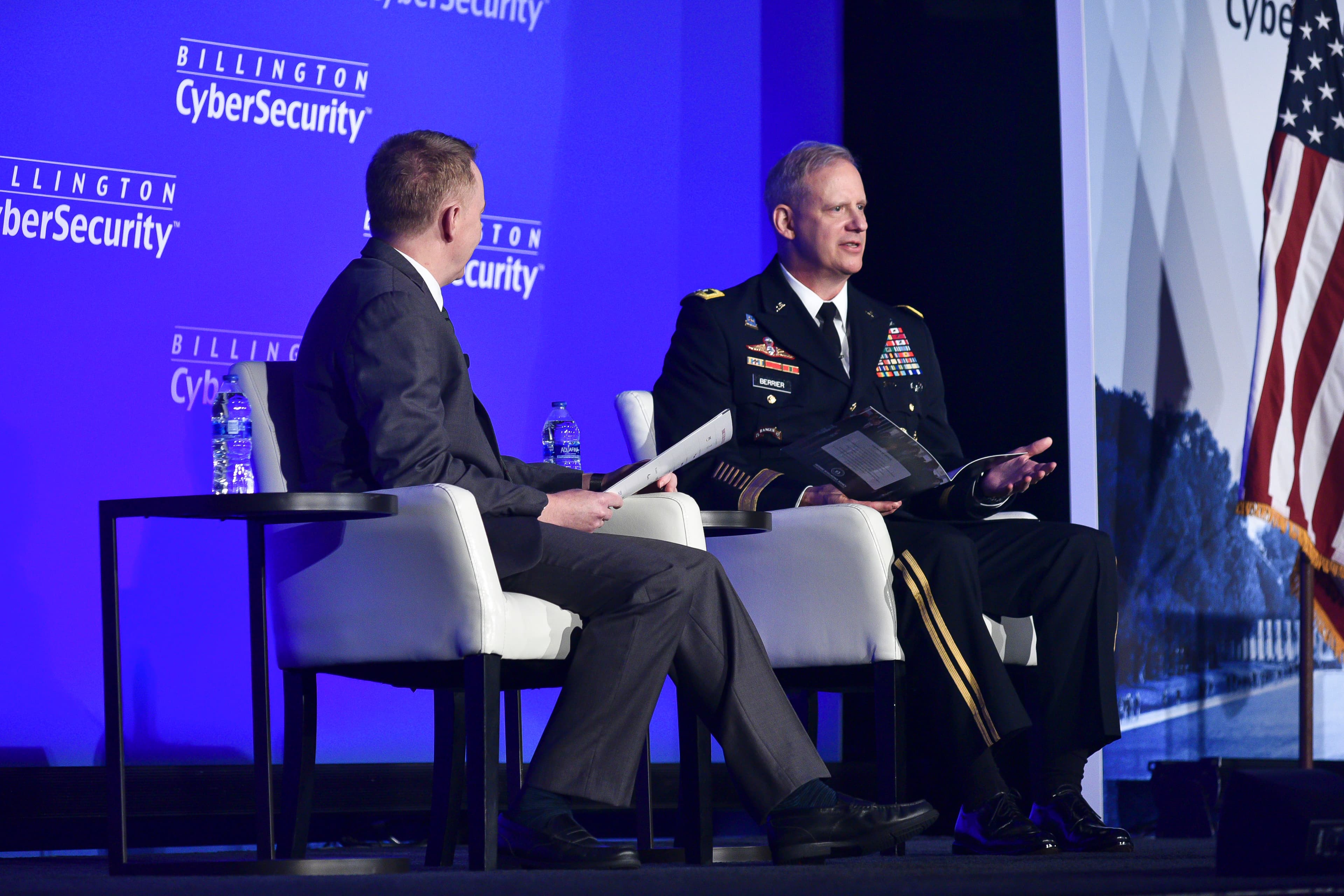
The claim emerged from the U.S. intelligence community, which described the information as possessing "exquisite quality." According to the report, these three WIV researchers experienced symptoms consistent with COVID-19 during that November 2019 window, before any official outbreak announcement. The implication was straightforward: if true, this timing would suggest the virus may have emerged from the lab earlier than previously understood, potentially through a workplace accident rather than natural spillover from animals.
Beijing's response was swift and categorical. The Wuhan Institute of Virology flatly denied the allegation, calling it a "complete lie." Chinese officials characterize any suggestion of a lab connection as baseless anti-China sentiment designed to undermine the country's reputation. This denial was echoed through state media channels, which framed the entire investigation as politically motivated rather than scientific.
What made this claim notable wasn't the denial itself—institutions routinely deny unflattering information. Rather, it was that U.S. intelligence agencies, including the CIA, subsequently acknowledged the claim had merit worth serious consideration. In their official assessment, the CIA stated that a lab leak origin was "more likely" than the naturally occurring theory, though they qualified this with "low confidence." This represented a significant shift from earlier positions dismissing lab leak scenarios as conspiracy theories.
Get the 5 biggest receipts every week, straight to your inbox — plus an exclusive PDF: The Top 10 Conspiracy Theories Proven True in 2025-2026. No spam. No agenda. Just the papers they couldn't hide.
You just read "3 WIV researchers hospitalized Nov 2019 - before China ackno…". We send ones like this every week.
No one's said anything yet. Be the first to drop your take.
Source: 3 WIV researchers hospitalized Nov 2019 - before China acknowledged outbreak
The "partially verified" status reflects the current reality: we have documented intelligence suggesting the hospitalization occurred, but independent verification of the specific November 2019 dates and symptoms remains elusive. China has not provided hospital records, and the researchers have not publicly commented. The WIV has remained inaccessible to independent international inspectors seeking to investigate the origins question comprehensively.
What matters here is the pattern, not just this single incident. For two years, discussing a possible lab connection was treated as fringe thinking by major institutions, media outlets, and social media platforms. Credible scientists who entertained the hypothesis faced professional consequences. The intelligence report didn't prove the lab leak conclusively, but it did validate that serious people with access to classified information considered it plausible enough to include in official assessments.
This case demonstrates why tracking initially-dismissed claims matters for public trust. Institutions that reflexively deny uncomfortable information, then quietly adjust positions when evidence accumulates, erode their credibility. Whether or not the Wuhan researchers were actually hospitalized in November 2019 remains an open question. But the fact that U.S. intelligence took the claim seriously enough to investigate, and that official assessments shifted accordingly, suggests that dismissing such claims outright was premature.
The lesson isn't that every conspiracy theory deserves equal credibility. Rather, it's that institutional certainty about matters of genuine uncertainty damages public confidence more than acknowledging what we actually know and don't know.
Beat the odds
This had a 0.6% chance of leaking — someone talked anyway.
Conspirators
~300Network
Secret kept
5 years
Time to 95% exposure
500+ years