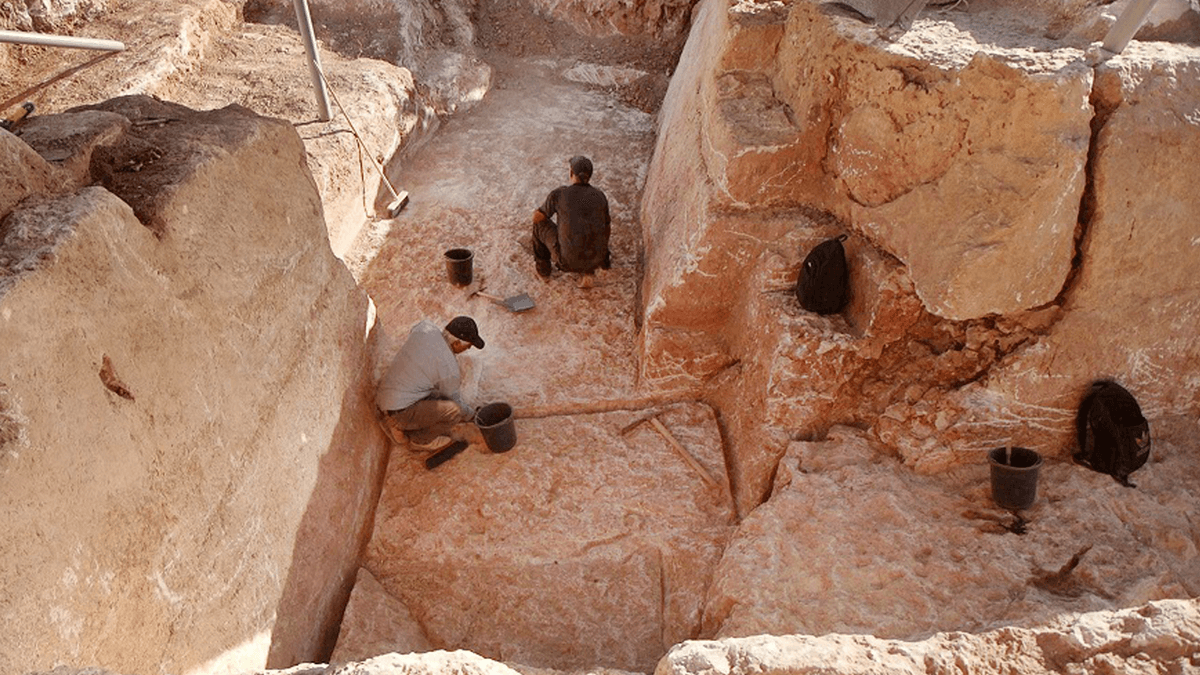
Archaeologists found 70-90 infant remains inside an underground cistern at Tel Azekah, Israel. The remains date back 2,500 years. Reported by Haaretz, raising questions about ancient child sacrifice practices in the region.
“Archaeologists found 70-90 infant remains inside an underground cistern at Tel Azekah, Israel. The remains date back 2,500 years. Reported by Haaretz, raising questions about ancient child sacrifice practices in the region.”
Archaeologists at Tel Azekah in Israel discovered what nobody expected: up to 90 infant and very young child remains buried in an underground water cistern. The remains are approximately 2,500 years old. Haaretz reported the discovery, and the implications are deeply unsettling.
The remains were found inside an old underground cistern — a water storage pit. Between 70 and 90 infants and very young children were identified. The bodies weren't buried in a cemetery or memorial site. They were placed in a pit designed to hold water, underground, hidden from view.
The dating places the remains around 500 BCE — the period of the Babylonian captivity and the return to Judea. This was a turbulent era in the region's history, and the discovery raises questions that scholars have debated for centuries about practices in the ancient Levant.
Infant mortality was high in the ancient world, but mass graves of exclusively infants in a concealed underground location don't match normal burial practices from any known culture in the region during this period. The cistern location suggests concealment — these remains were hidden, not memorialized.
The discovery hit r/conspiracy with 3,793 upvotes because it touches on one of the most sensitive historical claims: that child sacrifice existed in the ancient Levant. The archaeological evidence doesn't prove motive, but 90 infants in a hidden underground pit demands an explanation that "natural causes" can't easily provide.
Get the 5 biggest receipts every week, straight to your inbox — plus an exclusive PDF: The Top 10 Conspiracy Theories Proven True in 2025-2026. No spam. No agenda. Just the papers they couldn't hide.
You just read "Archaeologists uncover a 2,500-year-old mass grave of up to …". We send ones like this every week.
No one's said anything yet. Be the first to drop your take.
Beat the odds
This had a 0.2% chance of leaking — someone talked anyway.
Conspirators
~200Network
Secret kept
2.4 years
Time to 95% exposure
500+ years