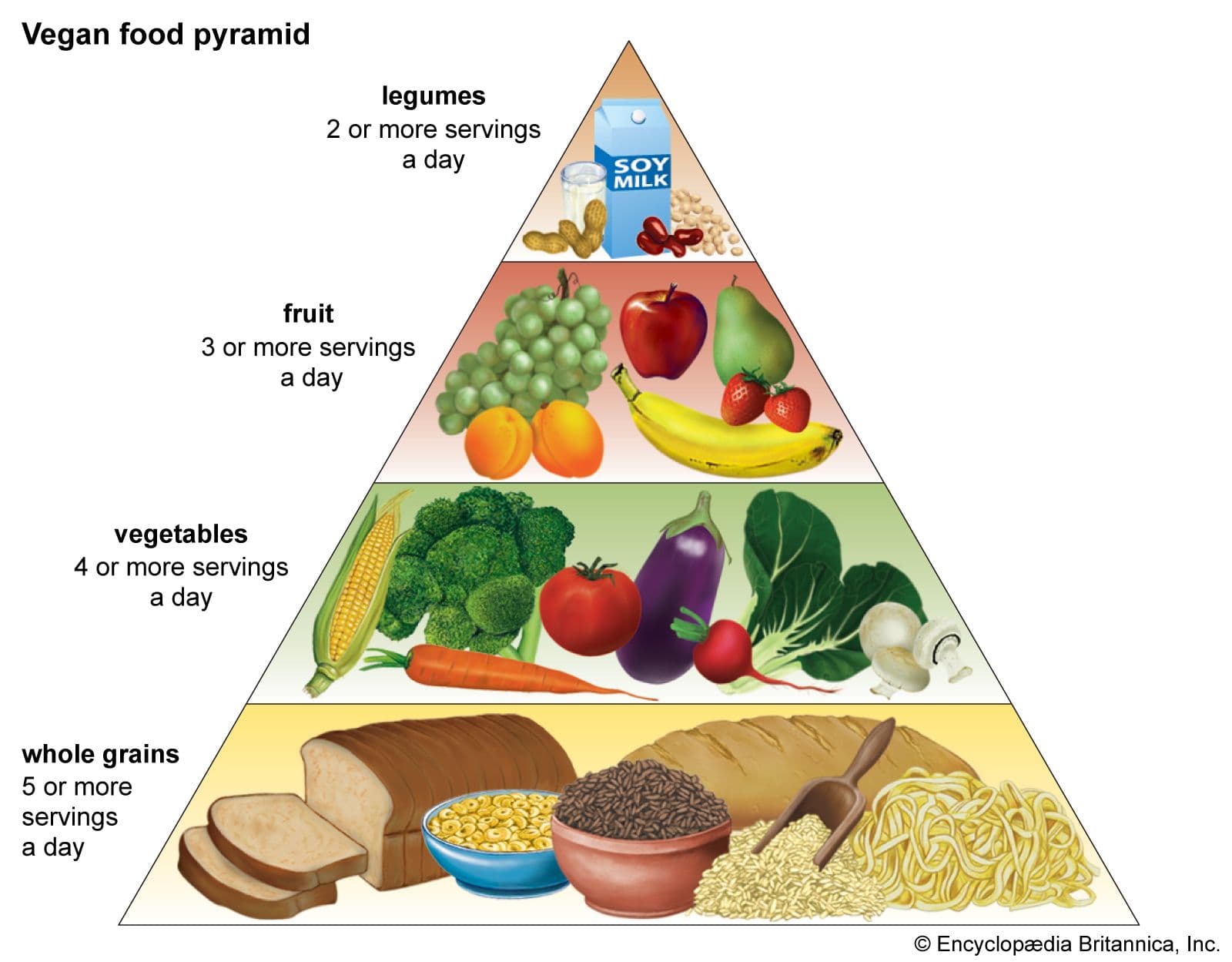
In 1991, the USDA halted publication of its Eating Right Pyramid after meat and dairy lobby objections. When released a year later, the graphic was altered to appease industry. Federal dietary advice evolved from 'decrease consumption of meat' (1977) to 'have two or three daily servings' under industry pressure. Dairy wasn't originally on the pyramid until lobbyists intervened. In 2015, 255 clients lobbied the USDA on dietary guidelines including Coca-Cola ($8.67M), dairy ($7.12M), and meat ($4.58M).
“The food pyramid isn't based on science — it's based on which industry lobby spent the most money. Meat and dairy groups literally rewrote the government's nutrition advice.”
From “crazy” to confirmed
The Claim Is Made
This is the moment they called it crazy.
For decades, Americans trusted the USDA's dietary guidance as science-based nutrition advice. What many didn't know was that the pyramid sitting in their kitchens had been substantially rewritten by the very industries it was supposed to regulate.
In the late 1970s, the USDA issued straightforward dietary recommendations that told Americans to "decrease consumption of meat." It was clear, direct advice rooted in emerging nutritional science. But by 1991, when the agency attempted to publish its first visual representation of these guidelines—the Eating Right Pyramid—the document never saw the light of day. The pyramid was ready. The science was ready. But something stopped its release.
What happened in that missing year reveals how dietary guidance gets constructed behind closed doors. The meat and dairy industries objected to the pyramid's structure. Rather than defend the science, the USDA shelved the project entirely. When the pyramid finally emerged in 1992, it had been fundamentally altered. The clear message about eating less meat had been softened to vague language about "two or three servings" of beef and pork. Dairy, which wasn't originally part of the pyramid's foundation, had been added as a major food group only after intensive lobbying.
For years, this looked like a reasonable policy disagreement about how to present nutrition information. The USDA maintained that its revisions reflected scientific consensus and practical dietary advice. Critics who questioned the changes were dismissed as cynics seeing conspiracies where none existed. There was no smoking gun, no leaked memo—just a missing year and a revised graphic.
The evidence emerged gradually, pieced together by nutrition researchers like Marion Nestle, a professor of nutrition and public health. Her investigations documented the timeline of industry pressure, the specific language changes, and the pattern of accommodation. TIME's reporting on lobbying and dietary guidelines added another layer of documentation. But the most damning evidence came from the numbers themselves.
Get the 5 biggest receipts every week, straight to your inbox — plus an exclusive PDF: The Top 10 Conspiracy Theories Proven True in 2025-2026. No spam. No agenda. Just the papers they couldn't hide.
You just read "The USDA food pyramid was shaped by meat, dairy, and food in…". We send ones like this every week.
No one's said anything yet. Be the first to drop your take.
Confirmed: They Were Right
The truth comes out. Officially documented.
Confirmed: They Were Right
The truth comes out. Officially documented.
In 2015, the USDA released records showing that 255 clients had lobbied the agency specifically regarding dietary guidelines. Coca-Cola spent $8.67 million on such efforts. Dairy industry groups collectively spent $7.12 million. Meat industry associations spent $4.58 million. These weren't peripheral players offering suggestions—these were organized campaigns by industries with billions of dollars in annual sales at stake.
The claim that the food pyramid had been shaped by lobbying wasn't cynicism or conspiracy thinking. It was documented lobbying, with public disclosures and budget figures attached. The only question remaining was whether Americans had a right to know this history when they made dietary choices.
What matters now is that the pyramid's story illustrates a broader problem. When we receive dietary guidelines, we're not getting pure science presented through neutral channels. We're getting science filtered through industry preferences, political feasibility, and lobbying budgets. Public trust in health institutions depends on understanding this dynamic. Citizens deserve to know whether the advice they're following was shaped by evidence or by financial interests. The food pyramid's hidden year was never a secret—it was just documented evidence no one was required to tell us about.
Beat the odds
This had a 1.8% chance of leaking — someone talked anyway.
Conspirators
~200Network
Secret kept
23 years
Time to 95% exposure
500+ years