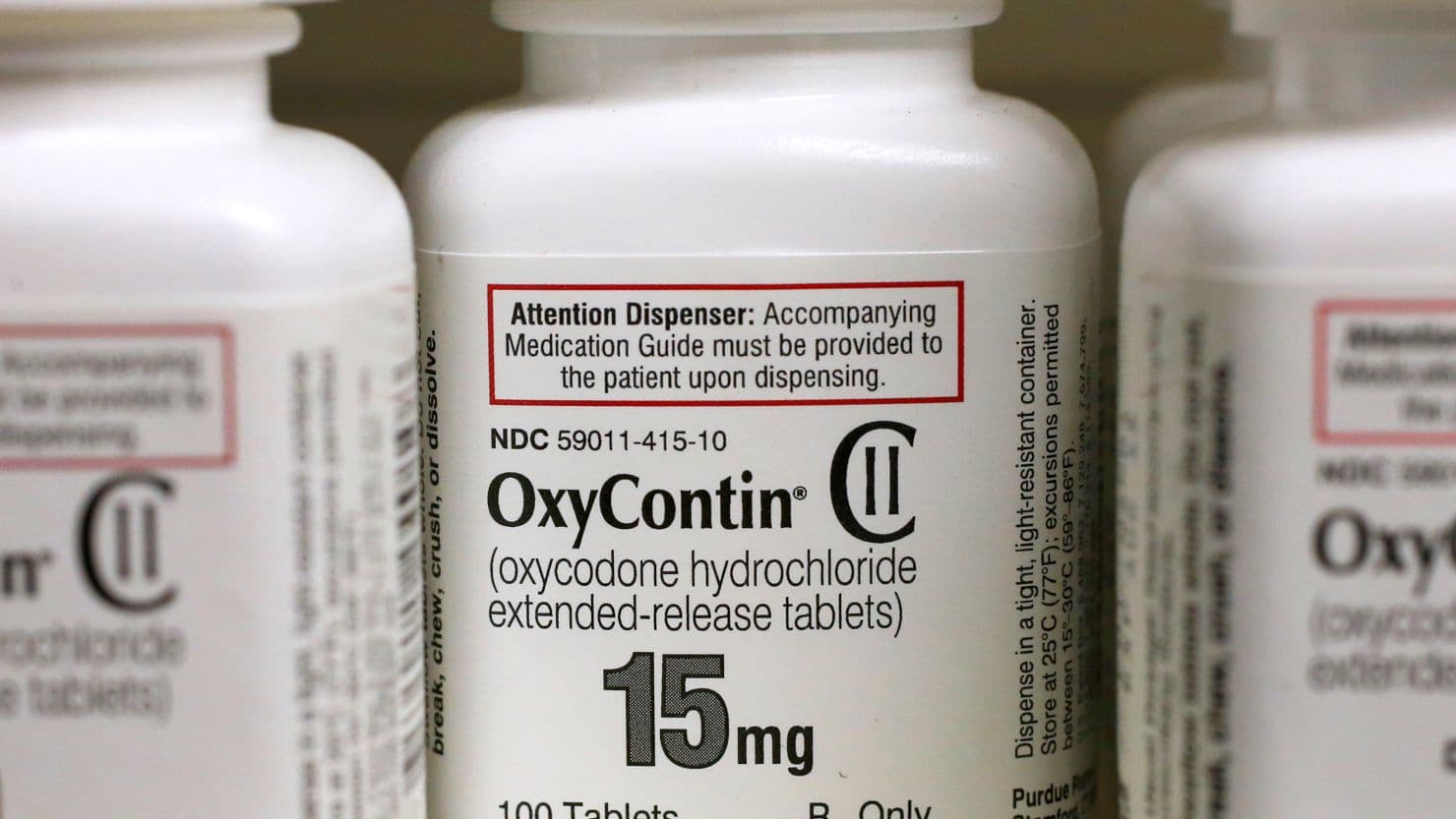
Internal Purdue documents showed executives knew OxyContin caused addiction and overdoses while marketing it to doctors as having low abuse potential.
“OxyContin has a low potential for abuse when used as prescribed”
From “crazy” to confirmed
The Claim Is Made
This is the moment they called it crazy.
In the 1990s, Purdue Pharma released OxyContin with a promise that seemed almost too good to be true: a powerful painkiller that would relieve suffering without the addiction risk of older opioids. Doctors embraced it. Patients sought it out. The company's sales force fanned across America's medical offices with a simple message: this drug was safe. Within a decade, it became clear that message was a lie.
The claim that Purdue Pharma knowingly misrepresented OxyContin's addiction potential wasn't initially taken seriously by everyone. When addiction rates spiked in the early 2000s, the company maintained its public position: improper use by patients was the problem, not the drug itself. They suggested that people became addicted because they weren't following directions, because they were drug-seekers, because they had addictive personalities. The official narrative blamed the users, not the product.
But documents revealed through litigation told a different story. Internal Purdue communications showed that executives and researchers understood OxyContin's dangers long before the public did. Company scientists had data demonstrating the drug's high addiction potential. Sales representatives were trained to downplay these risks to doctors. Marketing materials minimized addiction concerns while exaggerating pain relief benefits. The company even paid doctors to give talks promoting OxyContin to their peers, knowing full well what the internal research showed.
A particularly damning detail emerged from court filings: Purdue's own medical affairs department had flagged addiction concerns years before the company faced public scrutiny. Yet these warnings never made it into the marketing materials that physicians received. Instead, the company's messaging stuck to claims about low abuse potential—claims they knew were contradicted by their own research.
Get the 5 biggest receipts every week, straight to your inbox — plus an exclusive PDF: The Top 10 Conspiracy Theories Proven True in 2025-2026. No spam. No agenda. Just the papers they couldn't hide.
You just read "Purdue Pharma knew OxyContin was highly addictive but market…". We send ones like this every week.
No one's said anything yet. Be the first to drop your take.
By the time litigation forced these documents into the public record, the damage was staggering. OxyContin had fueled one of America's worst public health crises. Hundreds of thousands had become addicted. Tens of thousands had overdosed and died. Families were destroyed. Communities were devastated. And it happened while a major pharmaceutical company withheld information they possessed about the true risks.
In 2007, Purdue Pharma pleaded guilty to federal charges of misbranding OxyContin, acknowledging they had deliberately misrepresented the drug. Three executives received prison sentences. The company paid hundreds of millions in settlements, though many argued the penalties were insufficient compared to the profits they'd made and the lives lost.
This case matters for reasons that extend far beyond one company's conduct. It revealed how corporate interests can override public health, how information asymmetry can be weaponized, and how institutions fail to protect people when profits are at stake. Doctors who prescribed OxyContin in good faith had been deliberately misled by a company they trusted. Patients who became addicted often blamed themselves, unaware they'd been given misleading information from the start.
The OxyContin case tested public trust in pharmaceutical companies, the FDA's oversight of marketing claims, and the medical profession's relationship with industry. These institutions have work to do. What happened wasn't a misunderstanding or a difference of opinion about science. Purdue Pharma knew. They sold the drug anyway. And people paid the price.
Beat the odds
This had a 1.5% chance of leaking — someone talked anyway.
Conspirators
~200Network
Secret kept
19 years
Time to 95% exposure
500+ years