Internal 3M studies from 1976 showed PFAS chemicals persisted in human blood and environment, but company hid findings while expanding production.
“PFAS chemicals break down naturally and pose no long-term health risks”
From “crazy” to confirmed
The Claim Is Made
This is the moment they called it crazy.
When 3M Company discovered that PFAS chemicals—the ingredients that made their products water and stain-resistant—were accumulating in human blood, they had a choice. They could warn the public. They could stop production. Instead, internal documents show they kept quiet and kept manufacturing.
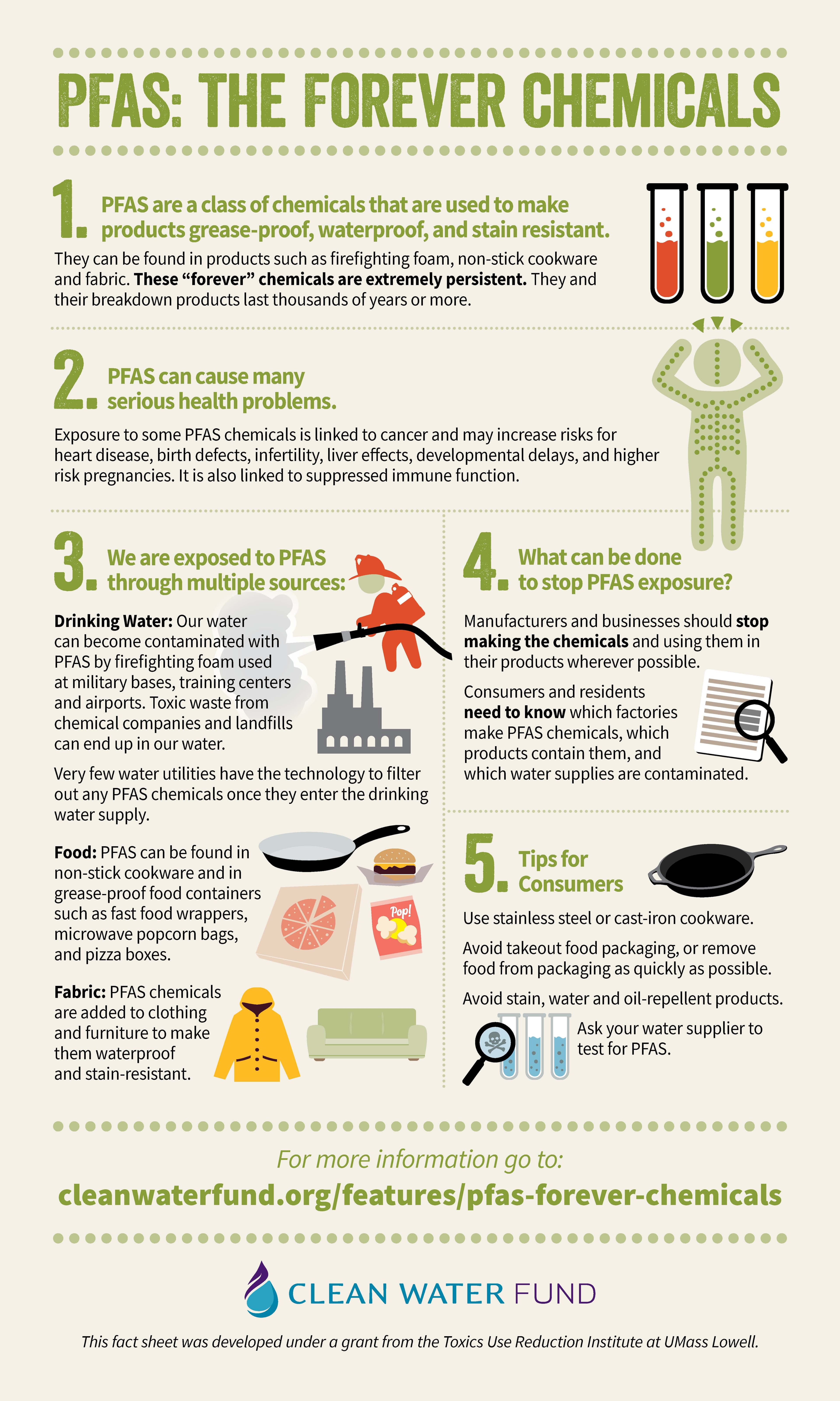
PFAS, known as "forever chemicals" because they don't break down in the environment or human body, became ubiquitous in everyday products throughout the 1970s and beyond. They were in non-stick cookware, food packaging, textiles, and firefighting foam used at airports and military bases. The convenience was real. The problem was hidden.
In 1976, 3M's own research revealed what many suspected today: these chemicals persisted in human blood indefinitely. The company had the data. They understood the implications. Yet they continued expanding production and marketing while the chemical accumulated in the bodies of millions of Americans who had no idea they were being exposed.
For decades, 3M and other manufacturers maintained that PFAS posed no significant health risk. When environmental scientists began raising concerns in the 1990s and 2000s, industry representatives dismissed the research as preliminary or speculative. The company's public position suggested that concerns were overblown, that more study was needed, that the benefits outweighed the risks.
The evidence emerged gradually, then all at once. Government agencies began testing drinking water supplies and found widespread contamination. Independent researchers documented in the blood of 97 percent of Americans. Studies linked the chemicals to kidney cancer, testicular cancer, thyroid disease, and immune system problems. Litigation revealed the internal 3M documents from the 1970s—the smoking gun proving the company knew.
Get the 5 biggest receipts every week, straight to your inbox — plus an exclusive PDF: The Top 10 Conspiracy Theories Proven True in 2025-2026. No spam. No agenda. Just the papers they couldn't hide.
You just read "3M executives knew PFAS Forever Chemicals accumulated in hum…". We send ones like this every week.
No one's said anything yet. Be the first to drop your take.
Between 2021 and 2023, 3M agreed to settlements totaling over $10 billion related to PFAS contamination of water supplies and military sites. The company acknowledged responsibility without admitting wrongdoing, a legal maneuver that satisfied regulators but rang hollow to affected communities. The settlement was large by any standard, yet it represented merely the cost of doing business for a corporation with $35 billion in annual revenue.
What makes this case significant isn't just that 3M knew and stayed silent. It's the systematic way the company protected its interests while a chemical accumulated in human bodies across generations. A child born in 1980 grew up with PFAS in their bloodstream. Their children likely have it too. The long-term health consequences remain incompletely understood.
This matters because it illustrates a pattern seen repeatedly in corporate history: the gap between what companies know internally and what they tell the public. When profits depend on continued production, institutional incentives favor silence. Regulatory agencies often lack resources to catch what companies conceal. By the time truth emerges, damage is done.
The PFAS case forces a question about trust and accountability. 3M's settlement addressed the symptom—contaminated water—but not the root problem: a business model that externalizes risks onto the public. Until corporate accountability systems change, there will likely be another forever chemical, another hidden risk, another settlement arriving years too late for those already affected.
The claim that 3M knew? It was never conspiracy. It was just business as usual.
Beat the odds
This had a 2% chance of leaking — someone talked anyway.
Conspirators
~200Network
Secret kept
25.1 years
Time to 95% exposure
500+ years