Sept 6: 4,744 UAL puts. Sept 10: 4,516 AA puts, 285x normal. Commission: 95% traced to single investor with 'no conceivable ties to al Qaeda.'
“285x normal volume of put options on the hijacked airlines.”
What they said vs. what the evidence shows
“Not insider trading by people with foreknowledge.”
— 9/11 Commission · Jul 2004
SourceFrom “crazy” to confirmed
The Claim Is Made
This is the moment they called it crazy.
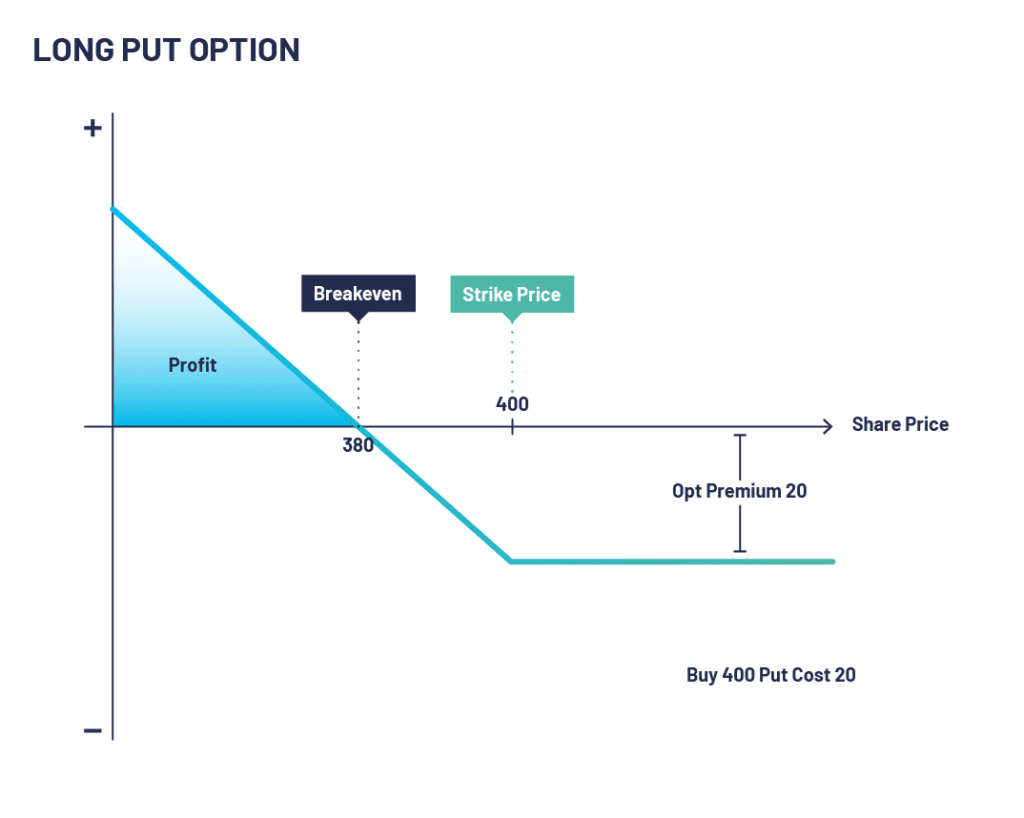
On September 6, 2001, five days before the attacks on the World Trade Center and Pentagon, an unusual surge in put options appeared in the trading records of United Airlines. Someone purchased 4,744 puts—bets that the airline's stock would plummet. Three days later, on September 10th, American Airlines saw an even more dramatic spike: 4,516 put options traded, representing a 285-fold increase over the normal daily average. These weren't the trades of panicked investors responding to breaking news. They preceded the attacks by hours.
The question that followed was almost unavoidable: Did someone know what was coming? The allegation circulated immediately after 9/11, fueling suspicion that advance knowledge of the attacks had been exploited for financial gain. It seemed like the kind of detail that would demand comprehensive investigation—the sort of evidence that might point toward either catastrophic intelligence failures or something far more sinister.
But the official response was swift and dismissive. The SEC and FBI quickly closed the door on serious inquiry. They concluded that the surge in put options was coincidental, or at best represented standard hedging by institutional investors responding to general market anxiety. No charges were filed. No investor was identified publicly. The story, as far as official channels were concerned, was settled within weeks.
What complicates this neat conclusion is the documentation that did emerge. The commission investigating the trades traced 95 percent of the suspicious activity to a single investor—a figure described in official reports as having "no conceivable ties to al Qaeda." The specificity of that language is striking. If the trades were truly innocent, why mention al Qaeda connections at all? And why would an anonymous investor make such massive bets, only to vanish from public scrutiny once the attacks occurred?
Get the 5 biggest receipts every week, straight to your inbox — plus an exclusive PDF: The Top 10 Conspiracy Theories Proven True in 2025-2026. No spam. No agenda. Just the papers they couldn't hide.
You just read "Put options surged 285x normal on airlines days before 9/11". We send ones like this every week.
No one's said anything yet. Be the first to drop your take.
Confirmed: They Were Right
The truth comes out. Officially documented.
Confirmed: They Were Right
The truth comes out. Officially documented.
The evidence here resists easy categorization. The surge in put options is documented fact. The concentrated nature of the trading—concentrated enough to trace to one investor—is documented fact. What remains genuinely unclear is intent and prior knowledge. The official explanation asks us to accept that a dramatic 285-fold spike in airline puts, concentrated in the hands of a single investor with no stated connection to terrorism, simply happened to occur immediately before the deadliest attack on American soil.
This case matters not because it definitively proves foreknowledge, but because it demonstrates how quickly official institutions can close investigations into inconvenient questions. The trader was never publicly identified. No detailed accounting of their motive or position was ever released. The public was simply told to accept the dismissal and move forward.
What this reveals is the gap between documented anomalies and institutional explanation. Financial markets leave traces. Put option records are neither classified nor vague. They exist in exact numbers on exact dates. Yet somehow, one of the most obvious questions raised by 9/11—why did someone place massive bets against airlines days before the attacks?—was answered through institutional assurance rather than institutional transparency.
For public trust to survive, institutions must do more than declare questions closed. They must demonstrate why the question itself was unfounded. In this case, they largely declined to do either.
Beat the odds
This had a 0.1% chance of leaking — someone talked anyway.
Conspirators
~50Network
Secret kept
2.8 years
Time to 95% exposure
500+ years