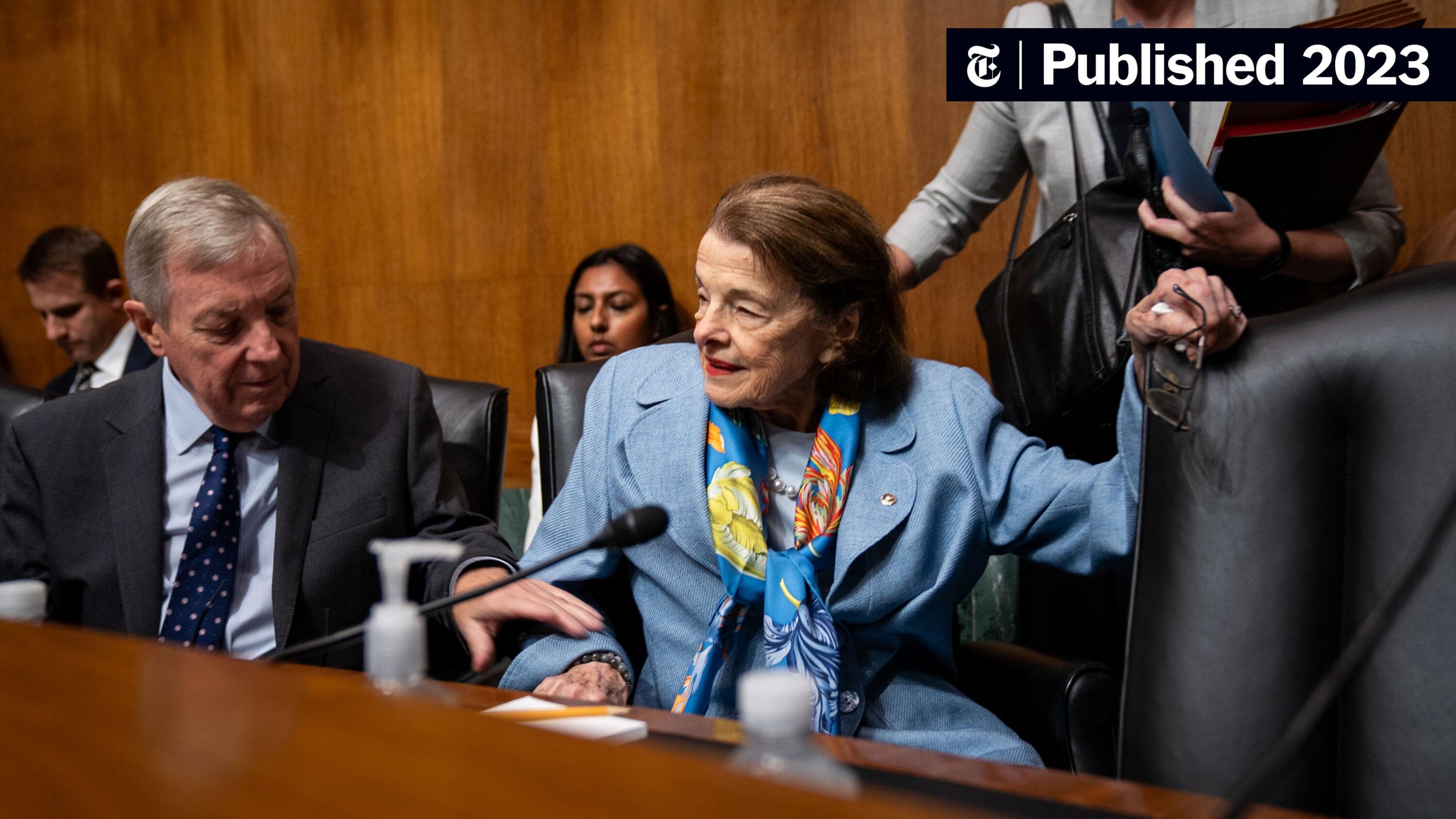
Blum sold $1.5M-$6M in Allogene Jan 31 and Feb 18, 2020. Feinstein: blind trust. DOJ dropped probe May 2020.
“Up to $6 MILLION during briefing period. DOJ dropped it.”
What they said vs. what the evidence shows
“Blind trust. No involvement.”
— Sen. Feinstein · Mar 2020
SourceFrom “crazy” to confirmed
The Claim Is Made
This is the moment they called it crazy.
In early 2020, as Senator Dianne Feinstein received classified briefings about the emerging COVID-19 threat, her husband Richard Blum sold between $1.5 million and $6 million worth of stock in Allogene Therapeutics, a biotech company. The timing raised immediate questions: did access to non-public information influence the trades?
When news of the sales first broke, Feinstein's office responded with a familiar shield. The Senator used a blind trust structure to manage her assets, her representatives explained, meaning she had no direct control over investment decisions. By this account, Blum's trading activity was entirely independent of any classified information Feinstein might have possessed. Case closed.
But blind trusts only work as a defense if they're actually blind. The documented facts suggest something more complicated. Blum made two significant sales of Allogene stock: one on January 31, 2020, and another on February 18, 2020. These dates matter. Feinstein, as a member of the Senate Intelligence Committee, was receiving classified briefings about COVID-19 throughout this exact period. Intelligence officials were warning select lawmakers about the virus's potential severity while the public remained largely unaware of the threat.
The stock sales themselves tell a revealing story. Allogene, a cell therapy company with no direct COVID connection, saw its share price decline sharply in the weeks following these transactions. If Blum had acted on general market intuition, the timing was remarkably prescient. If he had acted on information available to his wife through her official position, that would constitute a serious breach of ethics and potentially law.
The Department of Justice opened a probe into the matter but dropped it in May 2020 without explaining their reasoning or findings. No charges were filed. No formal investigation results were released. The silence itself became the story—not the exoneration that Feinstein's team implied, but rather an investigation that simply vanished.
Get the 5 biggest receipts every week, straight to your inbox — plus an exclusive PDF: The Top 10 Conspiracy Theories Proven True in 2025-2026. No spam. No agenda. Just the papers they couldn't hide.
You just read "Feinstein husband sold up to $6M biotech during COVID briefi…". We send ones like this every week.
No one's said anything yet. Be the first to drop your take.
Confirmed: They Were Right
The truth comes out. Officially documented.
Confirmed: They Were Right
The truth comes out. Officially documented.
What makes this case instructive isn't whether Feinstein deliberately passed information to her husband. It's what the episode reveals about the mechanisms designed to prevent exactly this kind of conflict. A blind trust administered by a spouse of a powerful senator who sits on the Intelligence Committee is arguably not blind at all. The person managing the trust lives with someone receiving the nation's most sensitive secrets.
This isn't unique to Feinstein. Dozens of lawmakers use similar structures while serving on committees with access to market-moving information. The blind trust has become a legal fiction that allows elected officials to claim distance from potential conflicts while maintaining the benefits of family wealth management.
The partially verified status of this claim reflects an uncomfortable truth: we may never know the full extent of what happened. The classified nature of the briefings means the public cannot verify exactly what information Feinstein possessed or when she possessed it. The dropped DOJ investigation means we have no official determination either way.
What we're left with are the dates, the trades, and the questions. And that's precisely why institutions designed to prevent insider trading must work better for the people who write our laws than they do for ordinary Americans.
Beat the odds
This had a 0% chance of leaking — someone talked anyway.
Conspirators
~50Network
Secret kept
0.5 years
Time to 95% exposure
500+ years