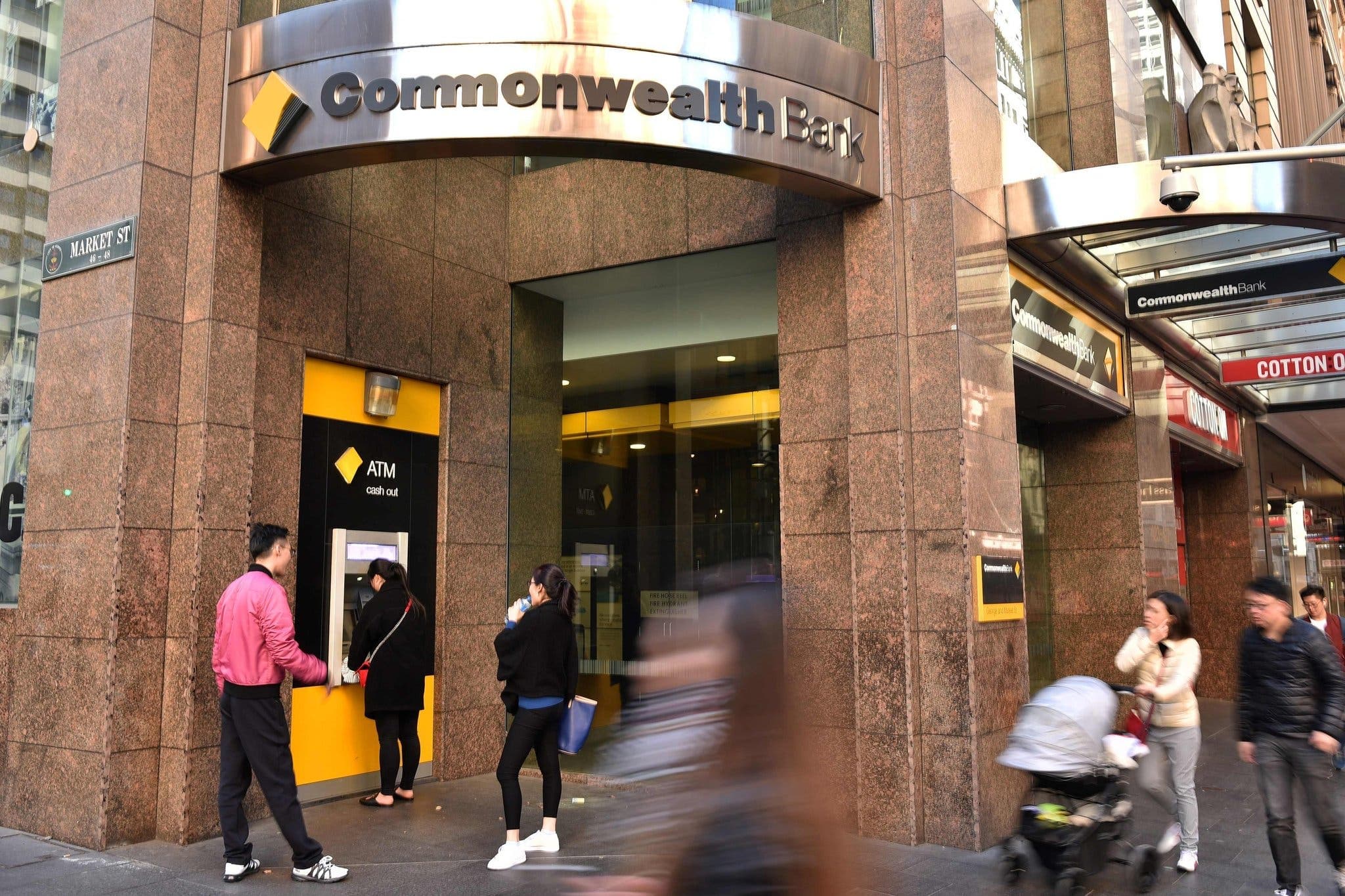
AUSTRAC investigation found CBA's systems failed to monitor deposits under $10,000 designed to avoid reporting. Money laundering and terrorism financing went undetected for years.
“Commonwealth Bank has robust systems to detect and report suspicious transactions as required by law”
From “crazy” to confirmed
The Claim Is Made
This is the moment they called it crazy.
Australia's largest bank didn't just miss a few suspicious transactions. Between 2012 and 2015, Commonwealth Bank processed over 53,000 transactions flagged as potentially connected to money laundering and terrorism financing—and its systems largely let them pass without proper scrutiny. What started as regulatory compliance questions evolved into one of Australia's most significant banking scandals, revealing how institutional negligence can shield criminal activity for years.
The original claim emerged from AUSTRAC, Australia's financial intelligence agency, which began investigating CBA's anti-money laundering practices around 2017. Regulators had noticed something troubling: the bank appeared to be missing obvious warning signs, particularly with deposits deliberately structured below the $10,000 threshold designed to avoid automatic reporting requirements. This practice, known as "structuring" or "smurfing," is a textbook money laundering tactic that every major bank should catch through standard compliance protocols.
Initially, CBA downplayed the findings. The bank acknowledged some isolated compliance issues but characterized them as technical glitches rather than systemic failures. The institution suggested that its systems were adequate and that any missed transactions represented edge cases rather than evidence of widespread regulatory breakdown. This response aligned with the bank's public image as a well-run operation that took compliance seriously.
The evidence that emerged told a different story entirely. AUSTRAC's investigation revealed that CBA's reporting systems had been configured to ignore transactions below $10,000, creating a massive blind spot. The bank's compliance teams knew this gap existed but failed to escalate the issue appropriately or implement fixes. Documents showed that despite multiple internal warnings dating back years, leadership didn't prioritize fixing the systems. Over 53,000 transactions went through without being properly reported to authorities during this five-year window.
Get the 5 biggest receipts every week, straight to your inbox — plus an exclusive PDF: The Top 10 Conspiracy Theories Proven True in 2025-2026. No spam. No agenda. Just the papers they couldn't hide.
You just read "Commonwealth Bank Laundered Money Through 53,000 Suspicious …". We send ones like this every week.
No one's said anything yet. Be the first to drop your take.
Some of these transactions were later traced to serious criminal activity. Investigators linked deposits to organized drug trafficking, international fraud schemes, and individuals with connections to terrorism financing. The fact that these transactions moved through one of Australia's major financial institutions undetected raised uncomfortable questions about what else might have slipped through unnoticed at other banks.
In 2019, CBA settled with regulators for $700 million in civil penalties—one of the largest compliance penalties in Australian history. The bank admitted to serious contraventions of anti-money laundering laws but avoided criminal charges. The CEO at the time, Ian Narev, eventually stepped down, though not immediately in connection with the scandal.
This case matters because it demonstrates how trust in institutional safeguards can be misplaced. Financial institutions are supposed to serve as a first line of defense against money laundering and terrorism financing. When a bank as large and prominent as CBA fails at this fundamental responsibility, it raises questions about the entire system. If compliance failures at the top of the banking hierarchy go unaddressed for years, what does that suggest about smaller institutions or less-scrutinized sectors?
More broadly, the Commonwealth Bank scandal illustrates why external oversight matters. AUSTRAC's investigation—not internal corporate governance—brought the truth to light. For a public that increasingly questions whether institutions are capable of policing themselves, this case provides hard evidence that sometimes they aren't.
See also: [How the 'Big Three' Control the S&P 500](/blog/big-three-shareholders-sp500-blackrock-vanguard-state-street) — our deeper breakdown of this topic.
Beat the odds
This had a 0.2% chance of leaking — someone talked anyway.
Conspirators
~50Network
Secret kept
8.9 years
Time to 95% exposure
500+ years