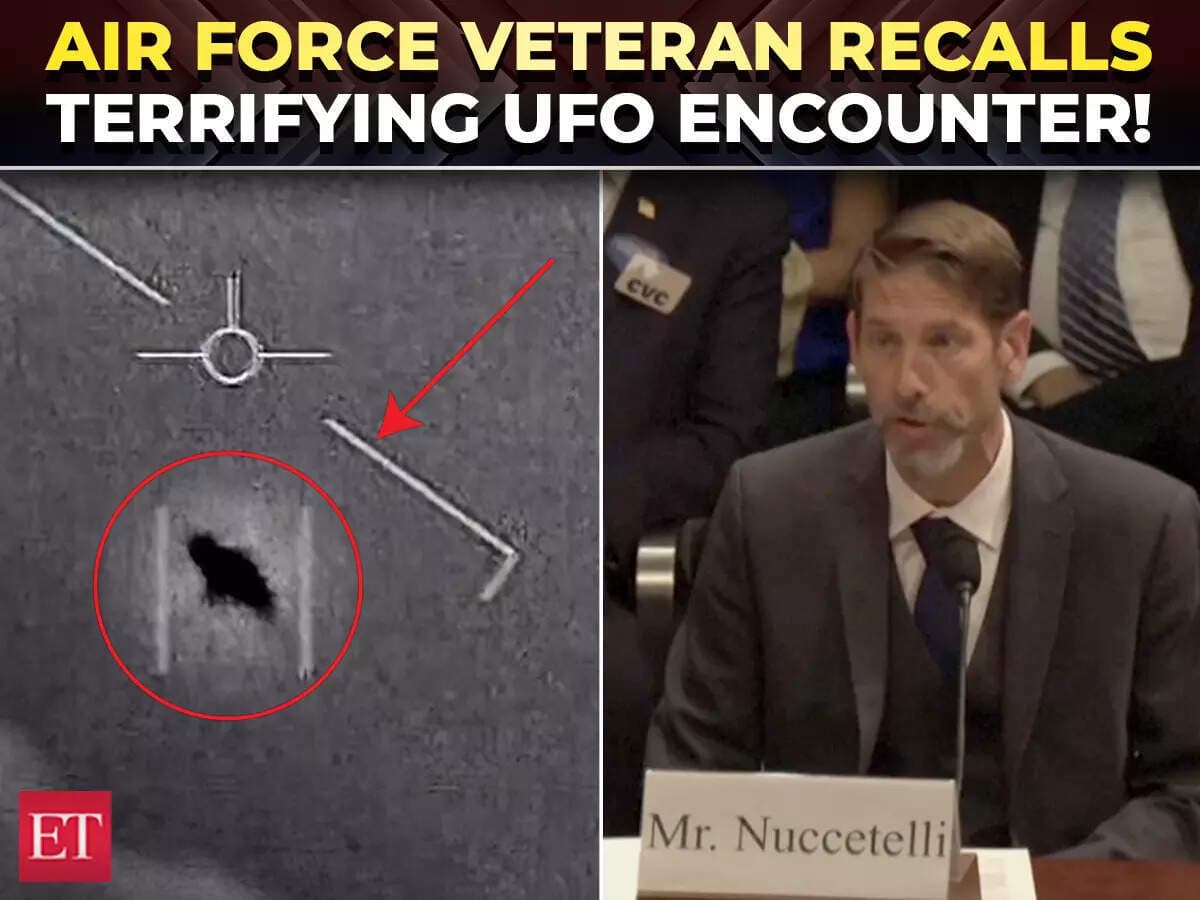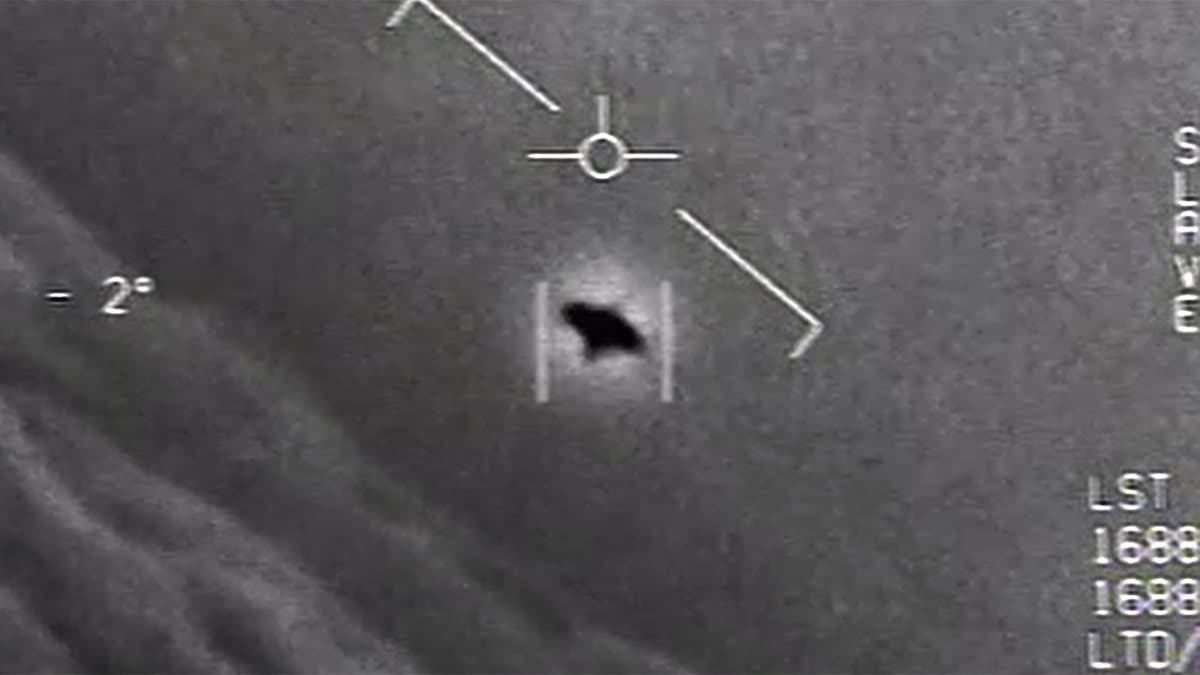
In March 2024, the All-domain Anomaly Resolution Office (AARO) released its Historical Record Report concluding there was no evidence of extraterrestrial technology, alien cover-ups, or reverse-engineering programs within the US government. However, the report was immediately controversial. Its former director, Dr. Sean Kirkpatrick, had resigned months earlier, citing interference from officials with 'conspiratorial leanings.' Critics noted AARO lacked subpoena power, was housed within the very Pentagon being investigated, and multiple whistleblowers said they were not interviewed. David Grusch stated AARO investigators never contacted him about his classified testimony. The report's credibility remains fiercely debated.
“AARO has not discovered any verifiable information to substantiate claims that any programs regarding the possession or reverse-engineering of extraterrestrial materials have existed in the past or exist currently.”
What they said vs. what the evidence shows
“AARO's investigation was compromised from the start. They lacked subpoena power, didn't interview key witnesses, and were investigating themselves. This report is a whitewash.”
— UAP whistleblowers & Congressional oversight · Mar 2024
SourceFrom “crazy” to confirmed
The Claim Is Made
This is the moment they called it crazy.
When a government office tasked with investigating unexplained phenomena publishes a report concluding nothing unusual exists, that conclusion typically closes the conversation. But in March 2024, the All-domain Anomaly Resolution Office published its Historical Record Report with findings that would normally settle the matter—no extraterrestrial technology, no alien cover-ups, no reverse-engineering programs. Instead, the report became the beginning of a different story, one about institutional credibility and what happens when investigators are constrained by the very system they're investigating.
The AARO report arrived at a moment when UFO transparency had gained unusual political legitimacy. Declassified materials, congressional hearings, and credible whistleblowers had pushed the topic beyond fringe discussion into legitimate government scrutiny. The report's definitive conclusion seemed designed to close this chapter: after reviewing historical records, AARO found no evidence supporting decades of rumors about recovered alien craft or secret government programs.
But almost immediately, cracks appeared in the official narrative. Dr. Sean Kirkpatrick, AARO's own director, had already resigned months before the report's release. His departure wasn't routine. Kirkpatrick explicitly cited interference from officials with "conspiratorial leanings"—a loaded phrase suggesting he'd encountered obstruction from within the investigation itself. He didn't simply move on to another position; his resignation carried an implicit message that something was wrong with how the investigation was being conducted.
Get the 5 biggest receipts every week, straight to your inbox — plus an exclusive PDF: The Top 10 Conspiracy Theories Proven True in 2025-2026. No spam. No agenda. Just the papers they couldn't hide.
You just read "AARO's 2024 historical report found 'no evidence' of alien p…". We send ones like this every week.
No one's said anything yet. Be the first to drop your take.
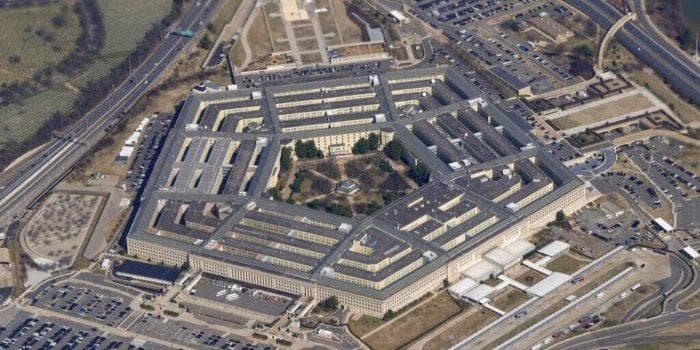
The credibility questions multiplied upon examination. AARO, it turned out, lacked subpoena power—meaning it couldn't compel testimony or documents from officials who didn't cooperate. More significantly, the office operated within the Pentagon, the very institution it was ostensibly investigating for potential hidden programs. This structural limitation meant AARO could only access what was voluntarily provided by a system that had institutional incentives to maintain secrecy.
The report's scope appeared narrow when compared to the testimony it claimed to address. David Grusch, a decorated intelligence officer whose classified briefing to Congress had catalyzed new scrutiny into UFO claims, stated directly that AARO investigators never contacted him. This wasn't a minor oversight—Grusch had made specific, detailed allegations under oath to congressional committees. If investigators genuinely sought historical evidence, why wouldn't they interview the person whose recent testimony had sparked the entire investigation?
Multiple other whistleblowers reported similar experiences: none were interviewed despite making serious claims about their direct experiences with anomalous objects or retrieval programs. The investigation appeared to proceed without engaging substantively with its primary witnesses.
What emerges isn't necessarily proof that aliens exist or that hidden programs operate within the Pentagon. Rather, it reveals something potentially more significant: the difficulty of conducting genuine internal investigation within hierarchical government structures. AARO's conclusion may be accurate. But its methodology—lacking enforcement power, housed within the suspect institution, bypassing key witnesses—makes it impossible to determine whether the conclusion reflects truth or institutional self-protection.
This matters because public trust depends on credible investigation. When a report designed to resolve public concern instead raises questions about the investigation itself, it achieves the opposite effect. Citizens can reasonably ask whether a conclusive finding is trustworthy when the investigation that produced it faced structural obstacles and skipped interviews with its primary witnesses. The real question isn't whether the government recovered aliens—it's whether we can trust official processes designed to answer that question at all.
Beat the odds
This had a 0.4% chance of leaking — someone talked anyway.
Conspirators
~500Large op
Secret kept
2.2 years
Time to 95% exposure
500+ years