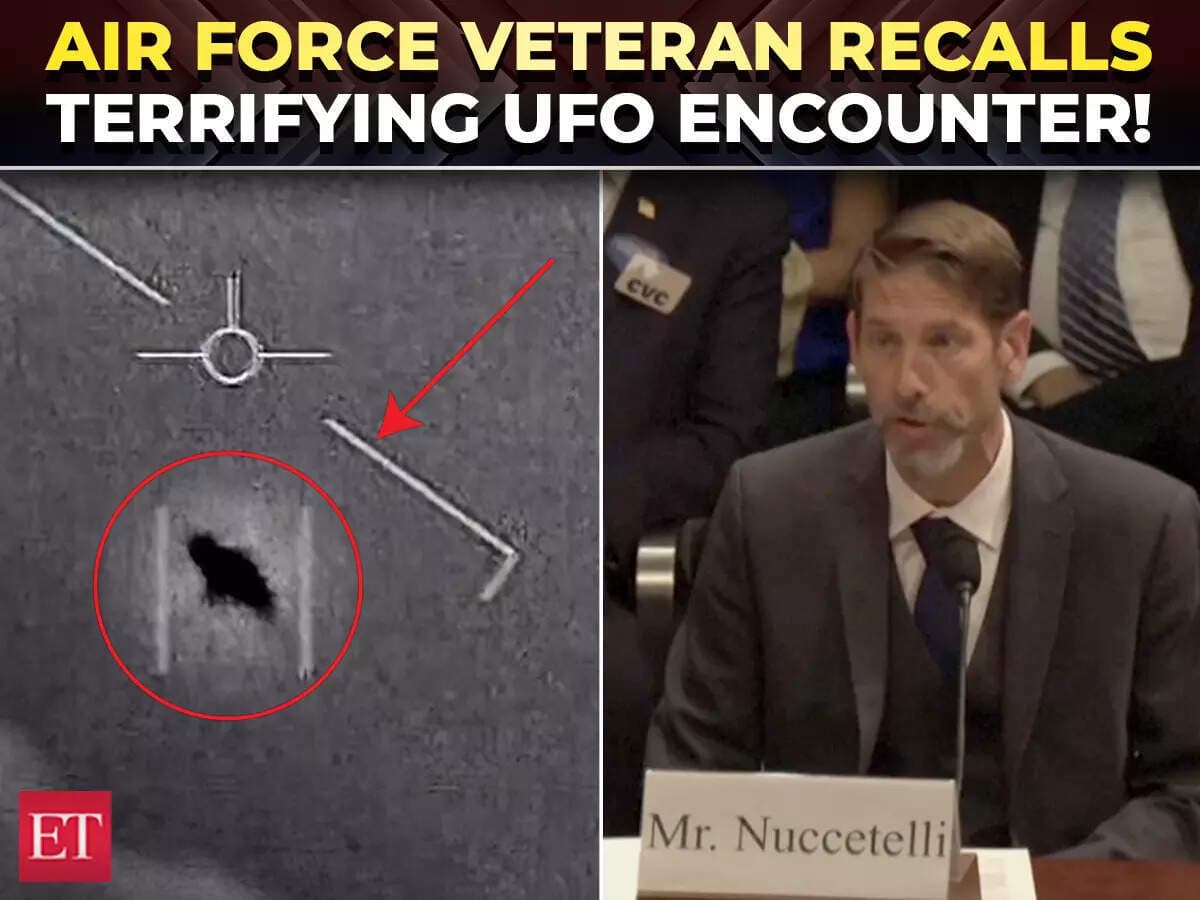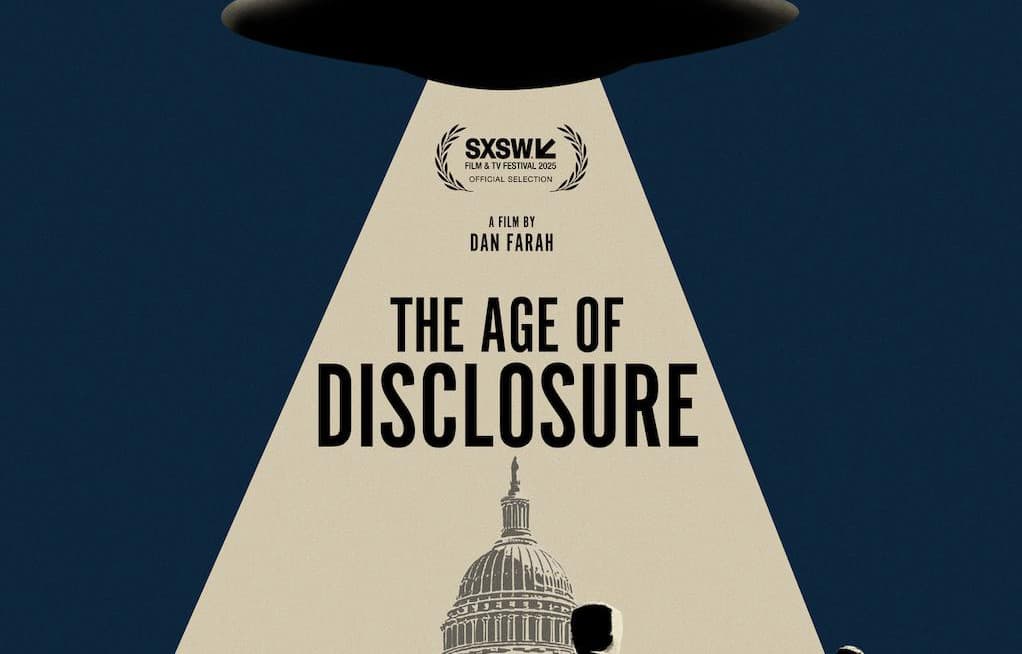
In March 2025, the documentary 'The Age of Disclosure' premiered at the SXSW film festival, featuring interviews with 34 military and intelligence veterans who claim direct knowledge of or experience with UAPs. The film presents firsthand testimony from individuals across multiple branches of the military and intelligence community, building on the momentum of Congressional hearings and whistleblower disclosures. Former AARO director Dr. Sean Kirkpatrick, who resigned from his position, characterized the claims as driven by 'persistent conspiratorial leanings held by people at the highest levels of government.' The documentary's premiere drew significant media attention and reignited public debate about government transparency on UAPs.
“This film represents the collective testimony of 34 military and intelligence veterans with direct knowledge of UAP phenomena. Their stories can no longer be ignored.”
What they said vs. what the evidence shows
“Nothing is proven, and thus nothing can be refuted. These claims reflect persistent conspiratorial leanings, despite concrete contradictory evidence from official investigations.”
— Dr. Sean Kirkpatrick (Former AARO Director) · Mar 2025
SourceFrom “crazy” to confirmed
The Claim Is Made
This is the moment they called it crazy.
When 34 military and intelligence veterans walked into a premiere screening at South by Southwest in March 2025, they carried with them decades of accumulated experience across the highest levels of government. The documentary "The Age of Disclosure" presented their firsthand accounts of encounters with unidentified aerial phenomena—what the military now officially calls UAPs—in direct contradiction to the decades-long official position that there was nothing to see.
The claim itself wasn't entirely new. For years, former military pilots, intelligence officers, and defense officials had come forward with fragmented testimonies about UAP encounters. What made this documentary significant was the concentration of credible witnesses and the timing: it arrived on the heels of Congressional hearings that had finally given these accounts a legitimate platform. The film synthesized what individual whistleblowers had been saying separately into a coordinated narrative about systematic government knowledge and concealment.
The government's response came quickly and characteristically dismissive. Dr. Sean Kirkpatrick, who had served as director of the Pentagon's All-domain Anomaly Resolution Office—the government's official UAP investigation arm—publicly attributed the claims to "persistent conspiratorial leanings held by people at the highest levels of government." Kirkpatrick's statement was notable not for what it said, but for what it revealed: the Pentagon's chief UAP official was essentially accusing his own government colleagues of conspiratorial thinking rather than engaging with the substance of their claims.
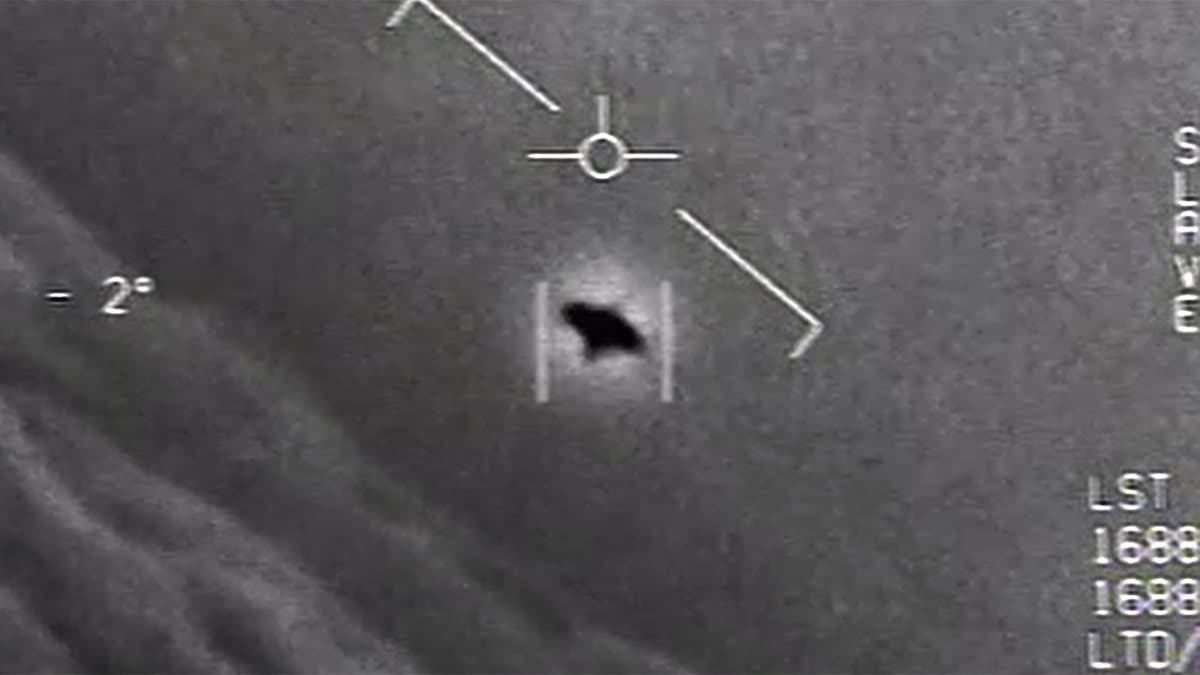
What validates this claim—or at least puts it firmly in the "not debunked" category—is the established credibility of the witnesses themselves. These weren't anonymous sources or conspiracy enthusiasts. The 34 included individuals with Top Secret clearances, combat experience, and institutional positions that required extraordinary vetting. Congressional records already documented previous testimony from similar witnesses describing structured encounters with objects exhibiting flight characteristics inconsistent with known technology.
Get the 5 biggest receipts every week, straight to your inbox — plus an exclusive PDF: The Top 10 Conspiracy Theories Proven True in 2025-2026. No spam. No agenda. Just the papers they couldn't hide.
You just read "SXSW documentary 'The Age of Disclosure' features 34 militar…". We send ones like this every week.
No one's said anything yet. Be the first to drop your take.
The documentary's premiere generated substantial media coverage, with outlets like BU Today and Space.com covering the event and the ongoing investigation. The fact that major institutions like SXSW would premiere such a film suggests at least a threshold of credibility that warranted serious consideration. When an established film festival gives platform to claims, it reflects a judgment about their newsworthiness if not their veracity.
What's particularly telling is what didn't happen. The Pentagon didn't hold a press conference systematically dismantling each witness's account. They didn't produce classified documents showing the witnesses had misidentified conventional phenomena. Instead, they dismissed the entire enterprise as conspiratorial thinking—a rhetorical move that requires no evidence and invites no further discussion.
This claim matters because it sits at the intersection of government transparency, institutional credibility, and public trust. If 34 credentialed military and intelligence veterans are wrong about what they experienced, that's worth examining carefully. If they're right—even partially—then there are serious questions about why the government has stonewalled investigations and why institutional skepticism has been weaponized against whistleblowers rather than deployed toward answers. Either way, "they're conspiracy-minded" isn't an adequate response to testimony from the people who literally ran the country's defense apparatus.
The Age of Disclosure doesn't prove the government is hiding advanced UAP technology. But it does demonstrate that the official dismissals of these claims rest on rhetoric rather than refutation.
Beat the odds
This had a 0.2% chance of leaking — someone talked anyway.
Conspirators
~500Large op
Secret kept
1.2 years
Time to 95% exposure
500+ years