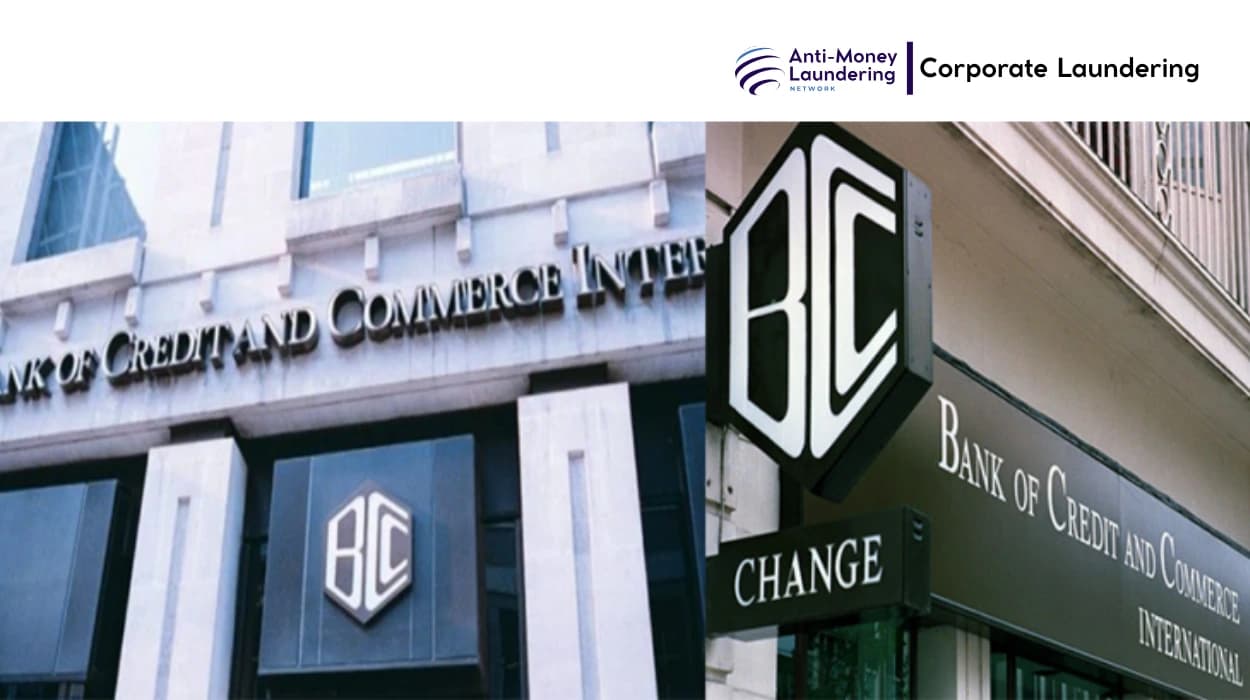
BCCI facilitated money laundering for arms dealers, drug cartels, and intelligence agencies while regulators in multiple countries ignored obvious criminal activity. The bank operated as a criminal conspiracy for nearly two decades.
“BCCI operated as a legitimate international commercial bank under proper regulatory oversight”
From “crazy” to confirmed
The Claim Is Made
This is the moment they called it crazy.
For nearly twenty years, one of the world's largest banks operated openly as a criminal enterprise while regulators watched and did nothing. The Bank of Credit and Commerce International didn't hide in shadows—it conducted its illegal operations from prestigious office buildings in London, New York, and dozens of other major financial centers, moving billions of dollars for arms dealers, drug traffickers, and intelligence agencies that preferred not to ask questions.
The basic claim was straightforward: BCCI wasn't just involved in financial crime; it was structured from inception as a conspiracy to launder money for the world's most dangerous actors. Whistle-blowers and investigative journalists began raising alarms about the bank's activities in the mid-1980s, pointing to impossible-to-ignore patterns of suspicious transactions and connected criminals. Yet bank regulators in multiple countries—including the United States, Britain, and Luxembourg—received detailed warnings and chose to look the other way.
Official responses to these early warnings ranged from dismissive to actively obstructive. When concerns surfaced about BCCI's connections to money laundering and terrorism financing, regulators treated the allegations as exaggerated claims from cranks and disgruntled employees. The U.S. Treasury, the Federal Reserve, and banking authorities in other countries seemed determined to treat BCCI like any other institution. Some officials even appeared to protect the bank's operations, possibly because BCCI's services proved useful to their own intelligence agencies.
The 1992 Senate Committee on Foreign Relations investigation, led by Senator John Kerry, produced the definitive documentation that proved what insiders had long known. The committee's report detailed how BCCI systematically facilitated money laundering on a staggering scale. The bank moved drug cartel proceeds with industrial efficiency, laundered billions for arms dealers circumventing international sanctions, and provided financial services to intelligence agencies conducting covert operations they couldn't fund through normal channels. BCCI officers didn't stumble into these relationships—they actively cultivated them, creating specialized departments and accounts designed specifically to attract illegal money.
What made the BCCI case especially damning wasn't just the criminal activity itself, but the institutional collapse that preceded its exposure. By the time regulators finally moved to shut down BCCI in 1991, the bank had stolen an estimated $10 billion and left countless victims without recourse. The delay between when regulators knew about the criminality and when they acted cost depositors dearly. Documents showed that bank examiners had observed suspicious patterns years earlier but took no meaningful action.
The significance of the BCCI case extends far beyond one crooked bank. It revealed that financial regulators either couldn't or wouldn't stop sophisticated criminal operations, even when the evidence sat directly in front of them. It demonstrated that intelligence agencies had competing interests with law enforcement, and that sometimes those intelligence interests won. Most critically, it showed that enormous criminal conspiracies could operate in plain sight within the regulated financial system because the people meant to police that system chose not to.
Today, decades after BCCI's collapse, the lesson remains unresolved: we still rely on the same regulatory structures that failed completely to stop BCCI. That's not a small oversight. It's a documented failure that should inform how we think about financial regulation, institutional accountability, and the limits of trusting government oversight to protect the public.
Get the 5 biggest receipts every week, straight to your inbox — plus an exclusive PDF: The Top 10 Conspiracy Theories Proven True in 2025-2026. No spam. No agenda. Just the papers they couldn't hide.
You just read "Bank of Credit and Commerce International operated as a crim…". We send ones like this every week.
No one's said anything yet. Be the first to drop your take.