The government agreed to a consent decree banning the Surgeon General, CDC, and CISA from threatening social media companies to remove content — for 10 years. The settlement effectively admits the censorship was real.
“The government agreed to a consent decree banning the Surgeon General, CDC, and CISA from threatening social media companies to remove content — for 10 years. The settlement effectively admits the censorship was real.”
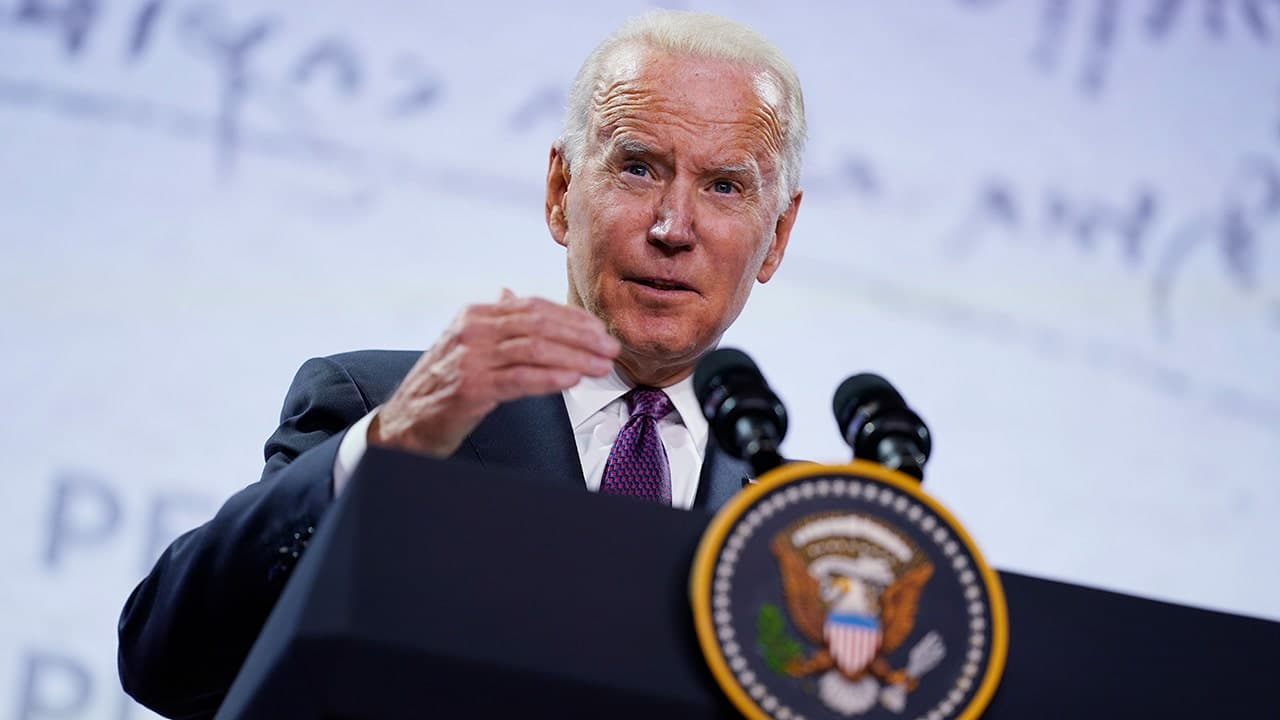
The Missouri v. Biden case ended with a consent decree: a 10-year ban on the Surgeon General, CDC, and CISA coercing social media companies to remove content. The government agreed to stop doing something it repeatedly claimed it never did.
For 10 years, federal agencies cannot threaten, pressure, or coerce social media platforms into removing speech. The consent decree specifically names the agencies that were caught doing it: the Surgeon General's office, the CDC, and CISA. If they weren't censoring, why did they agree to stop?
You don't sign a 10-year consent decree for something you didn't do. The settlement is, in legal terms, an admission that the conduct occurred. The government pressured social media companies to remove content it didn't like, and a court made them sign a document promising to stop.
During COVID, the government pressured platforms to remove posts questioning lockdowns, vaccine mandates, lab leak theories, and mask effectiveness. Some of those censored positions turned out to be correct. The government didn't just suppress speech — it suppressed speech that was right.
Get the 5 biggest receipts every week, straight to your inbox — plus an exclusive PDF: The Top 10 Conspiracy Theories Proven True in 2025-2026. No spam. No agenda. Just the papers they couldn't hide.
You just read "Biden admin settled the censorship case: 10-year ban on gove…". We send ones like this every week.
No one's said anything yet. Be the first to drop your take.
For the first time in American history, a court-enforced agreement explicitly bars federal agencies from pressuring private companies to censor speech. This is new territory — and the fact that it was necessary tells you everything about what was happening before the settlement.
Beat the odds
This had a 0.5% chance of leaking — someone talked anyway.
Conspirators
~500Large op
Secret kept
2.4 years
Time to 95% exposure
500+ years