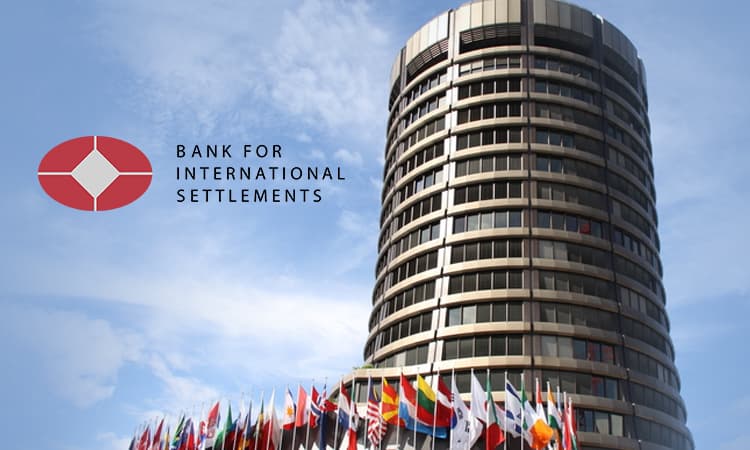
Founded in 1930, the BIS is owned by 63 central banks representing 95% of world GDP. It serves as the primary coordinator of global monetary policy, hosting secret bimonthly meetings where central bankers coordinate their actions. The BIS enjoys sovereign immunity -- its premises are inviolable, its archives cannot be examined, and it pays no taxes. Its officials have diplomatic immunity. No government or international organization has oversight authority. It sets global banking regulations through the Basel Accords that reshape economies worldwide.
“The Bank for International Settlements is the most powerful financial institution in the world, operating in total secrecy above all national laws, coordinating the monetary policies that control the global economy.”
From “crazy” to confirmed
The Claim Is Made
This is the moment they called it crazy.
For decades, critics alleged that the world's central banks coordinated monetary policy in shadowy, unaccountable meetings held behind closed doors. Most mainstream institutions dismissed this as conspiracy thinking. Yet the mechanics of this claim turned out to be largely documented—just operating in plain sight.
The Bank for International Settlements, established in 1930 as a settlement institution following World War I reparations, quietly evolved into something far more consequential. By the time skeptics began raising concerns about its secretive nature, the BIS was already hosting bimonthly meetings where the heads of 63 central banks representing 95% of global GDP gathered to coordinate international monetary policy. These weren't informal coffee talks. They were structured sessions where decisions made behind closed doors rippled through every economy on Earth.
When conspiracy theorists pointed to the BIS's opacity and lack of democratic oversight, official responses were dismissive. Critics were told they were trafficking in unfounded speculation. The BIS was simply a technical institution, they were assured—a boring administrative body that facilitated routine banking arrangements. Nothing to see here.
The problem was that the critics had done their homework. The BIS official charter and United Nations documents revealed something quite different. The institution operates under what amounts to sovereign immunity. Its premises are inviolable under international law, its archives cannot be examined by auditors or governments, and it pays no taxes. Its officials carry diplomatic immunity. No government body, not even the United Nations, maintains legitimate oversight authority.
The Basel Accords—international regulatory frameworks adopted by banking systems worldwide—originated from these BIS meetings. These accords don't merely suggest guidelines; they reshape domestic banking regulations and, by extension, national economies. When the BIS coordinates policy among central banks, those decisions eventually become law in member nations, often without meaningful public debate.
Get the 5 biggest receipts every week, straight to your inbox — plus an exclusive PDF: The Top 10 Conspiracy Theories Proven True in 2025-2026. No spam. No agenda. Just the papers they couldn't hide.
You just read "The Bank for International Settlements operates as the 'cent…". We send ones like this every week.
No one's said anything yet. Be the first to drop your take.
This isn't a matter of interpretation. The BIS's own official website confirms its institutional structure, its ownership by 63 central banks, and its role in coordinating global monetary policy. Wikipedia's entry on the organization documents its history and unique legal status. The immunity provisions appear in the Headquarters Agreement, publicly available for anyone willing to read the fine print.
What makes this case worthy of examination isn't that secret global government is orchestrating events from a Swiss headquarters. That remains unproven and likely overstated. What matters is that a genuinely consequential institution operates with minimal public accountability or understanding, making decisions that affect billions of people's financial lives.
The BIS probably isn't plotting world domination in windowless rooms. But it is an organization with tremendous influence over global monetary policy, populated by unelected officials, insulated from scrutiny, and positioned outside normal democratic processes. That the claim was partially verified doesn't vindicate every elaboration conspiracy theorists have constructed around it. But it does suggest that dismissing concerns about institutional opacity and accountability as mere paranoia was premature.
When legitimate institutions operate in genuine secrecy with actual immunity from oversight, public skepticism isn't unreasonable—it's prudent. The lesson here isn't that every conspiracy theory contains truth. It's that institutions claiming democratic legitimacy should expect questions when their actual structure contradicts that claim.