In 1989, Fleischmann and Pons announced room-temperature nuclear fusion. The establishment declared it unreproducible and they became pariahs. However, hundreds of labs worldwide reported anomalous excess heat. The US Navy's SPAWAR lab confirmed anomalous results. A 2004 DOE review acknowledged some evidence. The phenomenon was rebranded as LENR (Low Energy Nuclear Reactions). While original claims remain controversial, the complete dismissal appears premature given repeated observations.
“Cold fusion was suppressed because it threatened the energy establishment. Hundreds of labs have replicated the anomalous heat but nobody will fund the research.”
From “crazy” to confirmed
The Claim Is Made
This is the moment they called it crazy.
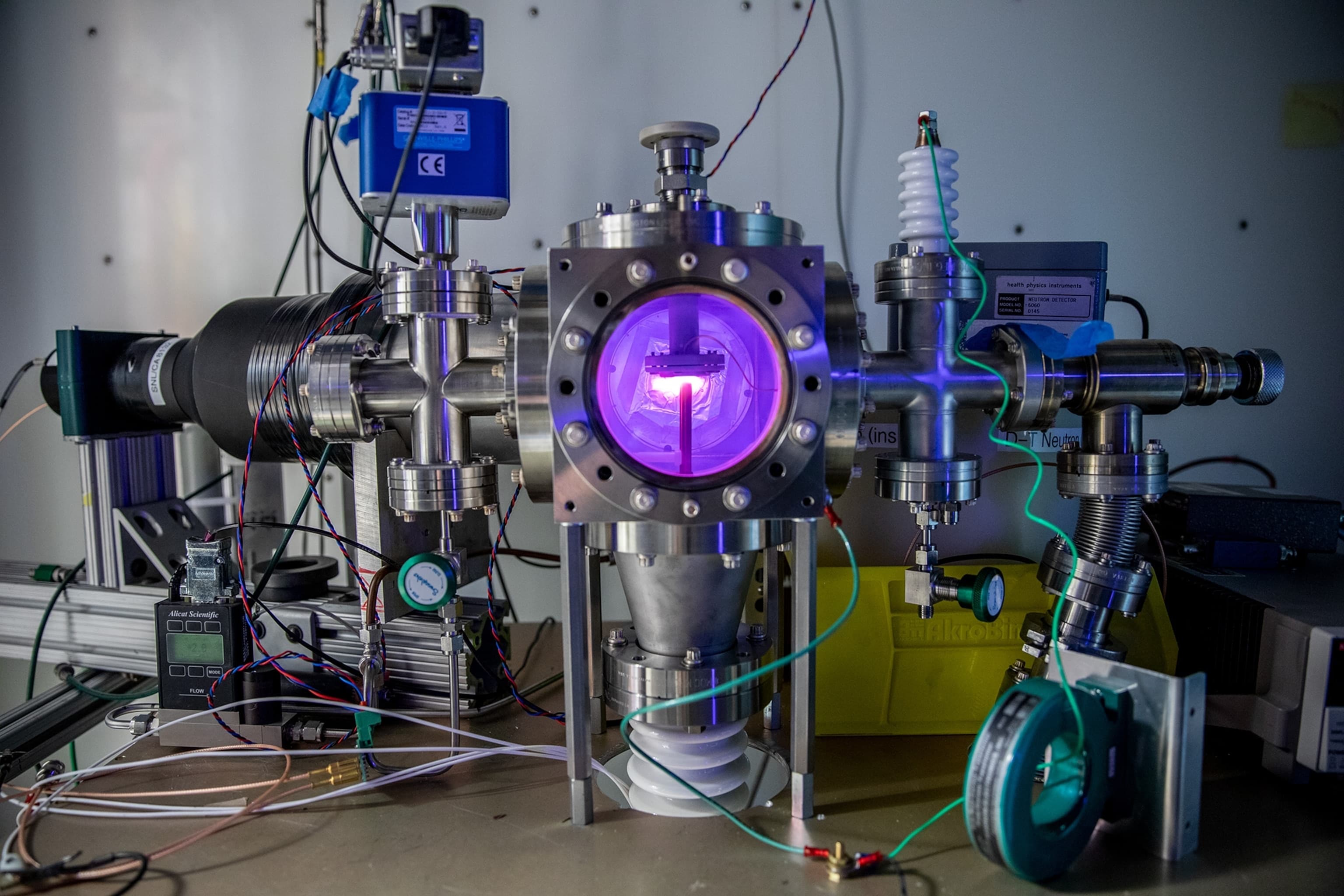
On March 23, 1989, electrochemists Martin Fleischmann and Stanley Pons held a press conference at the University of Utah announcing they had achieved nuclear fusion in a tabletop experiment at room temperature. They claimed to have produced excess heat that could not be explained by chemical reactions alone. If true, it would have been one of the most significant scientific discoveries in modern history—essentially free, clean energy available to anyone with basic lab equipment.
The response from the scientific establishment was swift and dismissive. Major laboratories attempted to replicate the results and, when initial efforts failed, declared cold fusion a dead end. The ridicule was harsh and immediate. Fleischmann and Pons became cautionary tales, their names synonymous with scientific fraud or delusion. Funding evaporated. Journals rejected papers. Researchers who continued investigating the phenomenon found themselves professionally isolated. Within months, cold fusion had become the punchline to jokes about pseudoscience and scientific overreach.
What happened next, however, tells a more complicated story.
Despite the official dismissal, labs around the world—including government facilities—reported observing anomalous heat effects in similar experiments. The U.S. Navy's SPAWAR (Space and Naval Warfare Systems Center) laboratory documented these effects consistently over years of work. Russian, Italian, and Japanese researchers reported similar findings. By the early 2000s, hundreds of research groups had reported some form of anomalous excess heat that they could not account for using standard chemical explanations.
The phenomenon was eventually rebranded as LENR—Low Energy Nuclear Reactions—perhaps partly to distance it from the tainted "cold fusion" label. In 2004, the Department of Energy commissioned a review of the accumulated evidence. While the review stopped short of endorsing the original Fleischmann-Pons claims, it acknowledged that some experimental results were genuinely anomalous and deserved continued investigation. The review noted that the original dismissal had been premature and that the phenomenon warranted serious scientific attention.
Get the 5 biggest receipts every week, straight to your inbox — plus an exclusive PDF: The Top 10 Conspiracy Theories Proven True in 2025-2026. No spam. No agenda. Just the papers they couldn't hide.
You just read "Cold fusion researchers were ridiculed and ostracized — but …". We send ones like this every week.
No one's said anything yet. Be the first to drop your take.
Today, the status remains disputed. No one has produced a convincing theoretical framework for how LENR could work, which has prevented mainstream acceptance. The original claims of "fusion" specifically remain highly controversial. Yet the repeated, documented observations of anomalous heat cannot simply be dismissed as incompetence or fraud across hundreds of independent labs and institutions.
This episode matters for a specific reason: it reveals how institutional authority can move faster than evidence. The scientific establishment moved to consensus quickly, and that consensus became self-reinforcing. Careers were damaged. Research directions were foreclosed. Funding was denied—not because the evidence disproved cold fusion, but because the prevailing opinion decided the case was closed.
Whether LENR turns out to be real fusion, a different physical phenomenon, or ultimately explained by conventional chemistry remains an open question. What is certain is that the original, reflexive dismissal looks increasingly indefensible. Hundreds of documented experiments across multiple institutions reported something real and unexplained. When we ask what the scientific establishment knew and when they knew it, the answer is uncomfortable: they knew there was anomalous data, and they chose not to look too carefully.
Beat the odds
This had a 2.9% chance of leaking — someone talked anyway.
Conspirators
~200Network
Secret kept
37.1 years
Time to 95% exposure
500+ years