The DEA's Special Operations Division used 'parallel construction' to hide NSA intelligence sources in criminal prosecutions. Internal documents showed agents were instructed to create false investigative trails to conceal surveillance origins.
“All evidence presented in court derives from lawful law enforcement investigations”
From “crazy” to confirmed
The Claim Is Made
This is the moment they called it crazy.
When federal drug agents made arrests, they rarely mentioned where their leads came from. Court documents showed standard investigative work—informants, surveillance, traffic stops. What prosecutors didn't reveal was that the National Security Agency had been watching some of these targets all along.
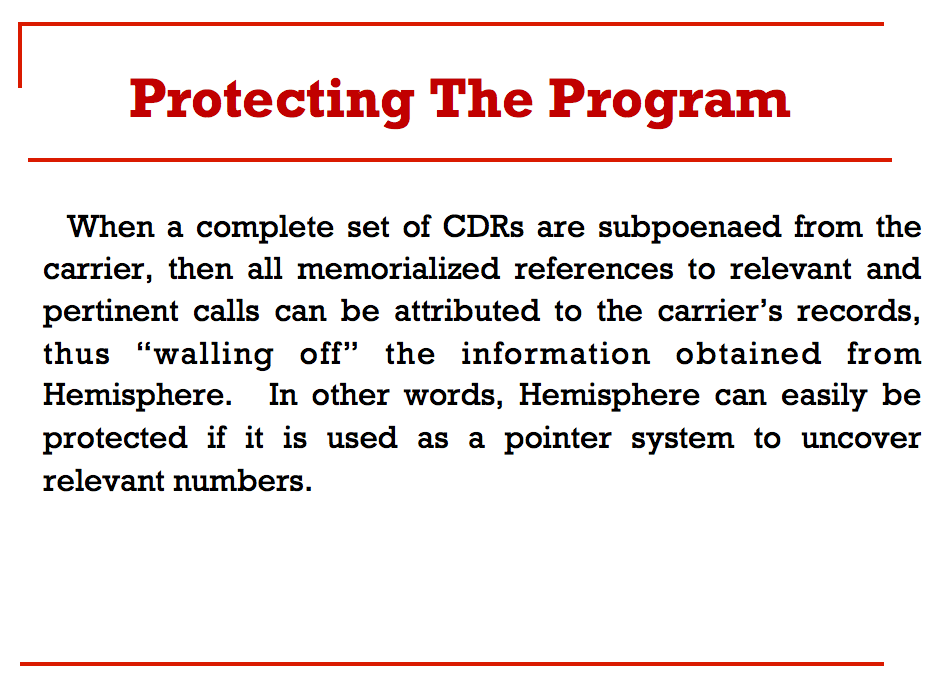
The DEA's Special Operations Division had access to NSA intelligence collected through mass surveillance programs. Rather than acknowledge this in court, the agency instructed agents to construct alternative explanations for how they'd discovered evidence. This practice, known as "parallel construction," allowed prosecutors to present cases without exposing classified surveillance methods or their scope.
For years, this remained an open secret within law enforcement circles. Defense attorneys occasionally suspected something was off—evidence appearing too convenient, leads materializing without clear origin—but proving it was nearly impossible. The general public knew nothing about the practice.
Then in 2013, journalists obtained internal DEA documents that laid out the program explicitly. Memos showed that agents in the Special Operations Division were regularly instructed to reverse-engineer their investigations, creating paper trails that obscured NSA involvement. One document stated that agents should "carefully coordinate" with NSA officials and ensure that "the utilization of [NSA] information" remained hidden from discovery processes.
Official responses initially dismissed concerns. Law enforcement representatives argued that parallel construction was necessary to protect classified information and ongoing intelligence operations. They maintained that the practice didn't compromise cases—evidence obtained through parallel construction was still legitimate, they said. The underlying facts hadn't changed, only the explanation for how agents found them.
Get the 5 biggest receipts every week, straight to your inbox — plus an exclusive PDF: The Top 10 Conspiracy Theories Proven True in 2025-2026. No spam. No agenda. Just the papers they couldn't hide.
You just read "DEA Used Parallel Construction to Hide NSA Intelligence in D…". We send ones like this every week.
No one's said anything yet. Be the first to drop your take.
But the documents told a different story. They revealed systematic instruction to obscure evidence sources, not occasional necessity. Internal guidance wasn't about protecting current operations; it was about preventing defendants from knowing what surveillance had targeted them. Defense lawyers couldn't challenge investigative methods they didn't know existed. Judges couldn't evaluate whether rights had been violated. The entire adversarial system that's supposed to test evidence had been compromised by intentional omission.
What made this particularly troubling was the scale. The DEA's Special Operations Division doesn't handle routine cases. It focuses on major trafficking organizations and significant dealers. If NSA surveillance was being hidden in these cases, how many defendants had been convicted without knowing the true basis for their prosecution?
The documentation also raised questions about institutional honesty. These weren't rogue agents acting alone. The instructions came from leadership. Prosecutors participated knowingly. Federal judges were kept in the dark, unable to fulfill their constitutional role of protecting defendants' rights.
Parallel construction represents a specific failure: it's not just surveillance, but surveillance deliberately hidden from legal scrutiny. It's not just intelligence gathering, but intelligence gathering presented to courts under false pretenses. When citizens don't know they're being watched, and when courts don't know either, the system of checks and balances that's supposed to constrain government power becomes theoretical rather than functional.
This matters because criminal justice depends on transparency about how evidence is obtained. Defendants have the right to challenge investigative methods. Courts have the duty to ensure those methods comply with constitutional protections. When these mechanisms are deliberately bypassed through constructed narratives, it undermines the legitimacy of convictions and corrodes public confidence in the justice system itself. The question isn't whether parallel construction was effective—it clearly was. The question is whether a justice system that requires deception to function is one worth maintaining.
Beat the odds
This had a 0.3% chance of leaking — someone talked anyway.
Conspirators
~50Network
Secret kept
12.8 years
Time to 95% exposure
500+ years