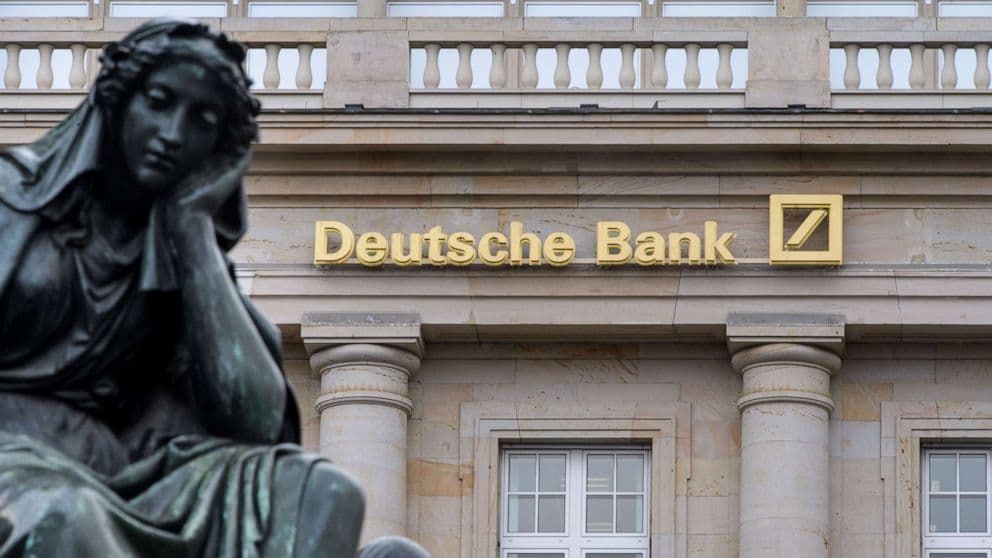
Bank records showed Deutsche Bank processed suspicious transactions for Epstein for years. Internal compliance officers flagged concerns but executives overruled them for profits.
“Deutsche Bank conducts thorough due diligence on all clients and complies with anti-money laundering regulations”
From “crazy” to confirmed
The Claim Is Made
This is the moment they called it crazy.
When Wells Fargo abruptly terminated Jeffrey Epstein's accounts in 2013, citing concerns about his conduct, it appeared the banking sector was finally applying some baseline ethical standards. That optimism proved premature. Within months, Deutsche Bank stepped in and continued processing transactions for Epstein—transactions that internal compliance officers repeatedly flagged as suspicious.
For years, this arrangement hummed quietly along. Deutsche Bank's private banking division maintained Epstein as a client, processing wire transfers and facilitating financial activity that should have triggered immediate regulatory attention. The bank wasn't simply accommodating a wealthy client; internal records later revealed that compliance officers were actively raising red flags about the nature and pattern of these transactions.
But here's where the institutional failure becomes impossible to excuse: senior executives at Deutsche Bank deliberately overruled these internal warnings. When compliance professionals did their jobs—identifying suspicious activity and recommending account closure—management ignored them. The profit motive was clear, and it won.
The banking industry had argued, in the years before this verification, that they were vigilant gatekeepers. Regulations existed. Internal controls existed. The compliance officers themselves existed. And yet, when all these safeguards pointed toward the same conclusion, they were systematically overridden by decision-makers more concerned with retaining a profitable client than preventing potential .
Get the 5 biggest receipts every week, straight to your inbox — plus an exclusive PDF: The Top 10 Conspiracy Theories Proven True in 2025-2026. No spam. No agenda. Just the papers they couldn't hide.
You just read "Deutsche Bank Helped Jeffrey Epstein Launder Money After Wel…". We send ones like this every week.
No one's said anything yet. Be the first to drop your take.
It wasn't until 2015, when New York State investigators subpoenaed Deutsche Bank's records, that the extent of the relationship became part of the public record. Even then, the issue remained largely buried beneath other headlines about Epstein's criminal activity. Deutsche Bank didn't face immediate consequences. The bank agreed to a $75 million settlement in 2020—a figure that, for an institution of Deutsche Bank's scale, functions more as a cost of doing business than genuine accountability.
This case matters for a specific reason: it reveals the gap between compliance theater and actual compliance. Banks maintain elaborate systems of internal controls and professional ethics specifically designed to prevent exactly this type of behavior. Yet when those systems work, when compliance officers do identify the problems, they can be simply ignored if the people above them decide it's worth it. The system failed not because it lacked the tools, but because the institution chose to fail it.
The verification of this claim should reshape how we think about banking regulation and oversight. Fines and settlements become meaningless if they're simply absorbed as overhead. What matters is whether executives face personal consequences for overruling compliance concerns—and in most cases, they don't.
For public trust in financial institutions, the lesson is sobering. A bank's stated commitment to compliance matters far less than what actually happens when compliance conflicts with profit. Deutsche Bank had every opportunity to do the right thing when Wells Fargo showed that it could be done. Instead, they made a calculation. That calculation was exposed, but the precedent was already set: some banks would knowingly facilitate suspicious activity if the margin was high enough.
Understanding that dynamic—not as conspiracy, but as documented institutional behavior—becomes essential for anyone attempting to trust these institutions with their money or believing their public statements about ethical standards.
Beat the odds
This had a 0.1% chance of leaking — someone talked anyway.
Conspirators
~50Network
Secret kept
4.8 years
Time to 95% exposure
500+ years