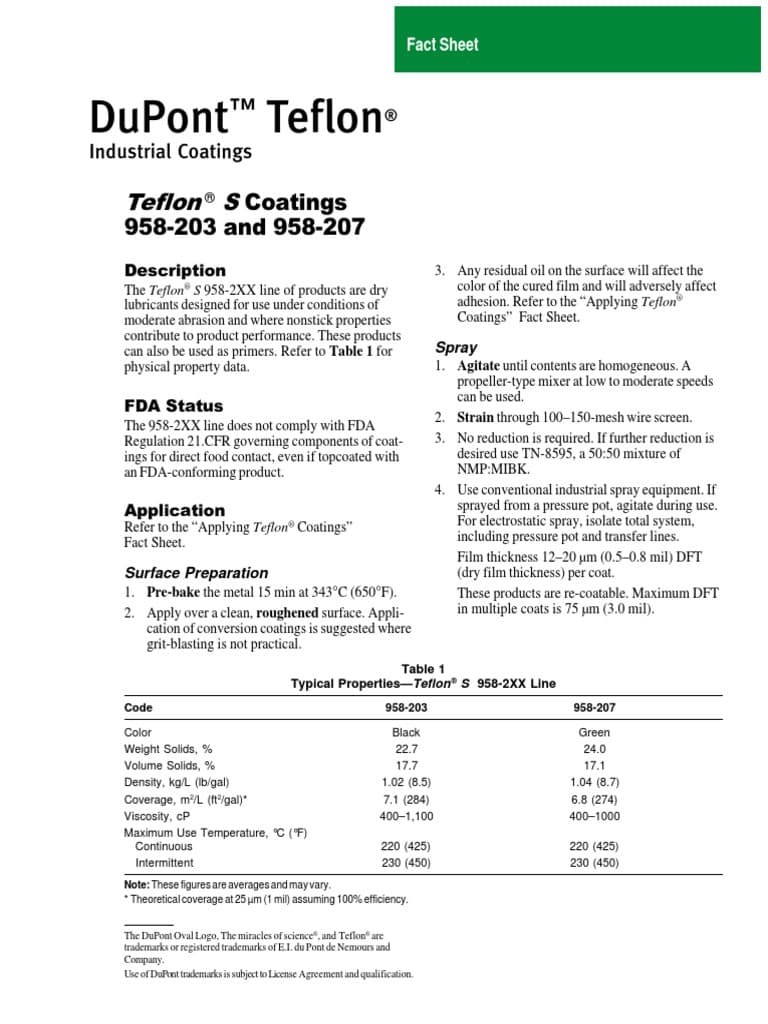
DuPont knew C8/PFOA from Teflon manufacturing caused birth defects and cancer since the 1980s but hid studies from regulators and the public. Internal documents revealed deliberate cover-up spanning 20+ years.
“DuPont has no knowledge of any adverse health effects from C8 exposure at current levels”
From “crazy” to confirmed
The Claim Is Made
This is the moment they called it crazy.
When scientists at DuPont discovered that C8—a chemical used to manufacture Teflon nonstick coating—caused birth defects in laboratory animals during the 1980s, the company faced a choice. They could disclose the findings to regulators and the public, or they could keep quiet. DuPont chose silence, and that decision would affect millions of people.
The chemical in question, perfluorooctanoic acid (PFOA), was essential to DuPont's production process for Teflon, the revolutionary coating that made the company billions of dollars. C8 was the byproduct that workers and nearby residents encountered regularly. For decades, DuPont maintained publicly that C8 posed no significant health threat.
When independent researchers and residents began raising alarms about contaminated water supplies and unusual clusters of illnesses near DuPont's manufacturing plants, the company's response was consistent: deny, deflect, and protect the bottom line. Regulators accepted the company's assurances. The official position held that there was no convincing evidence linking C8 to human health problems.
But internal company documents told a different story entirely. Researchers digging through DuPont's archives and legal filings discovered studies the company had conducted showing that C8 caused liver damage, kidney problems, and birth defects in animals. More damning still, the documents revealed that company leadership knew about these findings and actively worked to prevent them from reaching the Environmental Protection Agency and the public.
Get the 5 biggest receipts every week, straight to your inbox — plus an exclusive PDF: The Top 10 Conspiracy Theories Proven True in 2025-2026. No spam. No agenda. Just the papers they couldn't hide.
You just read "Dupont Concealed Teflon Chemical Health Risks for Decades De…". We send ones like this every week.
No one's said anything yet. Be the first to drop your take.
The cover-up lasted more than twenty years. DuPont scientists had documented the dangers since the early 1980s, yet the company continued manufacturing the chemical without warning workers or nearby communities. Internal memos showed deliberate strategy to suppress research and obscure findings. Some documents suggested the company understood it was sitting on evidence of a public health crisis.
When the evidence finally emerged—largely through legal discovery during class-action lawsuits filed by affected residents—the scope of the deception became clear. Tests showed that C8 had contaminated water supplies affecting hundreds of thousands of people. Epidemiological studies eventually confirmed links between C8 exposure and kidney cancer, testicular cancer, thyroid disease, and developmental effects in children.
What makes this case particularly significant is not just that a major corporation concealed health risks. That, unfortunately, is not uncommon. What stands out is the duration, the deliberateness, and the scale. DuPont had the scientific evidence. The company knew. And for more than two decades, it chose to let people consume contaminated water, breathe contaminated air, and live in ignorance.
This case fundamentally challenges how we think about corporate responsibility and regulatory oversight. If a company the size of DuPont could conceal such evidence for so long, what other health risks might currently be hidden? How much faith should we place in companies policing themselves? And perhaps most importantly: what systems need to change to prevent this from happening again?
The DuPont story reveals the gap between what corporations know privately and what they reveal publicly. It demonstrates why independent verification, aggressive investigation, and skepticism toward official denials matter. The residents affected by C8 contamination spent decades being told their concerns were unfounded. They were right all along—and the company knew it.
Beat the odds
This had a 2% chance of leaking — someone talked anyway.
Conspirators
~200Network
Secret kept
24.8 years
Time to 95% exposure
500+ years