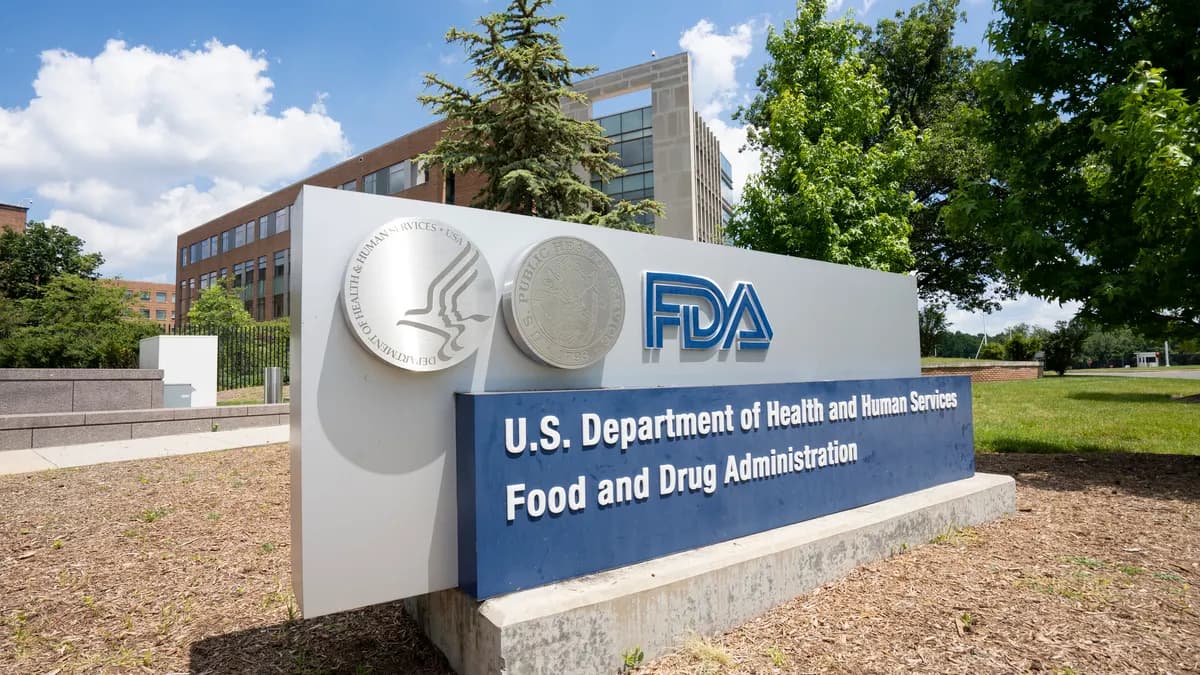
A BMJ study examined 55 FDA staff who conducted drug reviews and found 15 of 26 who left the agency later worked for the biopharmaceutical industry. One reviewer who led FDA analysis of AstraZeneca drug reviews joined AstraZeneca as a director and was representing them before her former colleagues within a year. Four of the last five FDA Commissioners left to join pharmaceutical companies or their boards. A Stanford Law paper calls it 'one persistent source of undue influence at the FDA.'
“Exit from government to private-sector employment via the revolving door is a frequent occurrence at the FDA, and companies often hire agency staffers who managed their successful drug reviews.”
From “crazy” to confirmed
The Claim Is Made
This is the moment they called it crazy.
The revolving door between regulatory agencies and the industries they oversee has long been dismissed as inevitable, even harmless. People argue that expertise naturally flows both directions—regulators understand the field and companies need that expertise. But a closer examination of FDA staff movements reveals something more troubling: a pattern so consistent it suggests systematic advantage rather than coincidence.
The claim emerged from academic scrutiny rather than any single whistleblower. Researchers examining the FDA's drug review process identified a striking pattern among staff who conducted critical safety evaluations. Of 26 FDA reviewers studied who left the agency, 15 went to work in the biopharmaceutical industry. That's 58 percent. These weren't mid-level analysts moving into similar positions—these were decision-makers whose approvals directly shaped which drugs reached patients.
One case illustrates the mechanics of this dynamic. An FDA reviewer who led the agency's analysis of AstraZeneca's drug applications joined AstraZeneca as a director. Within a year, she was representing the company in meetings with her former colleagues still working at the FDA. She wasn't violating ethics rules—the system technically permits this. But the practical consequence is clear: someone who just evaluated the company's work for safety and efficacy is now working to advance that same company's interests before the same agency.
The pattern extends to leadership. Four of the last five FDA Commissioners left their positions to join pharmaceutical companies or their boards. This isn't obscure—it's among the most visible positions in medical regulation. When the people setting agency direction leave to work for the industry they regulated, it sends a clear message about where institutional interests align.
Get the 5 biggest receipts every week, straight to your inbox — plus an exclusive PDF: The Top 10 Conspiracy Theories Proven True in 2025-2026. No spam. No agenda. Just the papers they couldn't hide.
You just read "Over half of FDA drug reviewers who left the agency went to …". We send ones like this every week.
No one's said anything yet. Be the first to drop your take.
Confirmed: They Were Right
The truth comes out. Officially documented.
Confirmed: They Were Right
The truth comes out. Officially documented.
Industry representatives have long argued that this movement demonstrates the FDA's credibility. They contend that knowledgeable people leaving proves the agency employs talented individuals. They point out that ethics rules technically prevent reviewers from working on the same drugs they previously evaluated. These arguments aren't entirely wrong—but they miss what the data actually shows.
The Stanford Law review that examined this issue called it "one persistent source of undue influence at the FDA." That framing matters. Undue influence doesn't require explicit quid pro quo. It operates through incentive structures and cultural alignment. An FDA reviewer who knows that pharmaceutical companies actively recruit departing staff members faces subtle pressure. Approving drugs maintains relationships with potential future employers. Raising concerns about safety might damage those relationships.
This doesn't require conspiracy. It requires only that humans respond to incentives. When your next job might depend on decisions you make today, those decisions carry weight they shouldn't.
The FDA's institutional response has been to emphasize compliance with existing ethics rules rather than address the underlying structural problem. The rules themselves permit what many would consider problematic movement. A cooling-off period exists, but it's limited. The agency hasn't fundamentally changed recruitment patterns or worked to reduce the industry's ability to hire its former regulators.
What matters for public trust is straightforward: the people evaluating whether drugs are safe enough for patients shouldn't have financial incentives pointing toward approval. The prevalence of this movement suggests that current safeguards aren't sufficient. If more than half of departing FDA reviewers work for the industry they regulated, then the system itself has a problem that no ethics form can solve.
Beat the odds
This had a 0.9% chance of leaking — someone talked anyway.
Conspirators
~300Network
Secret kept
7.2 years
Time to 95% exposure
500+ years