GE dumped 1.3 million pounds of PCBs into Hudson River from 1947-1977 while denying health risks and fighting cleanup efforts until EPA Superfund designation.
“PCBs pose no significant threat to human health or the environment”
From “crazy” to confirmed
The Claim Is Made
This is the moment they called it crazy.
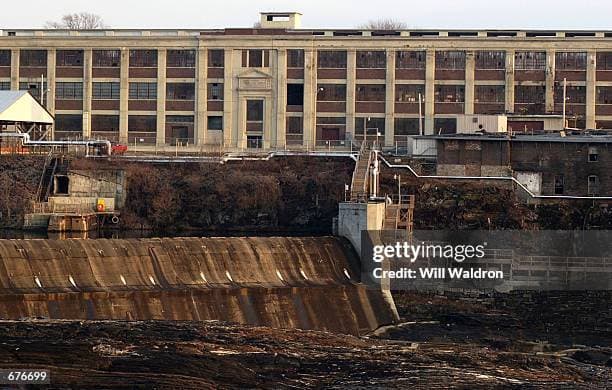
For three decades, General Electric operated two capacitor manufacturing plants along the Hudson River in upstate New York, releasing roughly 1.3 million pounds of polychlorinated biphenyls—PCBs—directly into the water while the company knew exactly what it was doing.
What makes this case particularly instructive isn't just the environmental damage, but the systematic campaign to obscure it. GE dumped PCBs from 1947 through 1977, a period when the company possessed internal research showing the chemical's toxicity long before the public knew to be concerned. The company's own scientists had documented health risks, yet this information remained locked in corporate files while executives denied any problem existed.
When local officials and environmental advocates began raising alarms about contaminated fish and declining river health, GE's response was predictable: deny, obfuscate, and delay. The company publicly dismissed health concerns and actively fought against cleanup efforts, arguing that the costs were prohibitive and the risks overstated. GE had resources most communities lacked, and they used them to maintain the status quo. Regulators struggled to push back against a major corporation that had little incentive to change behavior that cost them money.
The turning point came through institutional pressure rather than corporate virtue. By the 1980s, evidence had accumulated beyond the point of plausible denial. The Hudson River's contamination was documented in fish tissue, sediment samples, and the health records of people who depended on the river. In 1983, the Environmental Protection Agency designated the Hudson River as a Superfund site—a federal designation reserved for some of America's most severely polluted locations. This wasn't a victory GE had sought or welcomed. It was an imposition, forced by evidence they could no longer credibly challenge.
The cleanup itself became another chapter in the story. GE eventually undertook dredging operations to remove contaminated sediment, but only after decades of delay that allowed PCBs to disperse throughout the ecosystem and accumulate in organisms throughout the food chain. That temporal dimension matters: every year of delay meant more people consumed contaminated fish, more PCBs bound themselves to river sediments, and more ecological damage became irreversible.
What's instructive about the GE case isn't merely that a major company prioritized profits over safety—that's the recurring pattern in industrial history. Rather, it's that the company possessed information about risks while publicly maintaining the opposite position. This wasn't a case of an industry being genuinely ignorant of dangers. GE knew. They simply calculated that acknowledging the problem would cost more than managing public perception and regulatory pressure.
The Hudson River cleanup cost billions of dollars and took decades longer than it should have. Fish consumption advisories remain in effect on stretches of the river today, more than forty years after PCB dumping officially stopped. Communities that relied on the river for food and recreation lost access to those resources during the period when GE was making profit-versus-cleanup calculations in boardrooms.
This case teaches us that institutional knowledge can be weaponized as readily as it can be wielded for public good. When powerful entities possess dangerous information and choose silence over disclosure, the costs aren't abstract. They accumulate in contaminated ecosystems and in the bodies of people who had no ability to opt out of exposure. That's why documentation matters. It's why the gap between what companies know internally and what they claim publicly deserves scrutiny.
Get the 5 biggest receipts every week, straight to your inbox — plus an exclusive PDF: The Top 10 Conspiracy Theories Proven True in 2025-2026. No spam. No agenda. Just the papers they couldn't hide.
You just read "General Electric covered up PCB contamination of Hudson Rive…". We send ones like this every week.
No one's said anything yet. Be the first to drop your take.