This receipt is still in the Pro early-access window — public in 23h.
Upgrade to Pro for 24-48h early access on every new drop + weekly newsletter + category alerts.
Upgrade — $9.99/mo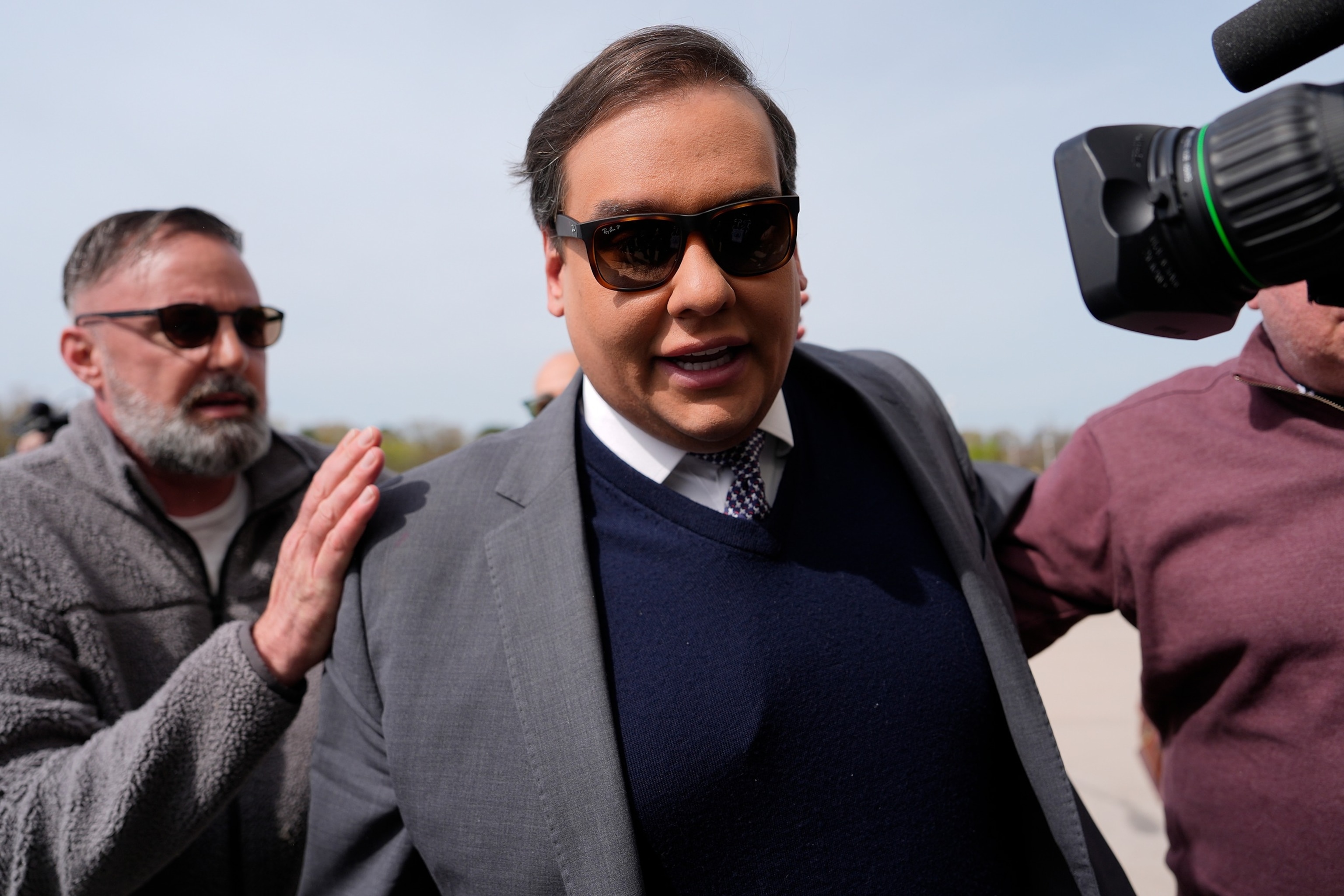
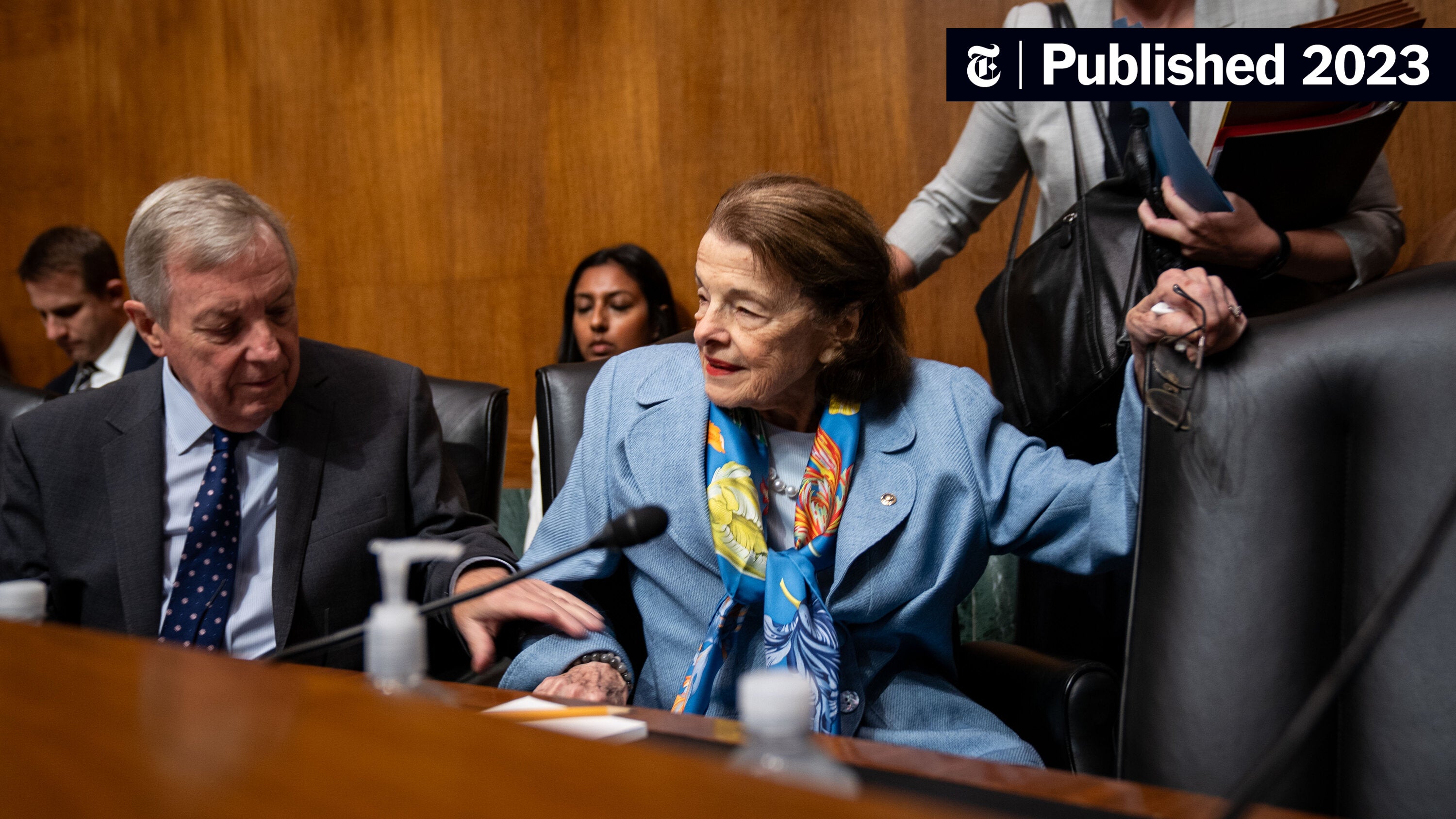
In February 2026, ex-congressman George Santos posted a video hyping his attendance at Trump's State of the Union, pumping the odds that he'd show. Then he quietly bet on Kalshi that he wouldn't appear — and didn't, allegedly pocketing tens of thousands when the odds collapsed. Kalshi froze his account and referred him to the DOJ and CFTC, both of which opened insider-trading probes.
“In February 2026, ex-congressman George Santos posted a video hyping his attendance at Trump's State of the Union, pumping the odds that he'd show. Then he quietly bet on Kalshi that he wouldn't appear — and didn't, allegedly pocketing tens of thousands when the odds collapsed. Kalshi froze his account and referred him to the DOJ and CFTC, both of which opened insider-trading probes.”
George Santos, the disgraced former New York congressman, didn't just place a bet on a prediction market. According to federal regulators, he allegedly rigged the outcome by lying to the public about his own behavior — then cashed in when the lie collapsed the odds. By June 2026, both the Department of Justice and the Commodity Futures Trading Commission had opened investigations.
In February 2026, traders on Kalshi were wagering on who would appear in the gallery at President Trump's State of the Union address. The day before the speech, Santos — fresh out of federal prison after Trump commuted his wire-fraud and money-laundering sentence — posted a video declaring, 'I'm going to be there for the State of the Union in the gallery, guys.' That public hype pushed up the market's odds that he'd attend.
Behind the scenes, Santos had allegedly already bet the opposite: that he would NOT show. He didn't. When he failed to appear, the odds on his attendance cratered — and his contrarian position paid off to the tune of tens of thousands of dollars, according to reporting from NPR's Bobby Allyn. In other words, he allegedly moved the market with a misleading statement and traded against it.
Kalshi's own surveillance flagged the trades as suspicious, froze Santos's account, and referred the matter to the CFTC and the DOJ. Both agencies opened investigations. Asked by NPR about the probe, Santos said, 'Well, that's news to me,' and on whether he even had a Kalshi account: 'I'm not saying yes, I'm not saying no.' He later called the accusations 'preposterous.'
Get the 5 biggest receipts every week, straight to your inbox — plus an exclusive PDF: The Top 10 Conspiracy Theories Proven True in 2025-2026. No spam. No agenda. Just the papers they couldn't hide.
You just read "George Santos Bet He Wouldn't Show at the State of the Union…". We send ones like this every week.
No one's said anything yet. Be the first to drop your take.
The case is a flashpoint in a growing fight over insider trading on prediction markets — venues that operate in a regulatory gray zone between gambling and securities. When the person setting the odds is also the one being bet on, the line between a prediction and a scam disappears.
Beat the odds
This had a 0% chance of leaking — someone talked anyway.
Conspirators
~50Network
Secret kept
2.4 years
Time to 95% exposure
500+ years