Senate investigation found Goldman created and sold toxic mortgage securities while simultaneously betting they would fail. Internal emails called their products 'shitty deals.'
“Goldman Sachs always acts in the best interests of our clients and maintains the highest ethical standards”
From “crazy” to confirmed
The Claim Is Made
This is the moment they called it crazy.
Goldman Sachs executives knew their mortgage securities were garbage. The only question was whether they'd profit more by selling them to unsuspecting clients or by betting against them. They chose both.
Between 2004 and 2007, Goldman created complex financial instruments bundled with subprime mortgages and marketed them to institutional investors—pension funds, insurance companies, and other banks that trusted Goldman's reputation. Simultaneously, the bank's own trading desk was placing massive bets that these same securities would collapse. It was a calculated scheme to profit regardless of outcome: make money on the sale, then make more money when the product failed.
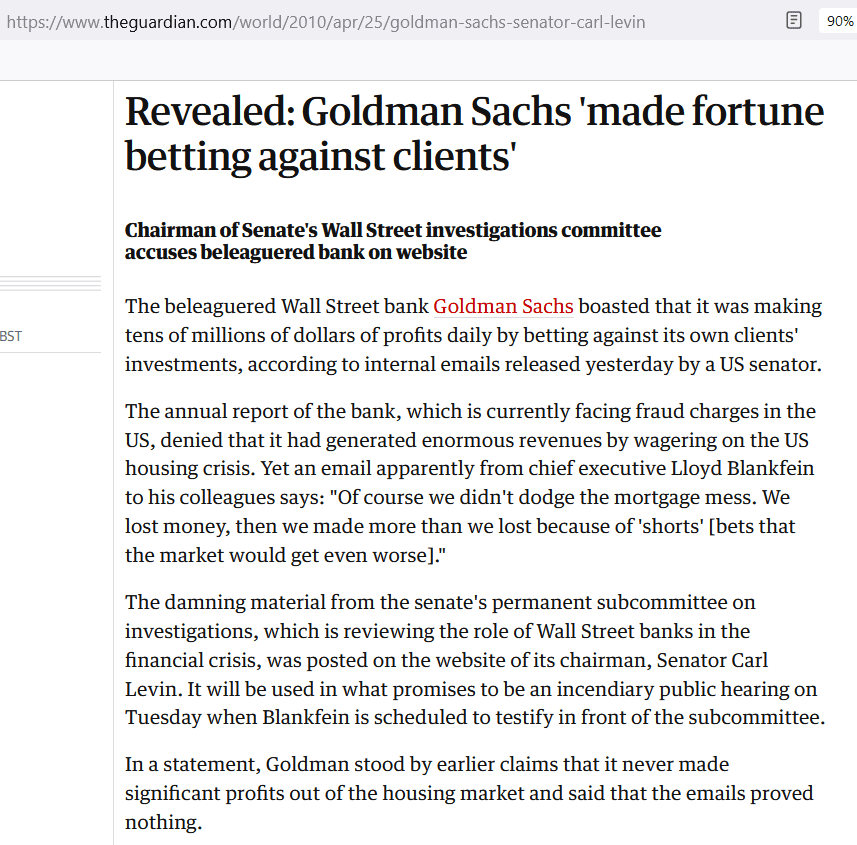
The claim itself wasn't new. Journalists and financial analysts had suspected this behavior during the 2008 financial crisis, but proving it required access to internal communications. Initially, Goldman Sachs denied any wrongdoing. The bank's position was straightforward: they were sophisticated market participants engaging in legitimate hedging strategies. If they bet against their own products, that was simply prudent risk management, not fraud. The narrative they offered was one of an institution protecting itself in an uncertain market.
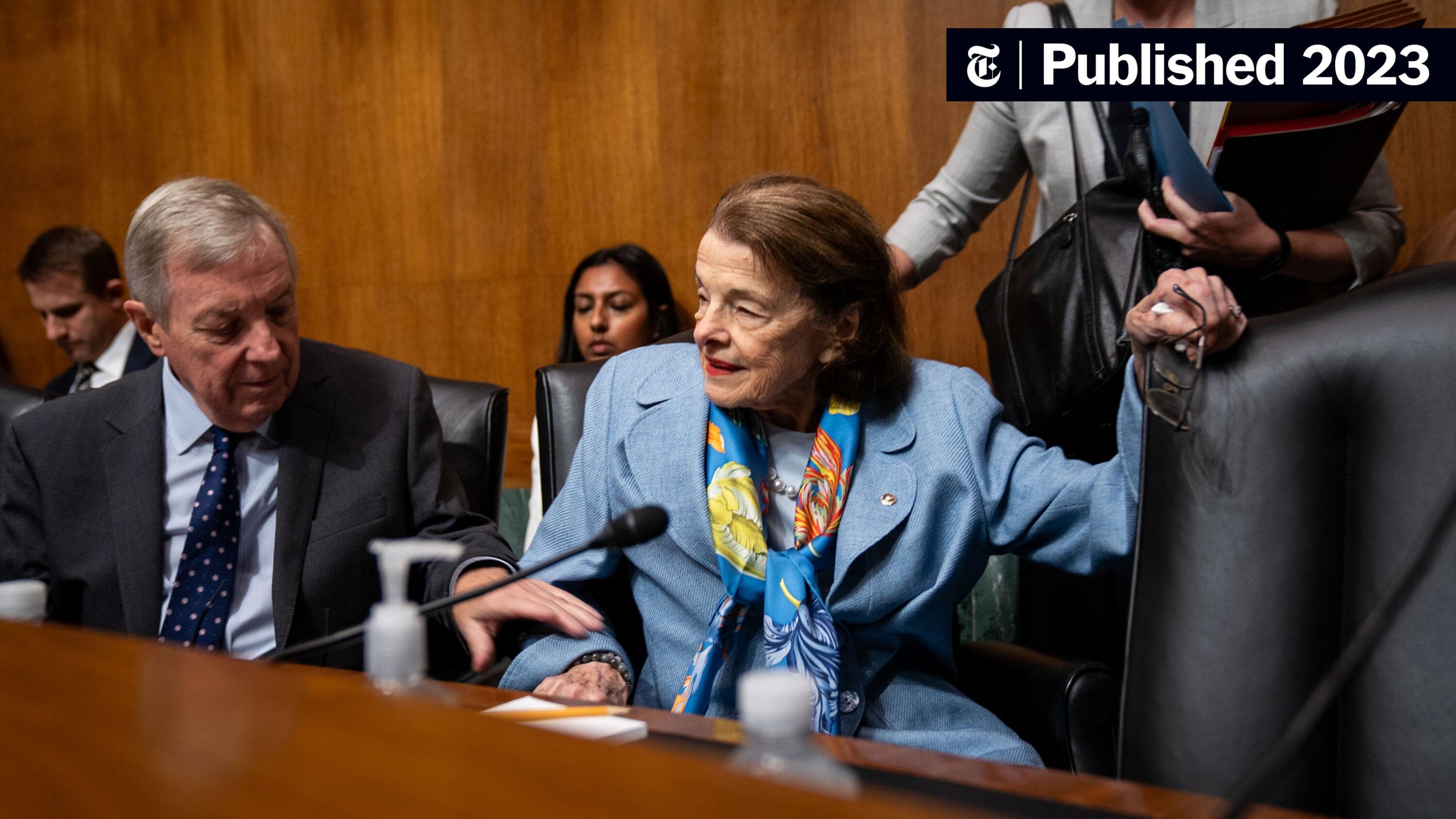
But in 2010, the Senate Permanent Subcommittee on Investigations examined Goldman's internal documents and emails. What they found was damning. An executive referred to one mortgage security as a "shitty deal." Another email showed employees discussing the potential for these products to fail while they continued selling them. The investigation documented that Goldman had created mortgage securities they believed were likely to lose value, then actively marketed them to clients while taking opposite positions in their trading operations.
The evidence was specific and quantifiable. Goldman sold approximately $4.9 billion in mortgage-backed securities to clients between 2004 and 2007. During this same period, they held a net short position worth hundreds of millions of dollars—meaning they'd bet the market would go down. When the housing market collapsed, clients holding these securities lost billions while Goldman's short positions generated enormous profits. The bank had essentially placed a one-way bet at their clients' expense.
The Senate investigation concluded in April 2011, publicly detailing this behavior. Rather than face criminal charges, Goldman settled with the Securities and Exchange Commission for $550 million in July 2010—a significant figure that nevertheless amounted to roughly two weeks of the bank's annual revenue. No executives faced criminal prosecution. No one went to jail.
This matters for a fundamental reason: it demonstrated that the safeguards supposedly protecting investors had failed completely. If Goldman Sachs—one of the world's most prestigious financial institutions—could knowingly sell bad products while betting against them, and face minimal consequences, it revealed something broken at the institutional level. Trust in financial markets depends on the assumption that those selling products have at least some alignment with those buying them. This case proved that assumption was naive.
What's particularly relevant today is that this wasn't a rogue trader or a single bad actor. The behavior was systematic and widespread across the organization. Which means the question wasn't whether Goldman acted unethically in this case. They did, demonstrably. The real question was whether the system held anyone accountable for it. History suggests it didn't.
Get the 5 biggest receipts every week, straight to your inbox — plus an exclusive PDF: The Top 10 Conspiracy Theories Proven True in 2025-2026. No spam. No agenda. Just the papers they couldn't hide.
You just read "Goldman Sachs Bet Against the Same Mortgage Securities They …". We send ones like this every week.
No one's said anything yet. Be the first to drop your take.