Barclays, UBS, and other major banks manipulated the London Interbank Offered Rate through coordinated submissions. Trader communications revealed systematic rate-rigging affecting trillions in loans, derivatives, and mortgages globally.
“Libor submissions reflected genuine borrowing costs based on market conditions”
From “crazy” to confirmed
The Claim Is Made
This is the moment they called it crazy.
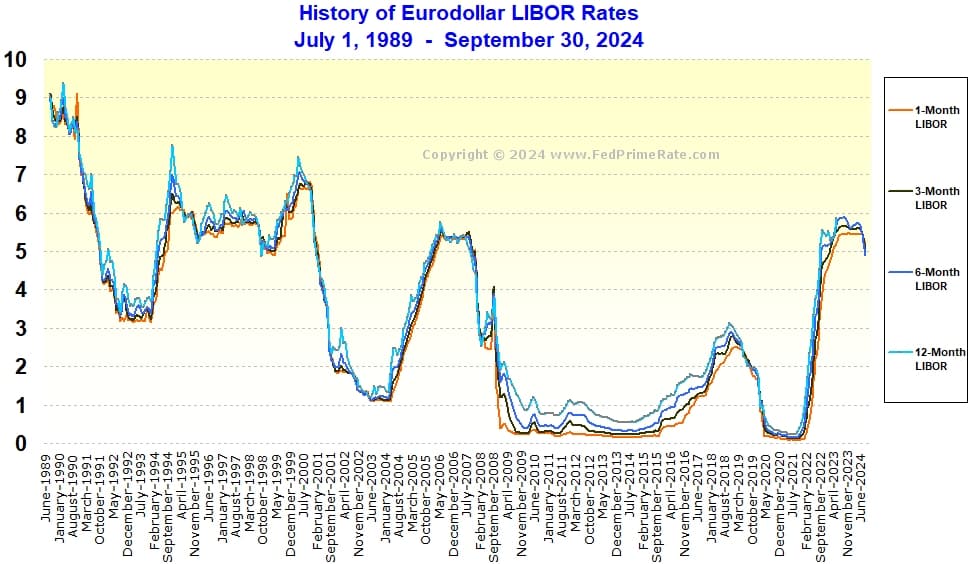
For decades, the London Interbank Offered Rate—LIBOR—functioned as the backbone of global finance. Banks used it to set prices on an estimated $350 trillion in financial products annually, from home mortgages to student loans to complex derivatives. It was supposed to be an honest measure of what it actually costs banks to borrow from each other. It wasn't.
The manipulation of LIBOR wasn't a conspiracy theory whispered in dark corners. It was an open secret among traders at major banks, discussed casually in chat rooms and instant messages, treated as just another way to make money. Yet for years, the financial industry and regulators insisted that LIBOR was fundamentally sound. When early concerns surfaced, they were largely dismissed or ignored.
In 2011, the Financial Times began publishing evidence that something was seriously wrong with how LIBOR was being calculated. The newspaper interviewed traders and looked at historical rate data, finding suspicious patterns. Yet the initial response from banks and some regulators was defensive. Officials suggested the calculations were complex, that there might be innocent explanations, that further investigation was needed. The implication was clear: don't worry, we're handling it.
Then came the documents.
In June 2012, the Commodity Futures Trading Commission issued orders against Barclays Bank requiring the firm to pay $200 million for attempted manipulation of LIBOR and its European equivalent, Euribor. What made this case undeniable wasn't just the fine—it was the evidence. Internal communications showed traders explicitly discussing how to move LIBOR rates to benefit their trading positions. One trader reportedly told submitters: "If you keep the lib set of set around 1.40, I'll pay you, you know, 50 [basis points]." This wasn't sophisticated financial maneuvering. This was bribery, plain and simple.
The Barclays case cracked open the entire scheme. Investigators discovered that UBS had engaged in even more systematic manipulation. Traders there had created an organized, collaborative effort involving multiple banks to move LIBOR for profit. The conspiracy had operated openly, with dozens of traders and submitters across different institutions coordinating their actions through electronic communications.
What followed was an avalanche of penalties and admissions. Bank after bank paid billions in fines. Criminal charges were filed against individual traders. The scale of the manipulation became clear: it wasn't a minor problem affecting a handful of transactions. It was systemic. It was intentional. And it had defrauded ordinary people taking out mortgages, students borrowing for education, and businesses seeking fair interest rates.
The LIBOR scandal matters because it exposed something troubling about institutional power and oversight. When major banks said their internal controls were working and LIBOR was sound, they were lying. When regulators suggested the system was functioning properly, they were wrong. It took persistent journalism and eventual regulatory action to force the truth into the open.
The lesson isn't that banks are uniquely evil. It's that systems where the participants grade their own work tend to fail. LIBOR worked for decades because nobody powerful enough to stop it had sufficient incentive to do so. Those who benefited most—the traders and their banks—would never voluntarily expose the scheme. Change only came when external pressure became impossible to ignore.
Get the 5 biggest receipts every week, straight to your inbox — plus an exclusive PDF: The Top 10 Conspiracy Theories Proven True in 2025-2026. No spam. No agenda. Just the papers they couldn't hide.
You just read "Libor interest rates were systematically manipulated by majo…". We send ones like this every week.
No one's said anything yet. Be the first to drop your take.