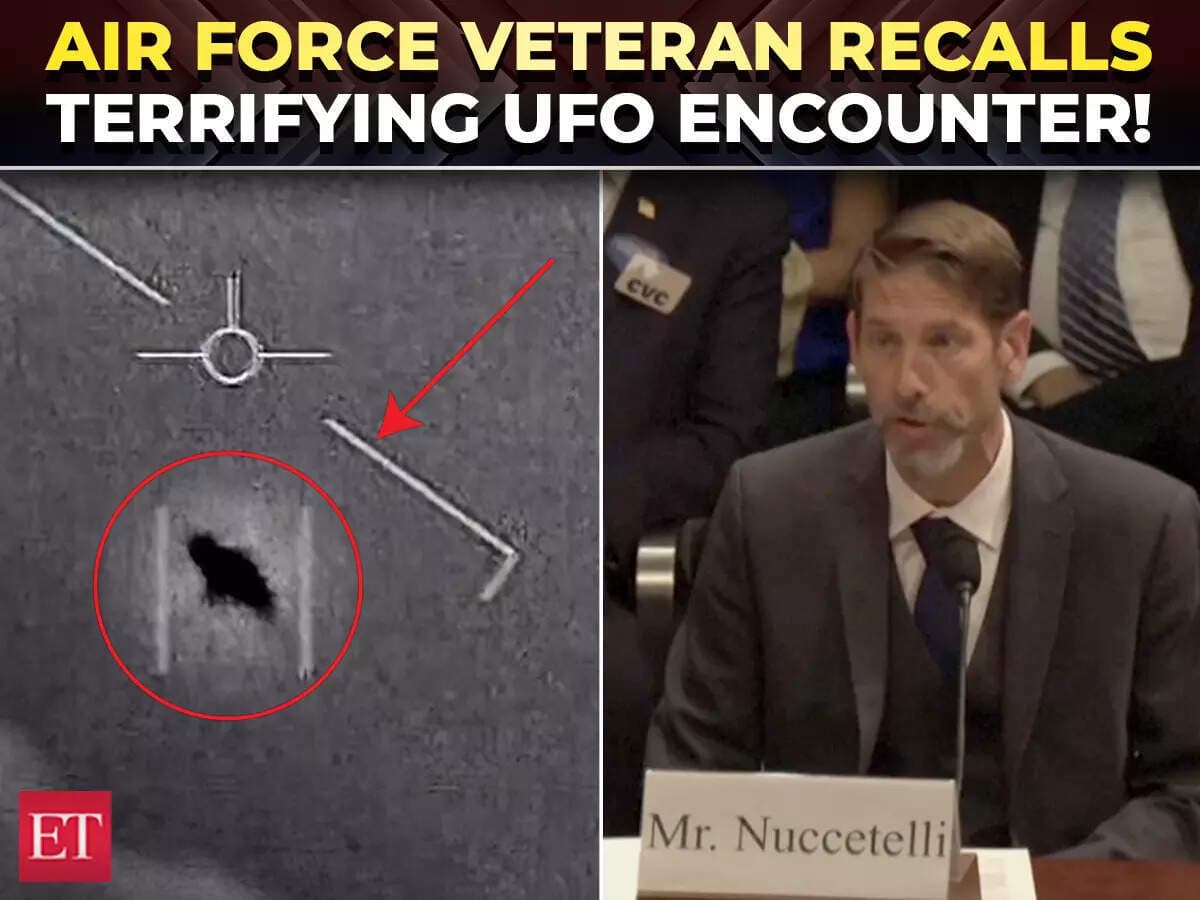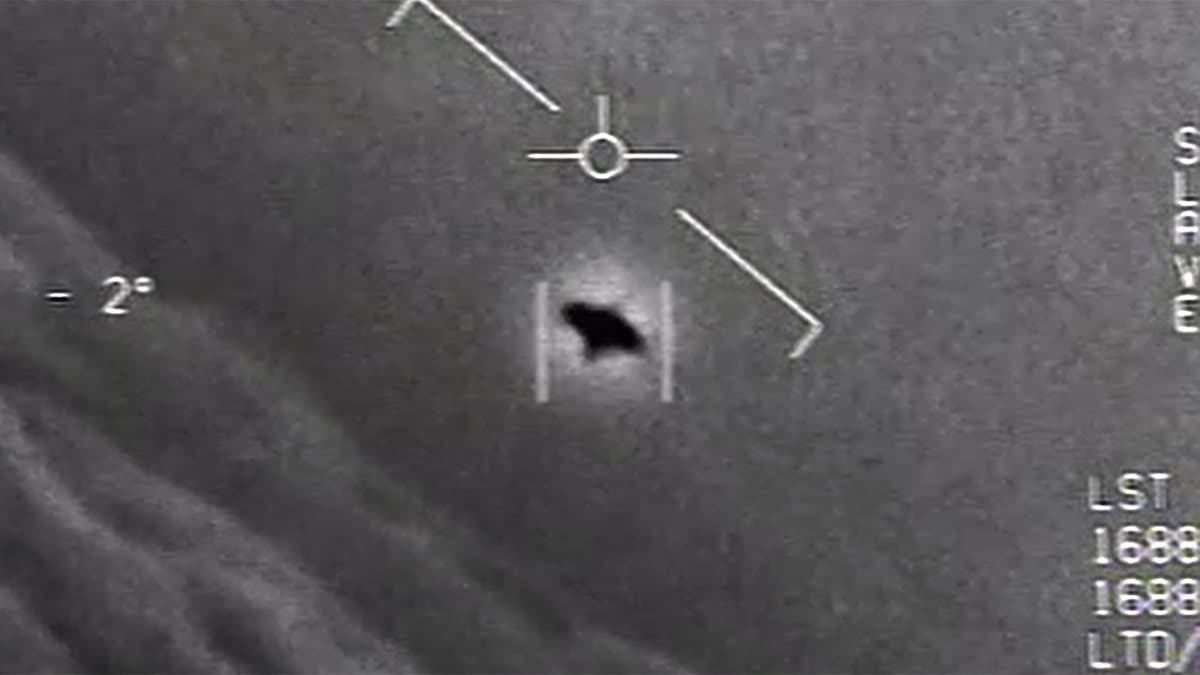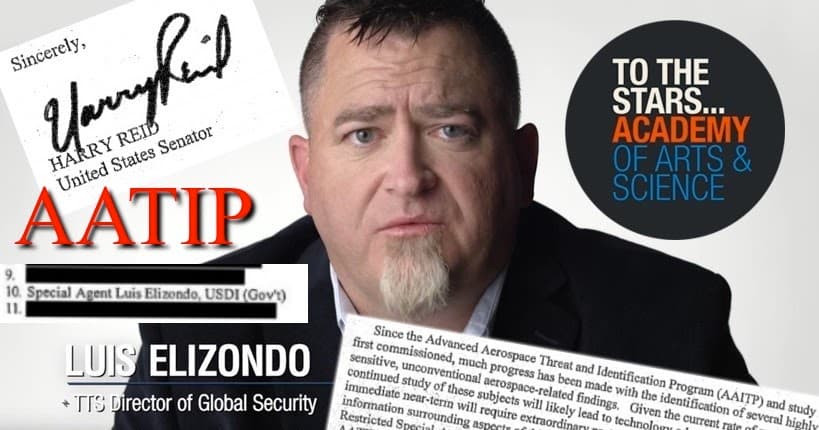
Luis Elizondo, who claims to have directed the Pentagon's AATIP program from 2010-2017, resigned in October 2017 in protest over government secrecy surrounding UAPs. He joined To The Stars Academy and helped leak the three Navy UFO videos to the New York Times. His 2024 memoir 'Imminent' debuted at #1 on the NYT bestseller list, claiming the US government possesses recovered non-human technology and that a 'cabal' within the defense establishment is hiding the truth. However, the Pentagon's stance on Elizondo has been contradictory — initially confirming him as an AATIP leader, then stating he 'had no responsibilities with regard to the AATIP program.' Multiple intelligence officials have vouched for his credibility.
“The United States government has in its possession exotic material — material from UAPs that are not made by human hands. There is a small group of people protecting this information from disclosure.”
What they said vs. what the evidence shows
“Mr. Elizondo had no responsibilities with regard to the AATIP program while he worked in OUSDI, including as it's director.”
— Pentagon spokesperson Christopher Sherwood · Jun 2019
SourceFrom “crazy” to confirmed
The Claim Is Made
This is the moment they called it crazy.
When a high-ranking Pentagon official walks away from his job in protest, the establishment usually tries to make him disappear. Luis Elizondo didn't disappear. Instead, he wrote a book that became a bestseller and kept talking about what he says the government doesn't want discussed: recovered non-human technology.
Elizondo's original claim was straightforward. He stated that he directed the Pentagon's Advanced Aerospace Threat Identification Program (AATIP) from 2010 to 2017, and that he resigned in October 2017 specifically because the Department of Defense was actively suppressing information about unidentified aerial phenomena, or UAPs. This wasn't a anonymous whistleblower situation—he put his name and career on it. He then joined To The Stars Academy, worked with investigative journalists, and helped facilitate the release of three classified Navy UFO videos to the New York Times in late 2017.
The Pentagon's response was a masterclass in bureaucratic contradiction. Initially, the Defense Department confirmed Elizondo's involvement with AATIP. But as his claims gained attention and credibility, the official story shifted. The Pentagon released a statement claiming Elizondo "had no responsibilities with regard to the AATIP program." This wasn't a subtle difference—it directly contradicted their earlier confirmation. The implication was clear: discredit the messenger, undermine the message.
But here's where the picture becomes more complex. Multiple intelligence officials, including former Deputy Defense Secretary Chris Mellon and former CIA official Jim Semivan, vouched for Elizondo's role and credibility. These weren't fringe voices—these were people with decades of experience in the national security apparatus. Their public endorsements carried weight that 's vague denials couldn't neutralize. Meanwhile, the three Navy videos Elizondo helped release became the subject of official and Pentagon investigation, lending legitimacy to the broader conversation he was pushing.
Get the 5 biggest receipts every week, straight to your inbox — plus an exclusive PDF: The Top 10 Conspiracy Theories Proven True in 2025-2026. No spam. No agenda. Just the papers they couldn't hide.
You just read "Former AATIP director Luis Elizondo resigned from the Pentag…". We send ones like this every week.
No one's said anything yet. Be the first to drop your take.
@1154630765012897792 — Whistleblower describes personal financial hardship from coming forward, corroborating pattern of retaliation against UAP disclosure figures like Elizondo
Whistleblower describes personal financial hardship from coming forward, corroborating pattern of retaliation against UAP disclosure figures like Elizondo
In 2024, Elizondo's memoir "Imminent: Inside the Pentagon's Hunt for UFOs" debuted at number one on the New York Times bestseller list. The book's core claim—that the U.S. government possesses recovered non-human technology and that a faction within the defense establishment is actively concealing this fact—represents his most explicit statement yet. A number one bestseller position isn't a proof of truth, but it is proof of something important: millions of people found his account credible enough to purchase and read.
The central tension here involves public trust. Either the Pentagon was lying when it first confirmed Elizondo's role and then lied when it denied his responsibilities. Or Elizondo is fundamentally misrepresenting his position and influence. Both scenarios reveal cracks in the credibility of official channels. When government agencies contradict themselves about basic facts, citizens have legitimate reasons to wonder what they're hiding.
What makes this claim worth tracking is precisely this contradiction. Elizondo's credibility rests partly on his institutional backing and official confirmations, yet the Pentagon simultaneously undermines him. The intelligence community's public support for him complicates any easy dismissal. Whether or not recovered non-human technology actually exists remains unproven, but the documented behavior of the Pentagon regarding Elizondo himself—the contradictions, the shifting accounts, the strategic denials—is very much a matter of record. That pattern demands scrutiny.
Beat the odds
This had a 1.7% chance of leaking — someone talked anyway.
Conspirators
~500Large op
Secret kept
8.6 years
Time to 95% exposure
500+ years