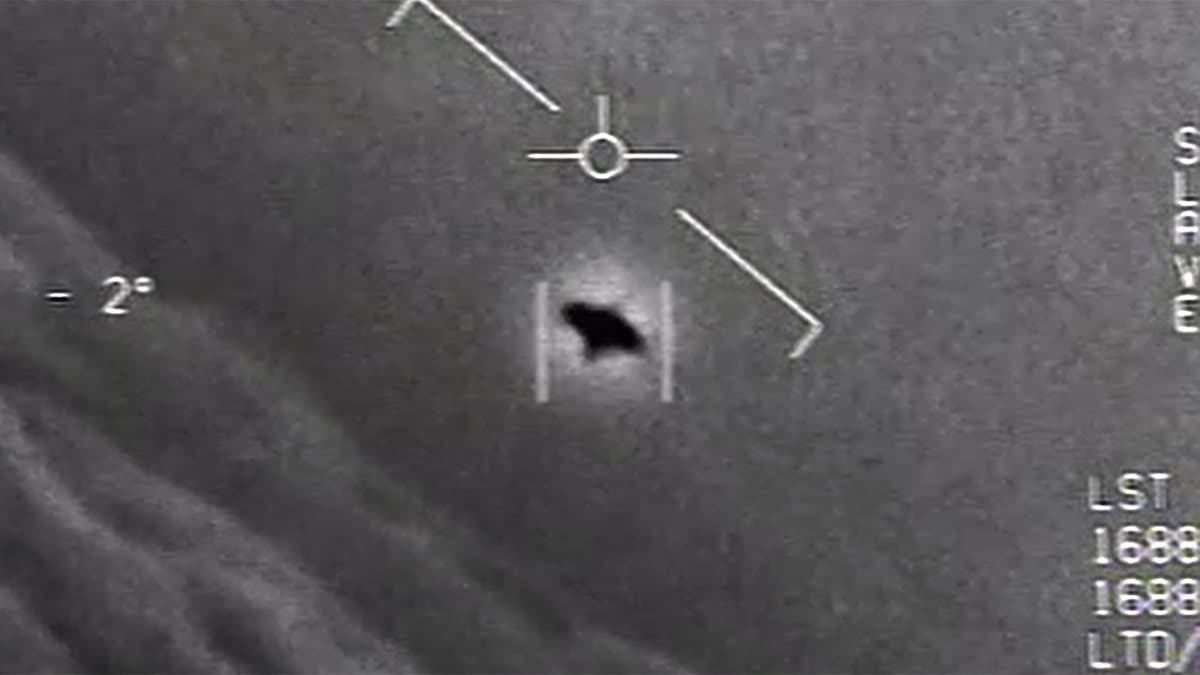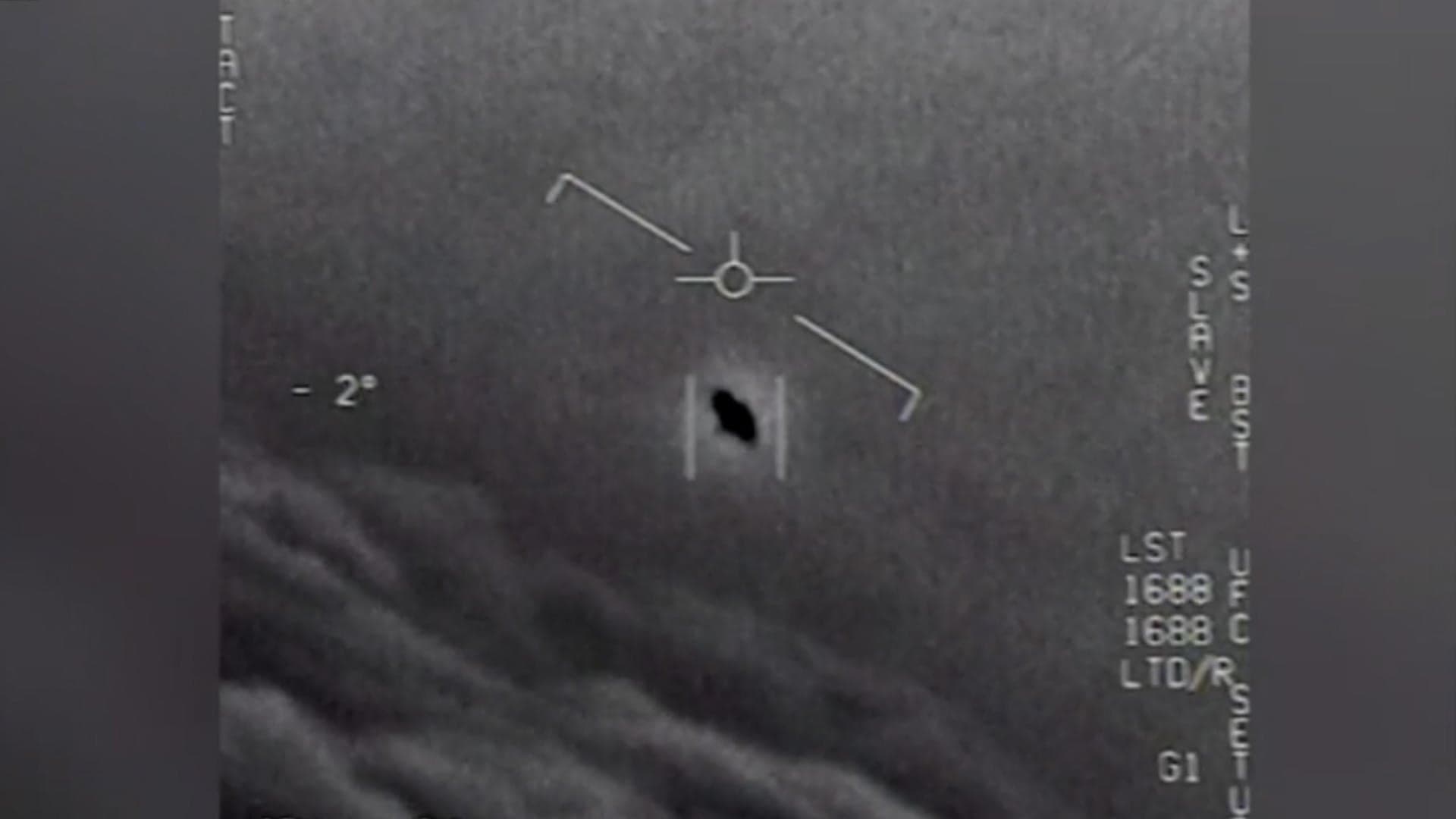
On December 16, 2017, investigative journalists Leslie Kean and Ralph Blumenthal published 'Glowing Auras and Black Money: The Pentagon's Mysterious U.F.O. Program' in the New York Times, accompanied by the release of the FLIR1, Gimbal, and GoFast videos. The article revealed AATIP's existence, Elizondo's resignation, and the Pentagon's acknowledgment that it had been studying UFOs. This single article fundamentally shifted the Overton window on UFOs: the term 'UAP' replaced 'UFO,' Congress began holding hearings, the military established reporting procedures, NASA launched its own study, and the topic transitioned from fringe conspiracy theory to mainstream national security concern. It was arguably the most consequential piece of journalism in the history of the UFO phenomenon.
“For decades, the US government denied investigating UFOs. We can now confirm the Pentagon spent $22 million on a secret program to study them — and the evidence was so compelling that program leaders resigned in protest over government secrecy.”
What they said vs. what the evidence shows
“UFO claims are the province of conspiracy theorists and tabloids. No serious person or institution gives them credence.”
— Pre-2017 establishment consensus · Dec 2017
SourceFrom “crazy” to confirmed
The Claim Is Made
This is the moment they called it crazy.
For decades, anyone seriously discussing unidentified aerial phenomena was likely to be dismissed as a conspiracy theorist or crank. The U.S. government maintained official silence on the matter, while mainstream media treated UFO stories as entertainment fodder. But on December 16, 2017, that began to change—not through leaked documents or whistleblower revelations, but through one carefully reported article in the New York Times.
That morning, investigative journalists Leslie Kean and Ralph Blumenthal published "Glowing Auras and Black Money: The Pentagon's Mysterious U.F.O. Program." The piece didn't speculate about aliens or make extraordinary claims. Instead, it documented something simpler and more damning: the U.S. Department of Defense had been systematically studying unidentified aerial phenomena and had kept the program largely hidden from public view and congressional oversight.
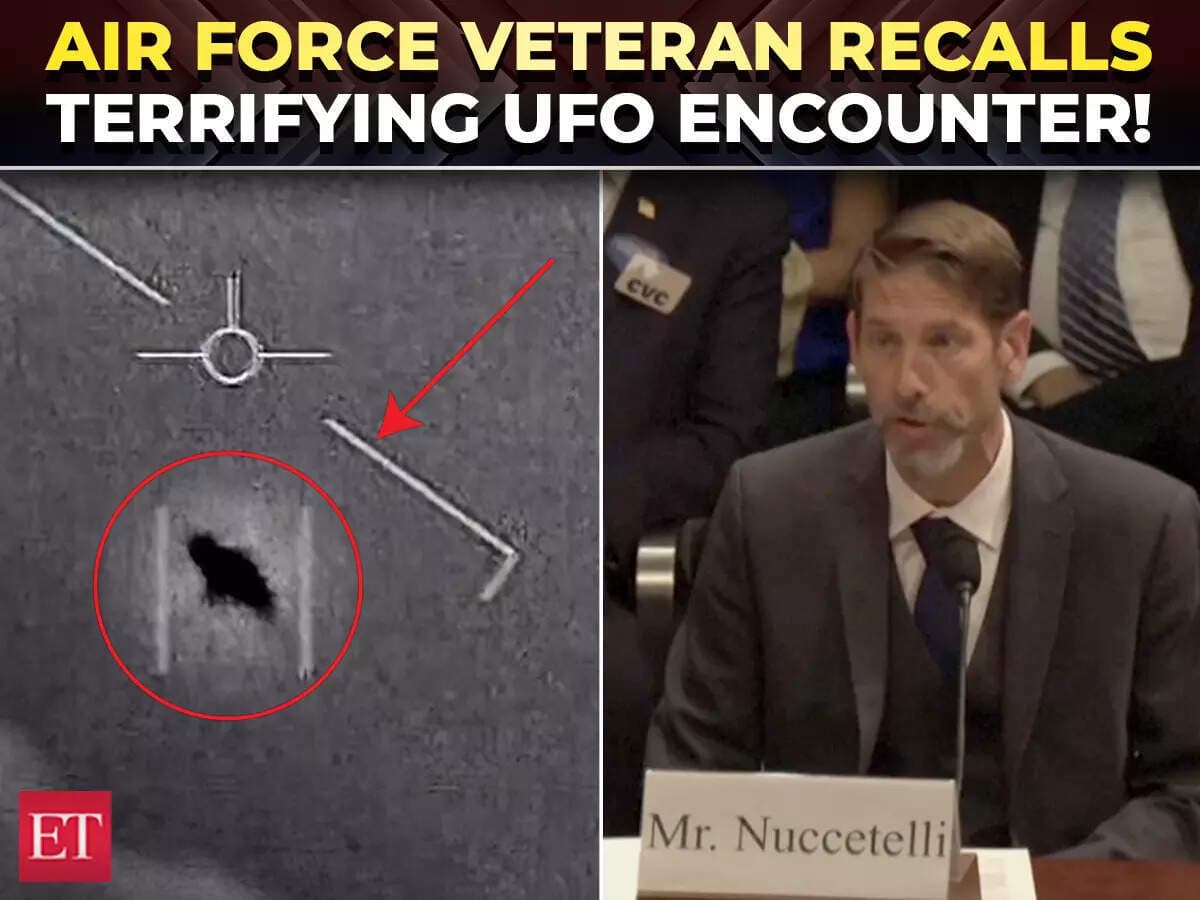
The article revealed the existence of the Advanced Aerospace Threat Identification Program (AATIP), a Pentagon initiative that had operated from 2007 to 2012 with a budget reportedly in the tens of millions of dollars. It detailed how Luis Elizondo, a career military intelligence officer, had led the program before resigning in protest over what he considered excessive secrecy and institutional resistance to taking the subject seriously. Most significantly, the Times published three declassified videos—FLIR1, Gimbal, and GoFast—showing objects captured by military pilots that seemed to defy conventional explanation.
Before this article, was dismissive. rarely acknowledged investigating UFOs at all. When pressed, government spokespeople suggested that any reports were either sensor errors, classified military aircraft, or the misidentifications of pilots unfamiliar with advanced technology. The academic and scientific communities largely ignored the topic. Serious journalists steered clear.
Get the 5 biggest receipts every week, straight to your inbox — plus an exclusive PDF: The Top 10 Conspiracy Theories Proven True in 2025-2026. No spam. No agenda. Just the papers they couldn't hide.
You just read "The December 2017 New York Times UFO expose marked the begin…". We send ones like this every week.
No one's said anything yet. Be the first to drop your take.
Confirmed: They Were Right
The truth comes out. Officially documented.
Confirmed: They Were Right
The truth comes out. Officially documented.
What made Kean and Blumenthal's reporting consequential wasn't sensationalism—it was rigor. They had interviewed Pentagon officials directly. They had obtained declassified government videos. They had documentation of a real program with real funding, real participants, and real institutional history. The Pentagon couldn't simply deny the story; it had to acknowledge that yes, it had studied these phenomena.
The article's impact was immediate and cascading. Within months, Congress began holding hearings on UAPs—the military's preferred term, replacing the more colloquial "UFO." The Department of Defense established formal reporting procedures for pilots encountering unexplained aerial phenomena. NASA, which had largely avoided the topic for decades, announced it would launch its own scientific study. Universities began offering research opportunities in the field. What had been conspiratorial fringe suddenly became a legitimate national security concern.
This wasn't the first time evidence of a government UFO program had surfaced. Historical records had long documented CIA investigations and military interest. But the December 2017 Times article was different in one crucial way: it came at a moment when the Overton window—the range of opinions considered socially acceptable—was shifting, and a single piece of credible mainstream journalism helped push that window decisively.
The broader lesson extends beyond UFOs themselves. When credible institutions validate claims that were previously dismissed, public trust can shift rapidly. The question now isn't whether the government studied aerial phenomena—we have confirmed it did. The questions that remain are ones of much greater consequence: what did they find, and why was the public kept in the dark?
Beat the odds
This had a 0.1% chance of leaking — someone talked anyway.
Conspirators
~500Large op
Secret kept
0.5 years
Time to 95% exposure
500+ years