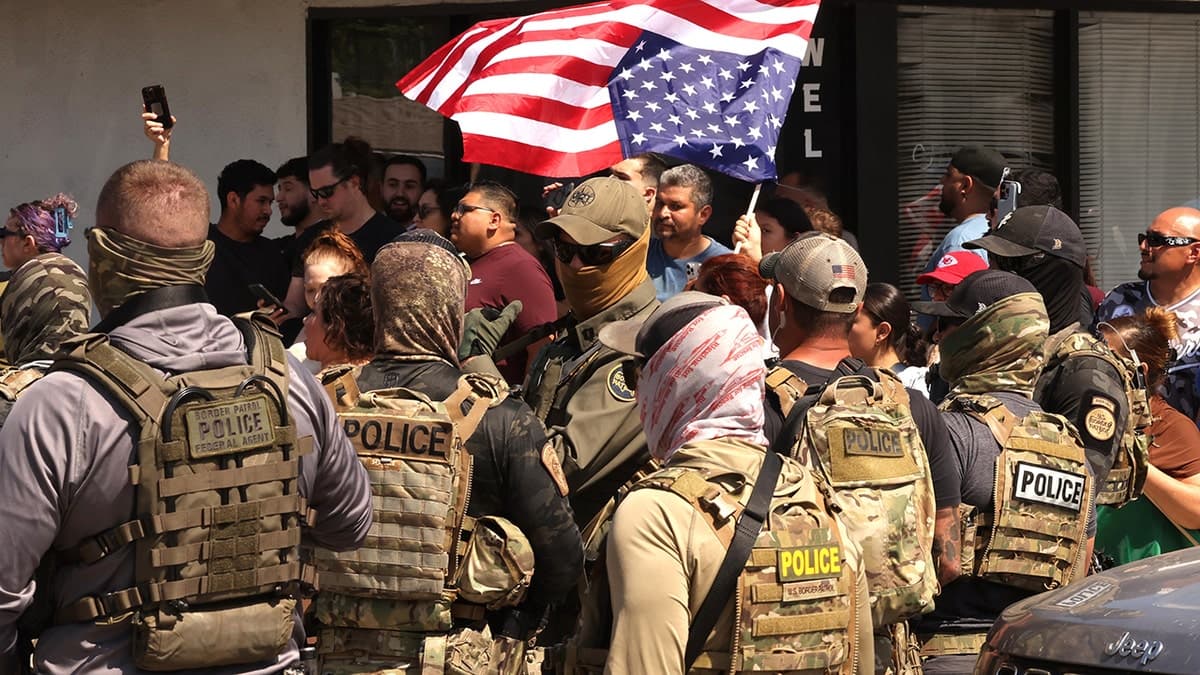
CIA violated its charter by conducting domestic surveillance on 300,000 Americans, infiltrating peace groups and maintaining files on protesters. Program ran from 1967-1974 despite legal prohibitions.
“CIA operations are focused overseas and do not target American citizens domestically”
From “crazy” to confirmed
The Claim Is Made
This is the moment they called it crazy.
The government said it wasn't spying on American citizens. The government was lying.
Between 1967 and 1974, the Central Intelligence Agency ran a program called Operation CHAOS that systematically monitored, infiltrated, and maintained detailed files on approximately 300,000 Americans. Most of them were simply exercising their constitutional right to protest the Vietnam War. This wasn't theoretical surveillance—it was a documented, sustained effort to track dissidents on American soil, something the CIA was explicitly prohibited from doing.
The anti-war movement of the 1960s and early 1970s represented one of the largest sustained protests in American history. Millions of citizens questioned whether the war in Vietnam served national interests or reflected some deeper government agenda. Activists organized demonstrations, wrote manifestos, and demanded accountability from elected officials. They did what dissidents are supposed to do in a democracy: they challenged power.
The government's initial response was dismissive. Officials insisted that the CIA operated exclusively overseas and had no domestic mandate. When questions arose about the agency's activities at home, spokespeople maintained that any domestic surveillance was incidental to foreign intelligence gathering. The message was clear: don't worry, the system has safeguards. Congress created those safeguards specifically because lawmakers understood the danger of unchecked domestic spying.
What made Operation CHAOS remarkable—and damning—wasn't just that it happened, but that the CIA documented it. The agency kept records. It filed reports. It maintained files on hundreds of thousands of people whose only documented crime was political disagreement. These weren't shadowy allegations whispered decades later. When Operation CHAOS was exposed, the CIA's own files provided the evidence of the violation.
Get the 5 biggest receipts every week, straight to your inbox — plus an exclusive PDF: The Top 10 Conspiracy Theories Proven True in 2025-2026. No spam. No agenda. Just the papers they couldn't hide.
You just read "Operation CHAOS illegally spied on American anti-war protest…". We send ones like this every week.
No one's said anything yet. Be the first to drop your take.
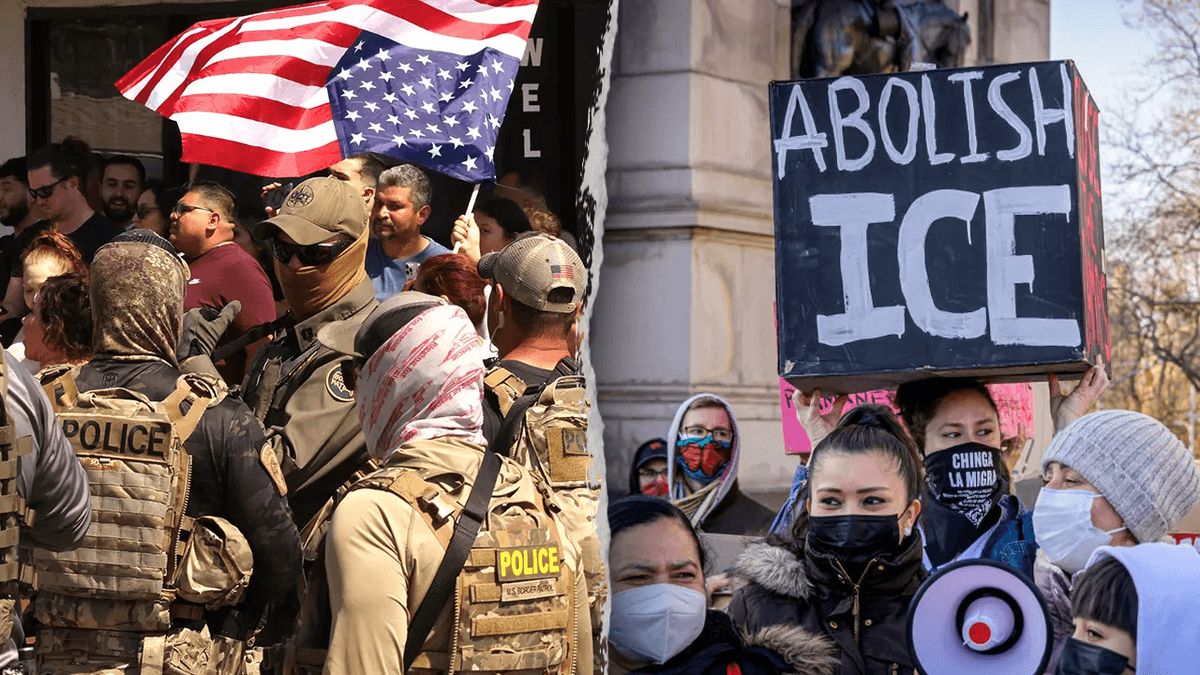
The program targeted specific organizations: Students for a Democratic Society, the Black Panther Party, various peace groups, and countless smaller activist organizations. CIA agents infiltrated meetings, posed as members, and reported back on conversations and planning sessions. The agency maintained dossiers on individuals based solely on their political activities and associations. This wasn't reactive intelligence gathering—it was proactive political surveillance masquerading as national security work.
The documentation came to light through official channels. Congressional investigations, particularly the Pike Committee and Church Committee in the mid-1970s, examined intelligence agency overreach and discovered Operation CHAOS. The CIA's own records, now available in the CIA Reading Room, confirm the scope and systematic nature of the program. There is no ambiguity about whether this happened. The argument is only about whether it was justified.
What makes Operation CHAOS matter today goes beyond historical interest. It demonstrates that warnings about unchecked government power aren't paranoid speculation—they're lessons from documented history. The safeguards that were supposed to prevent this kind of abuse clearly failed. Congress passed laws explicitly prohibiting CIA domestic surveillance, and the CIA violated those laws anyway. When caught, the institution faced no serious consequences.
The broader lesson is uncomfortable: if the government has the technical capacity to monitor citizens and believes it has sufficient justification, it will do so. Legal prohibitions matter less than we typically assume. Operation CHAOS proves that citizens who question government policy shouldn't dismiss concerns about surveillance as conspiracy thinking. They should remember that the government has done exactly this before, that it documented the doing, and that the documents are still available to read.
Unlikely leak
Only 9.8% chance this would come out. It did.
Conspirators
~500Large op
Secret kept
51.4 years
Time to 95% exposure
500+ years