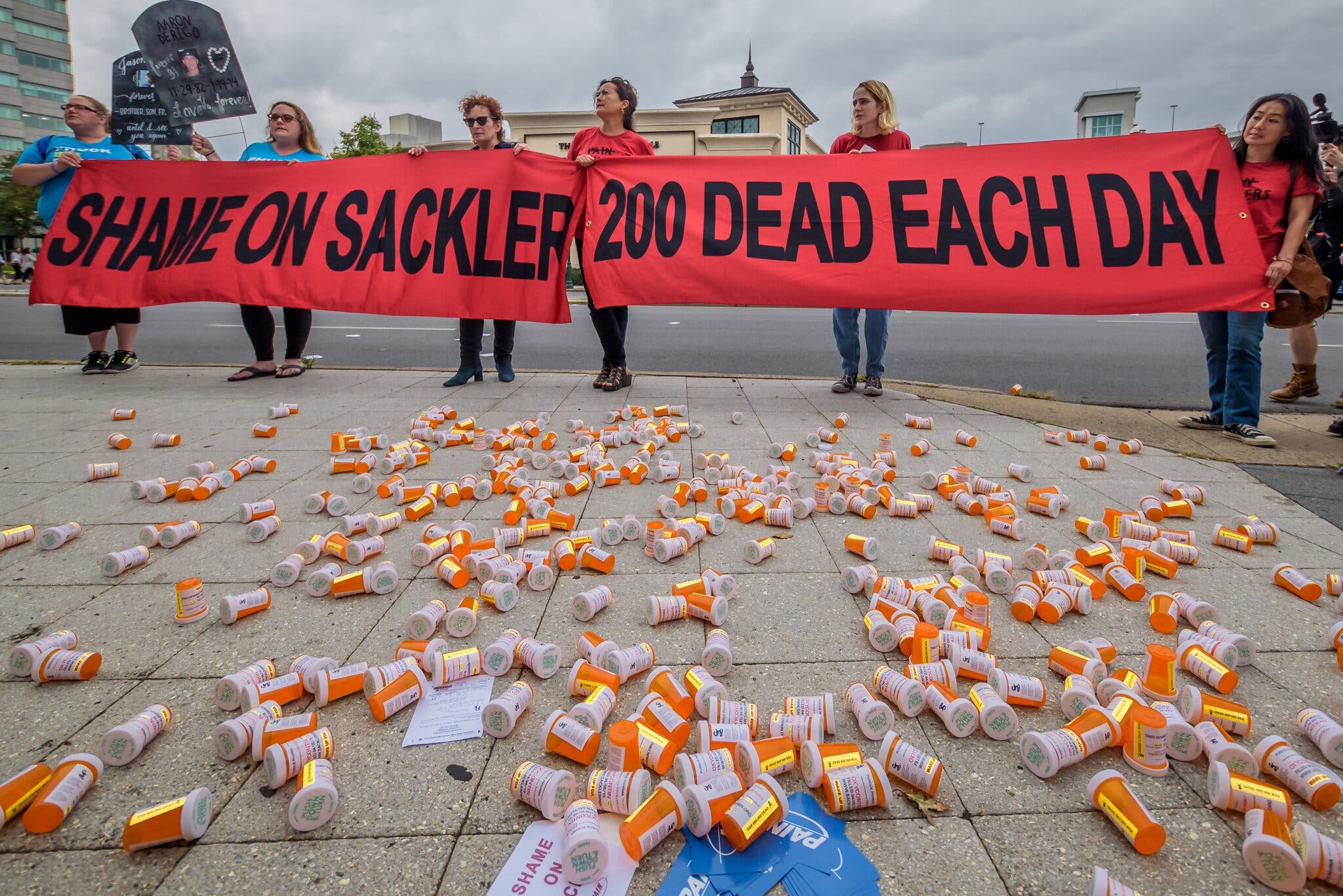
Internal Purdue Pharma emails revealed Richard Sackler called opioid victims 'reckless criminals' and 'scum of the earth' while his company aggressively marketed OxyContin as having low addiction risk. Sales reps used the words 'street value', 'crush', or 'snort' in 117 internal notes. The result: over 500,000 Americans dead from opioid overdoses. Purdue paid $8.3 billion in settlements.
“We have to hammer on the abusers in every way possible. They are the culprits and the problem. They are reckless criminals.”
From “crazy” to confirmed
The Claim Is Made
This is the moment they called it crazy.
When Purdue Pharma introduced OxyContin to the market in 1996, it came with a promise: a powerful painkiller with a low risk of addiction. The company's sales representatives fanned across the country, telling doctors that the drug's time-release formula made it safer than other opioids. Patients desperate for pain relief listened. Doctors who trusted pharmaceutical experts prescribed it liberally. Within years, OxyContin had become one of the most widely prescribed medications in America.
But there was a problem buried deep inside the company's files. Internal emails later revealed that Purdue's executives knew something very different from what they were telling the public.
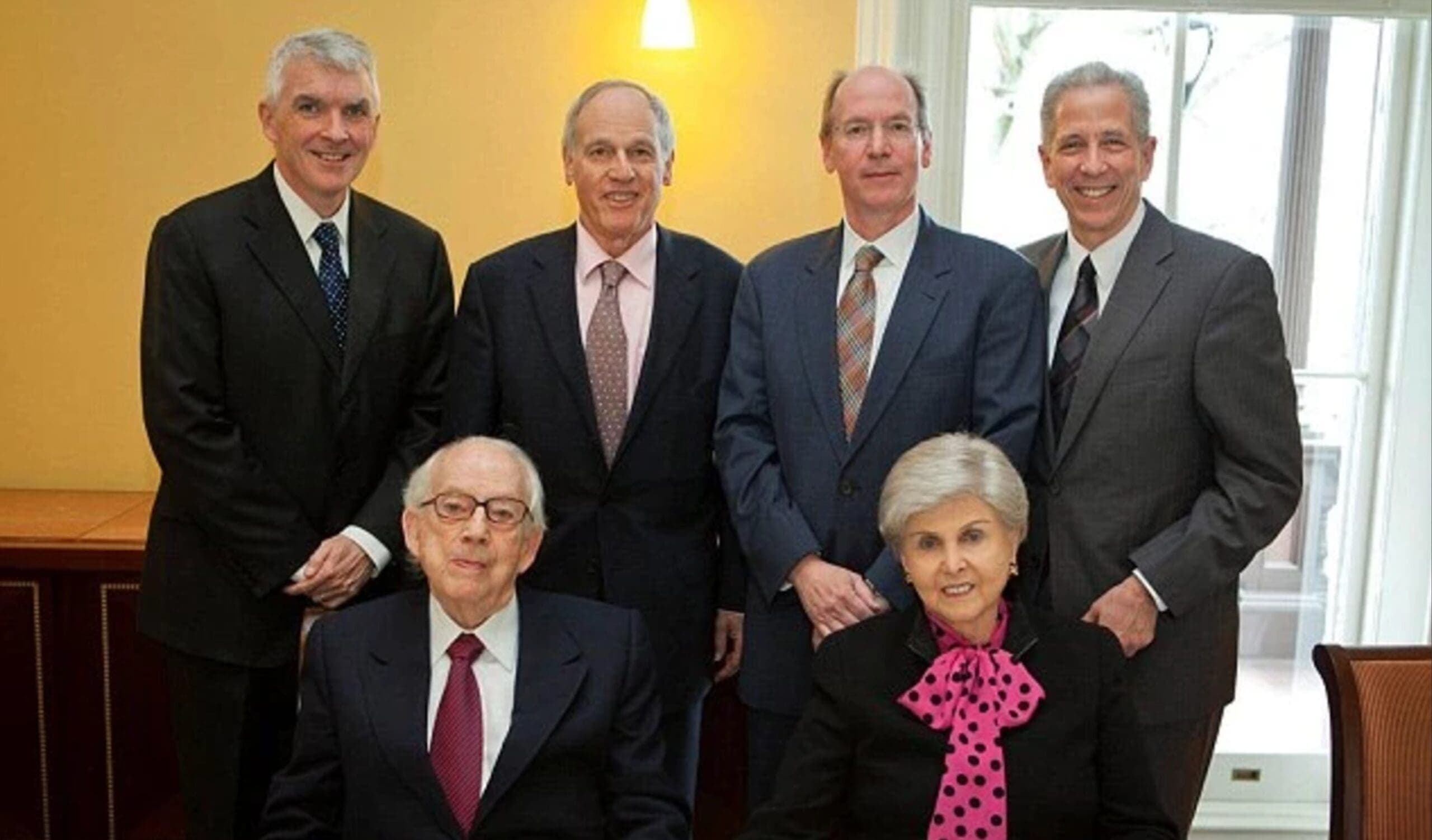
Richard Sackler, a member of the family that owned Purdue Pharma, referred to opioid addiction victims as "reckless criminals" and "scum of the earth" in company correspondence. Meanwhile, the marketing machinery he helped oversee was deliberately downplaying addiction risks to doctors and patients. Sales representatives were trained to use coded language—mentioning "street value," "crush," and "snort" in 117 internal notes—acknowledging in private what they denied in public: this drug could be abused, and people would seek it out.
For years, Purdue and the Sackler family dismissed accusations of wrongdoing. When regulators and advocates raised concerns about addiction rates, the company claimed they were being unfairly targeted. They funded research, sponsored educational programs, and quietly settled lawsuits without admitting fault. The official position was clear: Purdue bore no responsibility for how their product was used.
Get the 5 biggest receipts every week, straight to your inbox — plus an exclusive PDF: The Top 10 Conspiracy Theories Proven True in 2025-2026. No spam. No agenda. Just the papers they couldn't hide.
You just read "The Sackler family knew OxyContin was highly addictive and m…". We send ones like this every week.
No one's said anything yet. Be the first to drop your take.
Confirmed: They Were Right
The truth comes out. Officially documented.
Confirmed: They Were Right
The truth comes out. Officially documented.
Then came the documents. Investigations by journalists, regulators, and prosecutors uncovered the internal emails and notes that contradicted everything the company had publicly stated. These weren't accusations or theories—they were the company's own words, preserved in corporate archives. The evidence showed a coordinated effort to misrepresent OxyContin's addiction potential while executives privately acknowledged the reality.
The numbers that followed were staggering. Over 500,000 Americans have died from opioid-related overdoses since OxyContin's release, with the drug playing a central role in triggering one of the deadliest public health crises in modern history. The human cost extended far beyond deaths—millions struggling with addiction, families destroyed, communities devastated.
In 2020, Purdue Pharma agreed to an $8.3 billion settlement, though this came only after years of litigation and continued resistance. The Sackler family faced increasing scrutiny, with their name being removed from institutions and buildings they had previously donated to with impunity.
This case matters because it reveals how institutional knowledge and public claims can diverge so dramatically when profit is at stake. It shows that even when warning signs exist, even when internal documents prove wrongdoing, accountability can take decades to arrive. The Sackler family case demonstrates that "they knew"—and what they knew, they actively concealed. For public trust in pharmaceutical companies and regulators alike, that knowledge demands reckoning.
Beat the odds
This had a 2.9% chance of leaking — someone talked anyway.
Conspirators
~300Network
Secret kept
24.8 years
Time to 95% exposure
500+ years