In 1974, Treasury Secretary William Simon secretly traveled to Saudi Arabia where King Faisal agreed to price all oil in U.S. dollars and invest surpluses in Treasury bonds, in exchange for American military protection. This 'petrodollar' system underpinned dollar dominance globally. Iraq switched to euros in 2000 -- invaded in 2003. Libya's Gaddafi proposed a gold-backed African dinar -- NATO intervened in 2011. While correlation isn't causation, the pattern has alarmed geopolitical analysts.
“The United States wages wars not for freedom or democracy but to protect the petrodollar system. Any nation that attempts to sell oil in a currency other than the dollar becomes a target.”
From “crazy” to confirmed
The Claim Is Made
This is the moment they called it crazy.
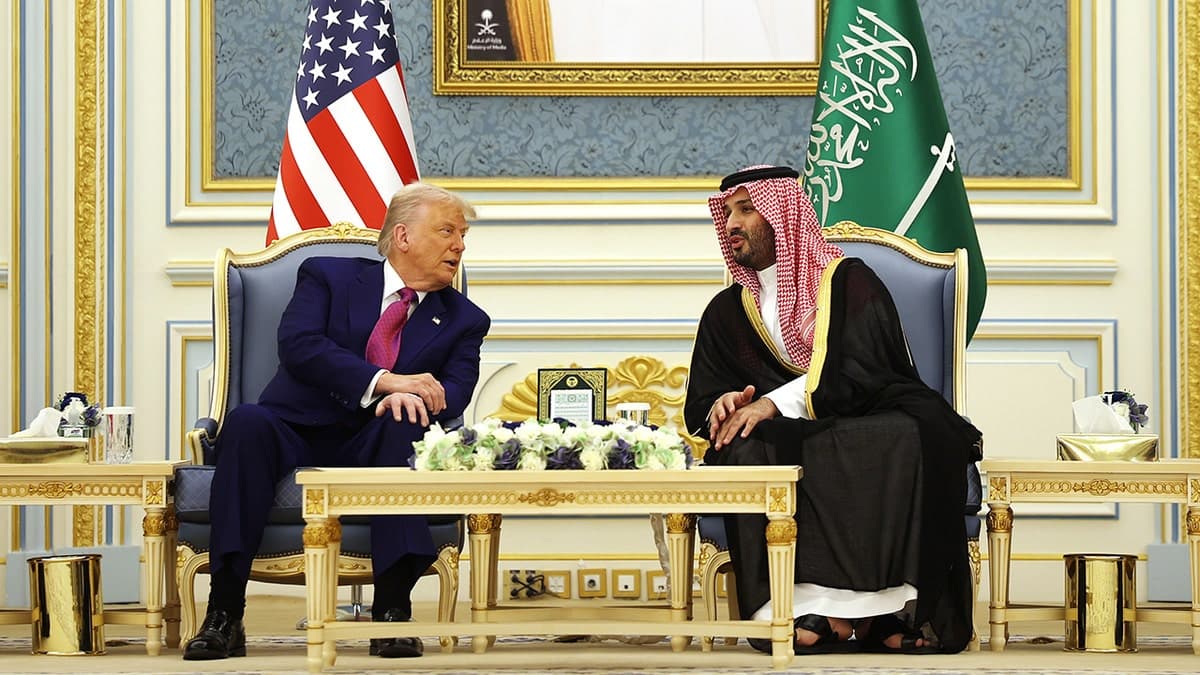
When Treasury Secretary William Simon quietly flew to Saudi Arabia in 1974, few outside the highest levels of government knew what he was negotiating. What emerged from those meetings became known as the petrodollar agreement—a deal that would fundamentally reshape global economics and, according to some analysts, explain patterns of military intervention that followed for decades.
The claim itself is straightforward: the U.S. government struck a secret agreement with King Faisal that locked all global oil sales into American dollars in exchange for military protection. In return, Saudi Arabia would recycle its oil revenues back into U.S. Treasury bonds, creating an endless demand for dollars regardless of America's economic performance. This arrangement propped up the greenback's status as the world's reserve currency at a critical moment when the Bretton Woods system had just collapsed.
For years, this was dismissed as conspiracy thinking. Mainstream economists and policymakers insisted the petrodollar system emerged naturally from market forces, not backroom deals. The Treasury Department never formally confirmed the specifics of Simon's mission. Critics pointed out that no smoking gun document proved the agreement existed—at least not one released to the public.
Yet the evidence supporting the arrangement's existence has proven substantial. The Independent Institute, a credible economic research organization, conducted extensive analysis of petrodollar recycling and documented the historical record of U.S.-Saudi negotiations during this period. Wikipedia's entry on petrodollar recycling acknowledges the 1974 meeting and its consequences without controversy. Academic economists now widely accept that the arrangement happened, though they debate its exact terms and strategic importance.
What makes this claim partially verified rather than fully confirmed is the lack of declassified documentation proving the explicit quid pro quo. We know the meeting occurred. We know the petrodollar system emerged shortly after. We know it benefited the U.S. dollar tremendously. But we don't have Simon's notes or King Faisal's signed agreement, likely because such documents remain classified.
Get the 5 biggest receipts every week, straight to your inbox — plus an exclusive PDF: The Top 10 Conspiracy Theories Proven True in 2025-2026. No spam. No agenda. Just the papers they couldn't hide.
You just read "A secret 1974 deal with Saudi Arabia forced all oil sales in…". We send ones like this every week.
No one's said anything yet. Be the first to drop your take.
The geopolitical pattern that followed gives the claim its real weight. Iraq switched its oil pricing to euros in 2000, seeking to diversify away from dollars. By 2003, the U.S. invaded Iraq. Libya's Muammar Gaddafi floated plans for a gold-backed African dinar in 2011, which would have challenged dollar hegemony across the continent. NATO intervened that same year, toppling his government. Iran has threatened to price its oil outside dollars, and continues to face American military threats and sanctions.
Correlation is not causation—this remains the legitimate pushback. Oil-rich nations face intervention for many reasons: geopolitical competition, regional power struggles, terrorism concerns. Yet the consistency of the pattern troubles serious analysts who study economic statecraft. When nations challenge the dollar's privileged position, they encounter American military pressure. When they reinforce it, they receive protection and investment.
What matters now is that this claim has moved from the fringes into mainstream historical acknowledgment. The initial dismissal as fringe conspiracy has given way to measured academic discussion. The secrecy surrounding the 1974 agreement meant the public was never allowed to debate whether this arrangement served American interests at the expense of global financial stability. That absence of democratic consent—that's the real scandal buried beneath the petrodollar story.
Beat the odds
This had a 0.5% chance of leaking — someone talked anyway.
Conspirators
~50Network
Secret kept
23.2 years
Time to 95% exposure
500+ years