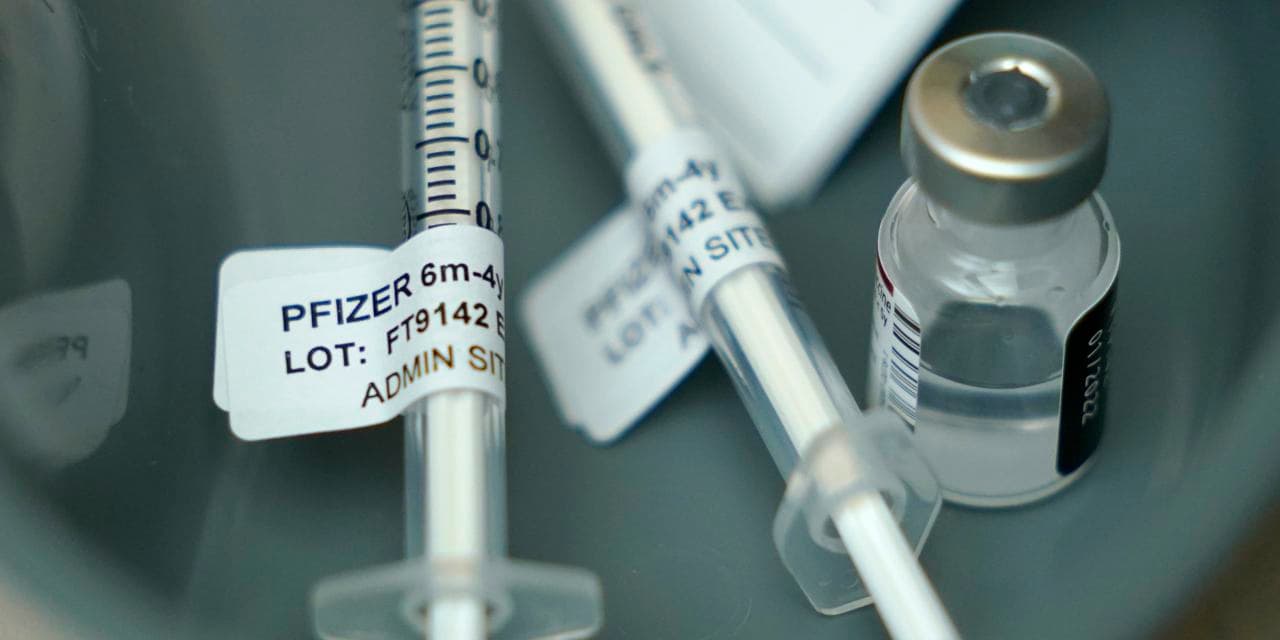
Brook Jackson, a regional director at Ventavia Research Group (a Pfizer subcontractor), filed a complaint with the FDA in September 2020 reporting data integrity issues at her trial site including falsified data, unblinded patients, inadequately trained vaccinators, and failure to follow up on adverse events. The BMJ investigated and corroborated her claims. The FDA did not inspect Ventavia's site. Her False Claims Act lawsuit was dismissed on procedural grounds.
“The Pfizer vaccine clinical trial had serious data integrity violations that were reported to the FDA and ignored.”
What they said vs. what the evidence shows
“The allegations relate to a single trial site and do not raise concerns about the overall integrity of the data or the conclusions of the study.”
— Pfizer Spokesperson · Nov 2021
SourceFrom “crazy” to confirmed
The Claim Is Made
This is the moment they called it crazy.
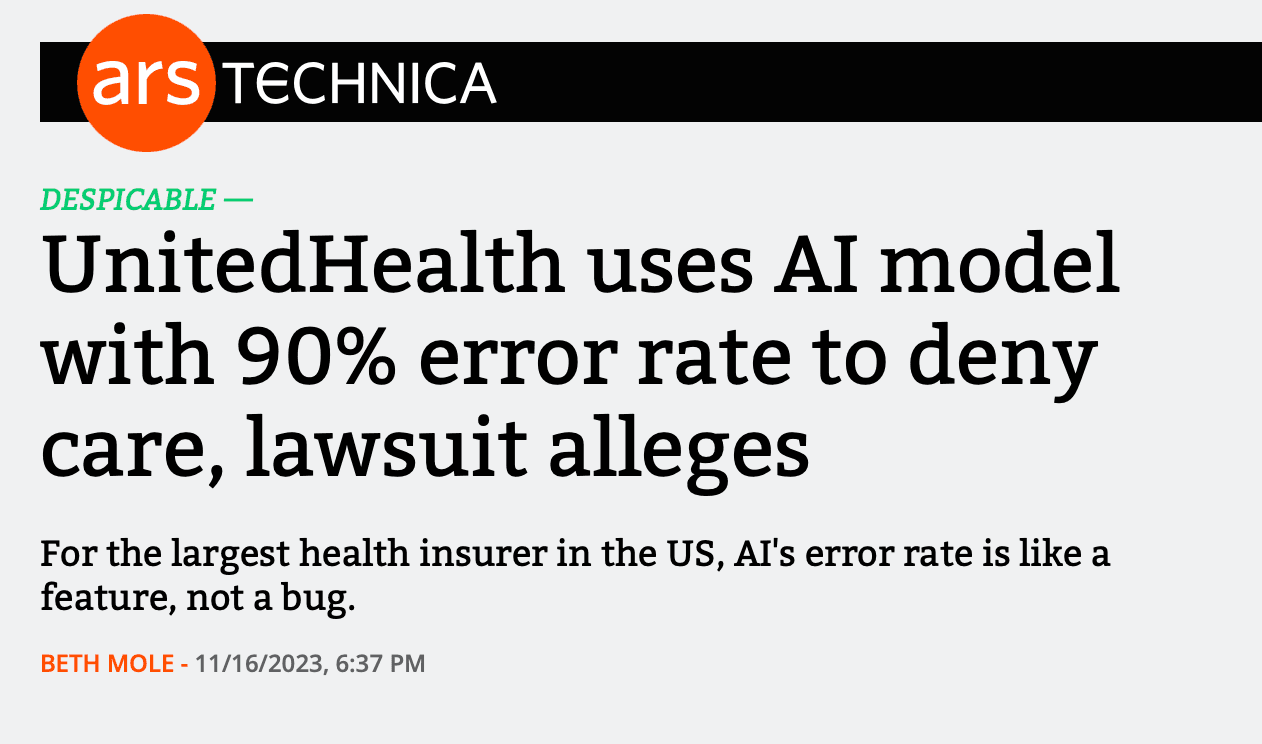
In September 2020, while the world waited anxiously for COVID-19 vaccines, a regional director at a clinical trial site filed a complaint that would raise uncomfortable questions about the data underpinning one of the most critical pharmaceutical approvals in modern history. Brook Jackson, who worked for Ventavia Research Group—a company contracted by Pfizer to run one of its vaccine trial sites—reported serious problems to the FDA. Her complaints were specific: falsified data, patients who knew which vaccine they received despite the trial being supposed to be "blind," vaccinators without adequate training, and adverse events that weren't properly followed up on.
Jackson wasn't a random critic making vague accusations. She had direct access to trial operations and documented what she observed. She filed her complaint through official channels, expecting the regulatory machinery to respond. Instead, the FDA never inspected Ventavia's site. Jackson's employment was terminated shortly after she raised her concerns.
For years, her allegations remained largely unknown outside regulatory circles. Then in 2021, the British Medical Journal decided to investigate. Reporter Paul Thacker and his team contacted current and former employees of Ventavia and reviewed documents from Jackson's complaint. What they found aligned with what Jackson had reported: trial data problems were real. The BMJ's investigation didn't prove every detail, but it corroborated enough of her core claims that the story became difficult to dismiss.
Jackson also pursued a legal remedy through a False Claims Act lawsuit, a mechanism that allows whistleblowers to sue contractors they believe defrauded the government. That case was dismissed on procedural grounds—a technical defeat rather than a verdict on the substance of her claims. The court's decision meant the allegations never received a full hearing in litigation.
Get the 5 biggest receipts every week, straight to your inbox — plus an exclusive PDF: The Top 10 Conspiracy Theories Proven True in 2025-2026. No spam. No agenda. Just the papers they couldn't hide.
You just read "Pfizer COVID vaccine trial site had data integrity problems,…". We send ones like this every week.
No one's said anything yet. Be the first to drop your take.
Confirmed: They Were Right
The truth comes out. Officially documented.
Confirmed: They Were Right
The truth comes out. Officially documented.
This is where the story becomes genuinely important. Pfizer's vaccine was authorized for emergency use based on trial data. If data integrity problems existed at even one trial site—and particularly if they were overlooked by regulators—it raises questions about the robustness of the approval process. This doesn't mean the vaccine is unsafe; millions of doses have been administered with documented safety profiles. But it does mean something about how we conducted the approval was flawed.
The partial verification matters because it sits in an uncomfortable middle ground. Jackson's claims weren't entirely debunked, but they also weren't fully validated in a court of law or through comprehensive regulatory investigation. The FDA's failure to inspect Ventavia despite a formal complaint raises questions about regulatory oversight capacity. The BMJ investigation provided independent corroboration but wasn't exhaustive.
What this case illustrates is that institutional responses to whistleblowers during emergencies often fail. Jackson followed procedures. She documented problems. She reported to the right agency. And nothing happened until a journalist decided to ask questions. For public trust in pharmaceutical regulation, that's the real issue. When serious allegations about trial conduct go uninvestigated and whistleblowers face termination, it doesn't matter whether the ultimate product is safe or not. The process appears compromised.
The question isn't whether Pfizer's vaccine works—the evidence on efficacy is solid. The question is whether we've built systems that can actually catch and address data integrity problems when they're flagged. Jackson's experience suggests we haven't.
Beat the odds
This had a 0.1% chance of leaking — someone talked anyway.
Conspirators
~300Network
Secret kept
1.1 years
Time to 95% exposure
500+ years