The Paycheck Protection Program was designed with almost no fraud prevention in a rush to distribute $800+ billion. The SBA inspector general estimated $64 billion was stolen outright, while the SBA flagged $189 billion in loans for review. One official described 'absolutely no security' and 'no validation of any information.' Fake businesses were registered from state websites. The SBA suspended 111,620 California borrowers alone for suspected fraud totaling $8.6 billion. It was called 'the biggest fraud in a generation.'
“The PPP loan program has been designed in a way that practically invites massive fraud. There is no verification, no oversight, and billions are being stolen.”
From “crazy” to confirmed
The Claim Is Made
This is the moment they called it crazy.
When the federal government needed to move fast in spring 2020, it chose speed over security. The Paycheck Protection Program was supposed to keep small businesses afloat during pandemic shutdowns, but instead it became what officials would later call "the biggest fraud in a generation."
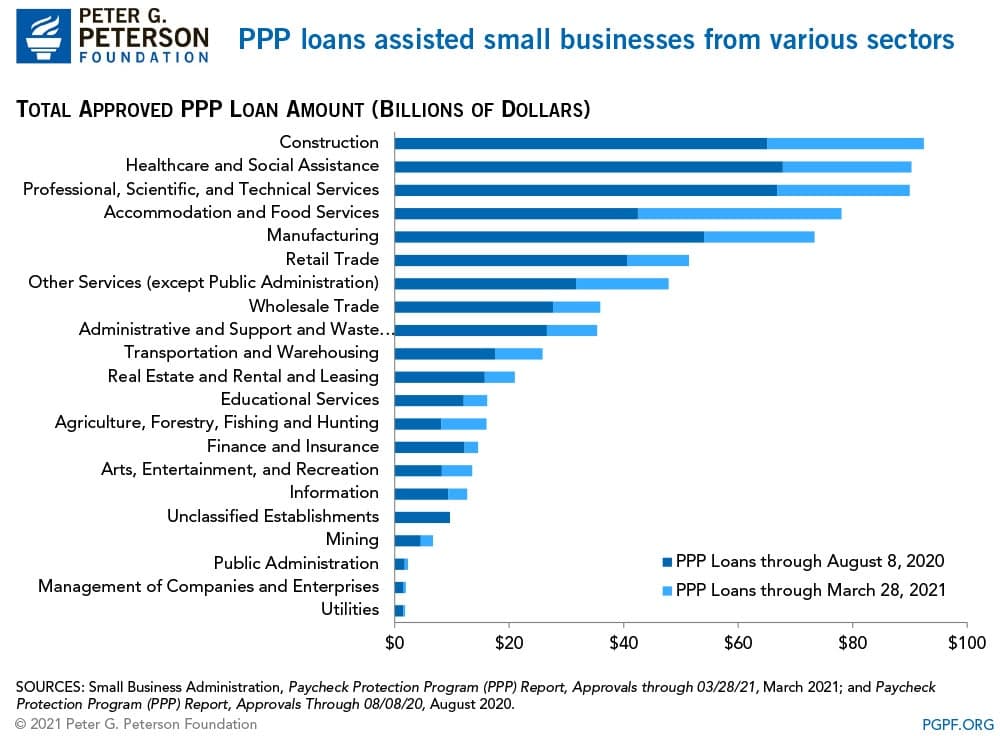
The claim that massive fraud plagued the PPP wasn't controversial at the time—it was barely noticed. As the Small Business Administration rushed to distribute more than $800 billion in forgivable loans, the program operated with virtually no verification systems. One official described the operation bluntly: there was "absolutely no security" and "no validation of any information." Fake businesses registered themselves using state websites and received checks within days.
Initially, the federal government's response was reassurance. Officials insisted the program was working as intended, that any fraud would be minimal and catchable later. The focus remained on speed—the program distributed funds faster than any government initiative in history. Concerns about loose controls were treated as secondary to the urgent need to prop up the economy.
But the numbers eventually told a different story. The SBA's inspector general estimated that $64 billion in PPP funds were stolen outright through fraudulent applications. A separate accounting flagged $189 billion in loans for further review due to suspected fraud. California alone saw the SBA suspend 111,620 borrowers suspected of fraud, representing $8.6 billion in questionable loans. These weren't rounding errors or statistical anomalies—they were systematic failures at a scale rarely seen in American government.
The evidence revealed how thoroughly the program lacked basic safeguards. Criminals registered shell companies, applied for loans in fake names, and exploited the fact that the SBA wasn't cross-referencing applications against basic databases. Some borrowed money while serving prison sentences. Others used the same bank accounts to file multiple applications. The system was so porous that investigators later wondered not why so much fraud occurred, but why more didn't.
Get the 5 biggest receipts every week, straight to your inbox — plus an exclusive PDF: The Top 10 Conspiracy Theories Proven True in 2025-2026. No spam. No agenda. Just the papers they couldn't hide.
You just read "Up to $200 billion in PPP pandemic loans were fraudulently o…". We send ones like this every week.
No one's said anything yet. Be the first to drop your take.
Confirmed: They Were Right
The truth comes out. Officially documented.
Confirmed: They Were Right
The truth comes out. Officially documented.
NBC News and the Project on Government Oversight documented how the architecture of the fraud was baked into the program from inception. Loan officers weren't required to verify applicant identity. Banks processing applications faced incentives to move quickly rather than thoroughly. The SBA lacked the computational tools to identify duplicate or suspicious applications until months later. These weren't oversights—they were conscious choices made to accelerate distribution.
What makes this claim significant isn't just the dollar amount, though $200 billion stolen represents one of the largest fraud episodes in federal history. It's what it reveals about institutional capacity under pressure. When officials chose velocity over verification, they essentially invited theft. The program wasn't sabotaged by bad actors—it was designed in a way that made fraud the path of least resistance.
The implications extend beyond pandemic relief. Government agencies learned that speed and security exist in tension, and that acknowledging fraud risks isn't weakness—it's the foundation of accountability. The PPP fraud wasn't a failure of the program's concept but of its execution. And that execution reflected real choices made by real people who prioritized distribution over due diligence.