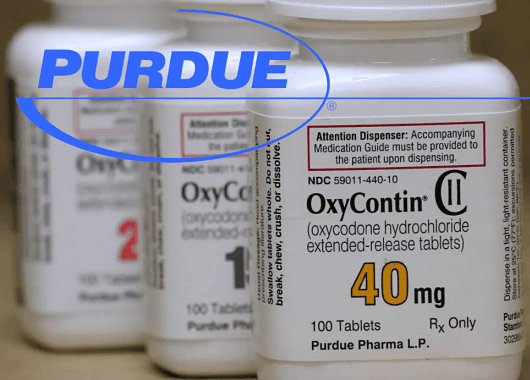
Internal Purdue documents showed executives knew OxyContin's 12-hour relief claims were false and the drug was highly addictive. They aggressively marketed to doctors while concealing addiction data and blame-shifting to patients.
“OxyContin provides 12 hours of relief and has a lower abuse potential than other opioids”
From “crazy” to confirmed
The Claim Is Made
This is the moment they called it crazy.
When OxyContin hit the market in 1996, Purdue Pharma's sales pitch was straightforward: a breakthrough painkiller that would revolutionize chronic pain management and, crucially, resist abuse. Doctors were told the extended-release formulation made addiction unlikely. Patients were promised relief without the risks associated with traditional opioids. The company's marketing was so effective that prescriptions skyrocketed, transforming OxyContin into a blockbuster drug and making Purdue one of America's most profitable pharmaceutical companies.
For years, anyone who suggested Purdue knew otherwise was dismissed as paranoid or anti-pharmaceutical. The company maintained a public stance of responsibility and scientific integrity. When addiction rates began climbing and overdose deaths mounted, Purdue's executives blamed patient misuse rather than the drug's properties or their own marketing practices. They suggested addiction was a problem of individual weakness, not pharmaceutical design.
But internal documents that emerged during legal proceedings told a radically different story. Emails and memos revealed that Purdue's own scientists had concluded OxyContin's 12-hour dosing claims were not supported by evidence. Some patients experienced pain relief wearing off after eight hours, yet the company continued marketing the drug as a 12-hour solution. Worse, executives knew their extended-release mechanism didn't actually prevent abuse—users could simply crush the pills to defeat the safety feature.
The company's own addiction data, kept largely confidential, showed alarming patterns that contradicted their public assurances. Rather than integrating this knowledge into safer marketing practices or warning labels, Purdue launched an aggressive campaign targeting primary care doctors with financial incentives and minimized addiction warnings. Sales representatives were trained to downplay addiction risks when speaking with physicians.
Get the 5 biggest receipts every week, straight to your inbox — plus an exclusive PDF: The Top 10 Conspiracy Theories Proven True in 2025-2026. No spam. No agenda. Just the papers they couldn't hide.
You just read "Purdue Pharma knew OxyContin was highly addictive but market…". We send ones like this every week.
No one's said anything yet. Be the first to drop your take.
One particularly damning piece of evidence came from internal documents showing Purdue executives discussing how to manage the "bad news" of addiction reports. They adopted a strategy of blame-shifting: when patients became addicted, the problem was reframed as patient non-compliance or misuse rather than the drug's properties or their misleading marketing. This allowed the company to maintain its public image while profits continued to climb.
The Los Angeles Times's investigation into the OxyContin trials documented how these internal documents systematically dismantled Purdue's claims of ignorance. Executive emails showed they understood the addiction risk. Sales data showed they knew which doctors were prescribing at dangerous levels. Yet the marketing never stopped, and the warnings never came.
This matters because it represents a fundamental breach of the social contract between pharmaceutical companies and the public. Doctors prescribe based on manufacturer claims. Patients trust those claims. When companies deliberately obscure evidence of danger to maximize profits, they aren't just breaking laws—they're poisoning the well of medical trust itself.
The OxyContin case proves that "they knew" isn't always paranoid speculation. Sometimes the conspiracy is real, documented, and hiding in plain sight on corporate hard drives. The question now is whether this level of accountability will prevent similar cases or whether it will simply become another cautionary tale that gets filed away while other industries calculate their acceptable litigation costs.
Beat the odds
This had a 0.4% chance of leaking — someone talked anyway.
Conspirators
~100Network
Secret kept
10 years
Time to 95% exposure
500+ years