Court documents revealed Sackler family members personally directed Purdue's aggressive opioid marketing strategies while privately acknowledging addiction risks.
“The Sackler family had no operational role in Purdue's marketing decisions”
From “crazy” to confirmed
The Claim Is Made
This is the moment they called it crazy.
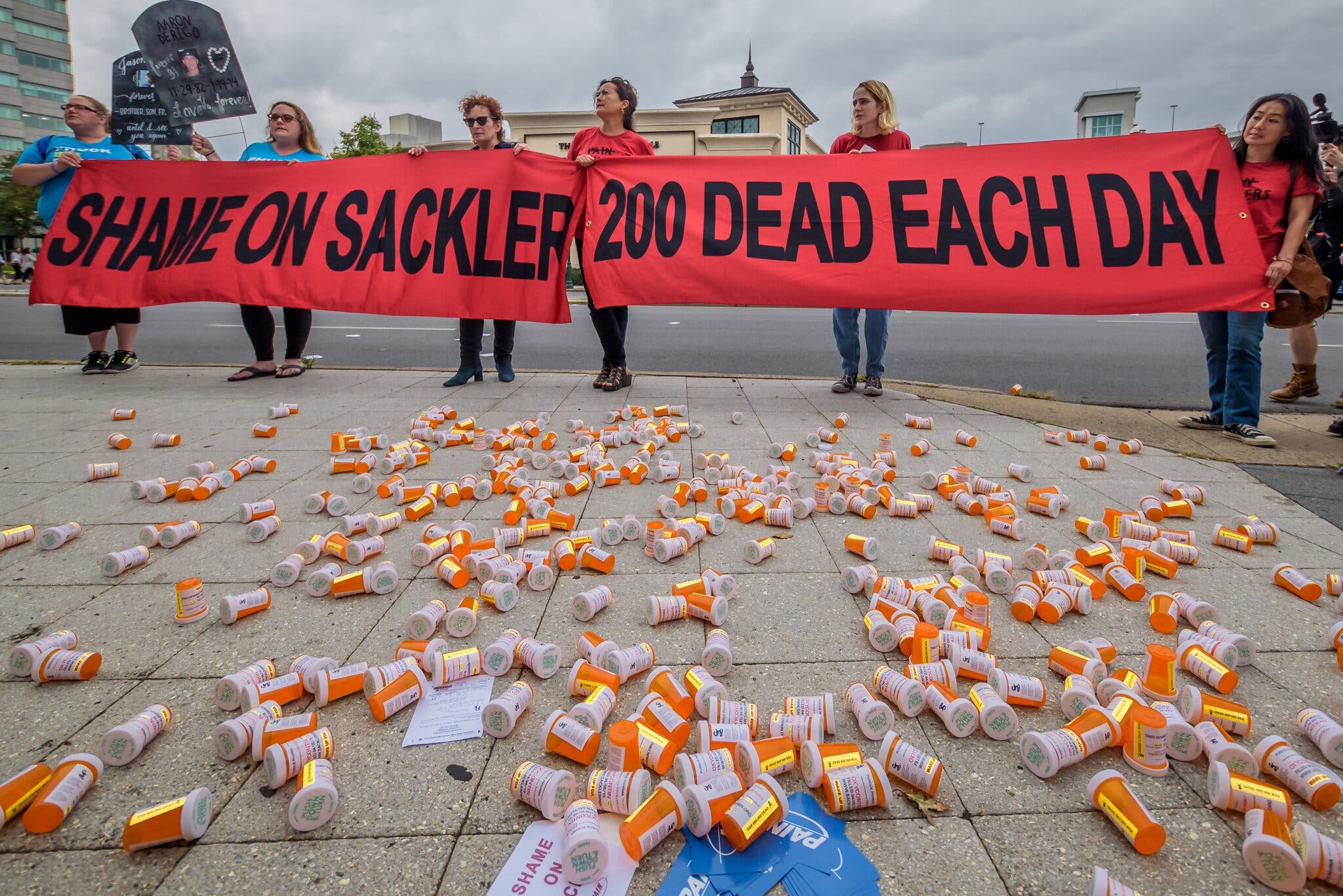
The story of OxyContin's rise reads like a case study in pharmaceutical malfeasance, but for years the full scope of the Sackler family's involvement remained largely hidden behind corporate layers. What we now know, thanks to court filings and legal discovery, is that members of the billionaire dynasty didn't simply oversee a company that made bad decisions—they actively orchestrated the aggressive marketing of a drug while privately acknowledging its addiction potential.
For decades, the official narrative from Purdue Pharma and the Sackler family was straightforward: they were merely responding to market demand for pain management. Yes, addiction had become a problem, they conceded, but that was an unfortunate consequence nobody predicted. Regulatory agencies hadn't warned them sufficiently. Doctors were prescribing too liberally. The crisis was complex, systemic, everyone's fault but theirs.
But court documents revealed something different. Sackler family members—including Richard Sackler, who served as president of Purdue—personally directed marketing strategies they knew contradicted the actual risks. Internal memos showed family members discussing how to overcome "resistance" among doctors to prescribing opioids at higher doses. They pushed sales tactics specifically designed to minimize addiction concerns in physicians' minds, not because they believed addiction wasn't a problem, but precisely because they knew it was.
Get the 5 biggest receipts every week, straight to your inbox — plus an exclusive PDF: The Top 10 Conspiracy Theories Proven True in 2025-2026. No spam. No agenda. Just the papers they couldn't hide.
You just read "Sackler family directed OxyContin marketing while knowing ad…". We send ones like this every week.
No one's said anything yet. Be the first to drop your take.
One particularly damning finding involved Richard Sackler's involvement in strategic decisions about how to market OxyContin's "abuse-resistant" formulation. Documents showed the family understood this marketing angle was misleading—the drug remained highly addictive—yet they pursued it anyway. They weren't victims of incomplete information. They were architects of a strategy that prioritized profits over public health while possessing private knowledge of the consequences.
The legal proceedings that exposed this weren't straightforward criminal prosecutions. Instead, bankruptcy filings, civil suits, and settlements produced discovery that the family had long hoped to keep confidential. As these court documents entered the public record, the distinction between corporate malfeasance and personal accountability became impossible to ignore.
What makes this case particularly significant is that it represents a specific moment when a conspiracy theory transformed into documented fact. The claim that the Sacklers "knew and did it anyway" wasn't whispered speculation—it became courtroom evidence. Internal communications between family members, strategic memos, and marketing directives provided the receipts.
The broader implications matter enormously. Somewhere between 100,000 and 200,000 Americans died from opioid overdoses related to prescription painkillers in the two decades following OxyContin's release. Those deaths weren't the result of rogue salespeople or isolated bad judgment. They flowed from decisions made at the highest levels of a family business by people with every opportunity to understand what they were doing.
This case matters not because it's unusual—similar patterns exist across industries whenever profit incentives collide with public safety. It matters because the documentation is so clear, the contradictions between public statements and private knowledge so stark, and the human cost so undeniable. When court documents later confirm what critics claimed all along, it reveals something troubling about how long such patterns can persist when institutions and wealth provide sufficient insulation. The question becomes not just whether they knew, but how many others do as well, and what it will take to make that knowledge public.
Beat the odds
This had a 0.8% chance of leaking — someone talked anyway.
Conspirators
~300Network
Secret kept
6.7 years
Time to 95% exposure
500+ years