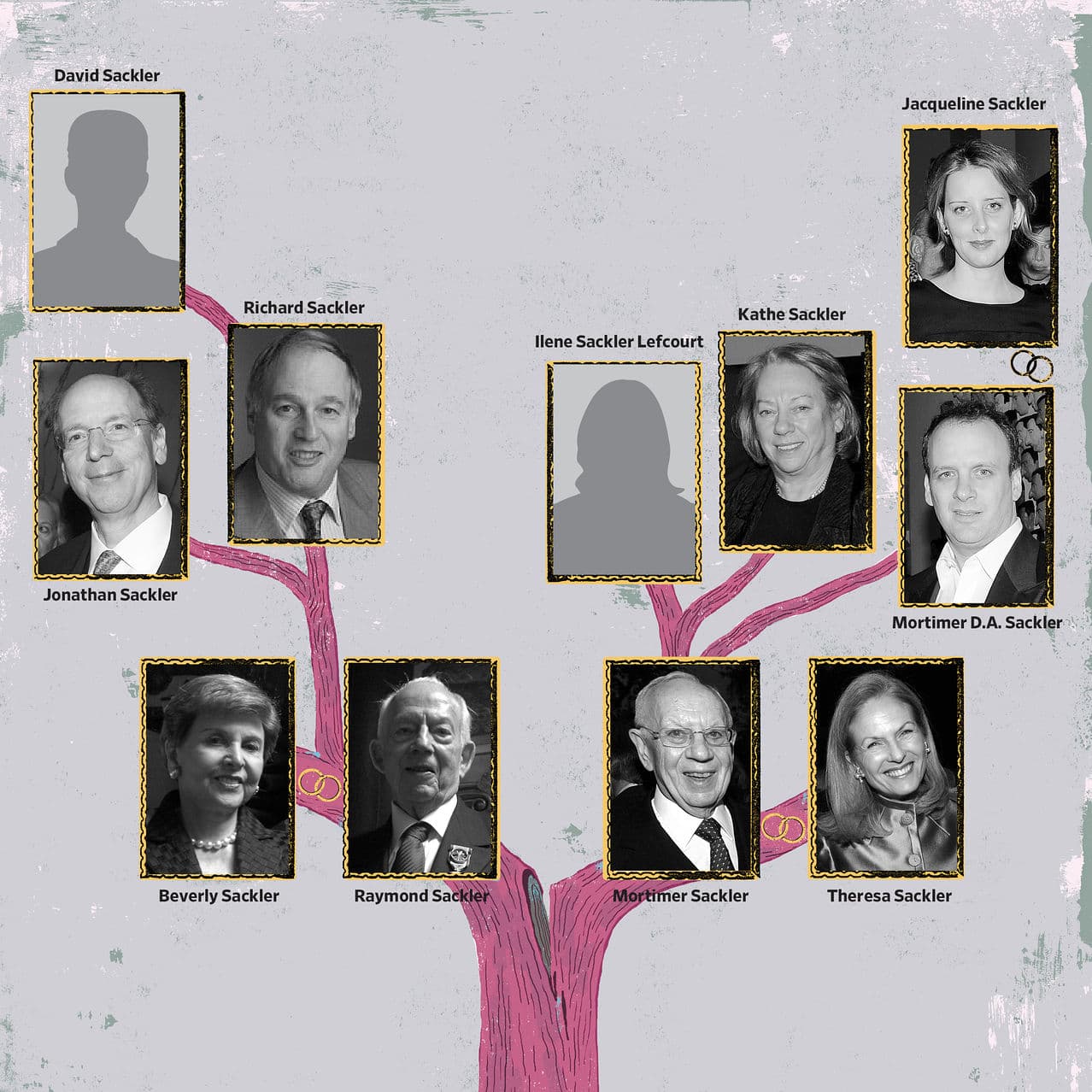
The Sackler family, owners of Purdue Pharma, and consulting firm McKinsey & Company worked together to aggressively market OxyContin while knowing the drug was causing addiction and death. McKinsey proposed plans to 'turbocharge' sales and suggested Purdue pay rebates to pharmacies for OxyContin overdoses. Internal emails showed the Sacklers were directly involved in marketing decisions. The opioid crisis has killed over 500,000 Americans. Purdue pled guilty to felony charges; McKinsey paid $600 million in settlements.
“The Sackler family knowingly pushed OxyContin knowing it was addictive and deadly, and hired McKinsey to help them sell even more. They caused the opioid epidemic for profit.”
What they said vs. what the evidence shows
“OxyContin accounts for less than 2% of the opioid analgesic prescription market. Purdue is committed to being part of the solution to the opioid crisis.”
— Purdue Pharma Spokesperson · Jan 2018
SourceFrom “crazy” to confirmed
The Claim Is Made
This is the moment they called it crazy.
The consulting firm McKinsey & Company built its reputation on solving complex business problems. But newly revealed documents show the firm used that expertise to help Purdue Pharma sell more OxyContin—even as overdoses mounted and addiction spread across America.
For years, the opioid crisis was blamed on individual bad actors and patient misuse. Purdue Pharma, owned by the Sackler family, maintained that it had marketed OxyContin responsibly and that users were simply becoming addicted at higher-than-expected rates. The company and its owners denied any knowledge that their drug was fueling a public health catastrophe. If anything went wrong, they suggested, it was a matter of doctors overprescribing or patients abusing the medication.
The evidence proved otherwise.
In 2020, the Department of Justice released court documents showing that Purdue Pharma had pleaded guilty to felony charges, including conspiracy to defraud the United States. The plea agreement detailed how the company had engaged in a years-long scheme to downplay OxyContin's addictive potential while aggressively pushing sales to doctors. But the most damning revelations came from internal emails and consulting records involving McKinsey.
According to investigative reporting and leaked documents, McKinsey had proposed strategies to "turbocharge" OxyContin sales specifically because the drug generated enormous profits despite—or perhaps because of—its abuse potential. The consulting firm even suggested that Purdue pay rebates to pharmacies for OxyContin overdoses, essentially turning addiction into a business line item. One McKinsey slide presented to company leadership outlined ways to counter concerns and maintain market share.
Get the 5 biggest receipts every week, straight to your inbox — plus an exclusive PDF: The Top 10 Conspiracy Theories Proven True in 2025-2026. No spam. No agenda. Just the papers they couldn't hide.
You just read "The Sackler family and McKinsey conspired to turbocharge Oxy…". We send ones like this every week.
No one's said anything yet. Be the first to drop your take.
Confirmed: They Were Right
The truth comes out. Officially documented.
Confirmed: They Were Right
The truth comes out. Officially documented.
Critically, the Sackler family itself was directly involved in these decisions. They were not passive owners relying on subordinates to run the company. Internal correspondence showed family members participating in marketing strategy sessions and reviewing sales projections even as they were receiving medical evidence about addiction rates. They knew what was happening.
McKinsey settled its involvement in the scheme by paying $600 million in 2021—a significant sum that nonetheless paled in comparison to the damage done. The consulting firm admitted no wrongdoing but agreed to pay the settlement. Purdue Pharma, meanwhile, emerged from bankruptcy with a restructured settlement worth roughly $8 billion, with the Sacklers contributing $225 million while retaining substantial wealth.
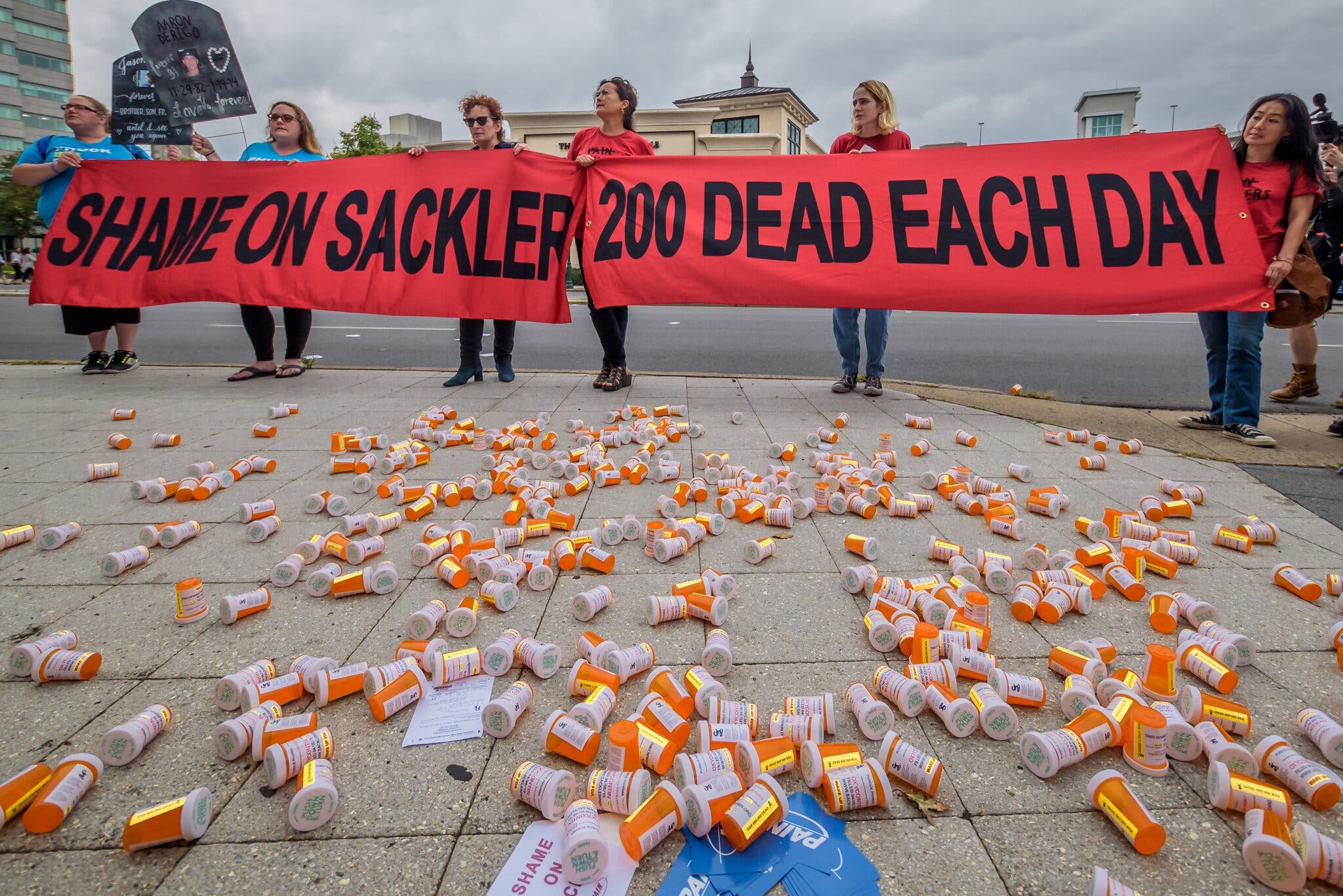
Over 500,000 Americans have died from opioid overdoses since the crisis began. Entire communities have been hollowed out by addiction. The economic cost has reached into the hundreds of billions.
What happened here matters for a simple reason: it reveals how institutional knowledge and professional expertise can be weaponized against public health. McKinsey didn't accidentally help fuel a drug epidemic—the firm deliberately designed strategies to maximize sales of a dangerous product. And one of America's wealthiest families actively participated in and profited from decisions they knew were causing mass harm.
The claims that the Sacklers and McKinsey conspired to turbocharge OxyContin sales were not wild speculation. They were documented in federal court records, internal emails, and settlement agreements. Yet for years, these truths remained obscured behind corporate denials and legal maneuvering. This case is a reminder that sometimes the most consequential conspiracies operate openly, hidden not by secrecy but by the simple confidence of powerful institutions that few will hold them accountable.
Beat the odds
This had a 0.4% chance of leaking — someone talked anyway.
Conspirators
~300Network
Secret kept
3 years
Time to 95% exposure
500+ years