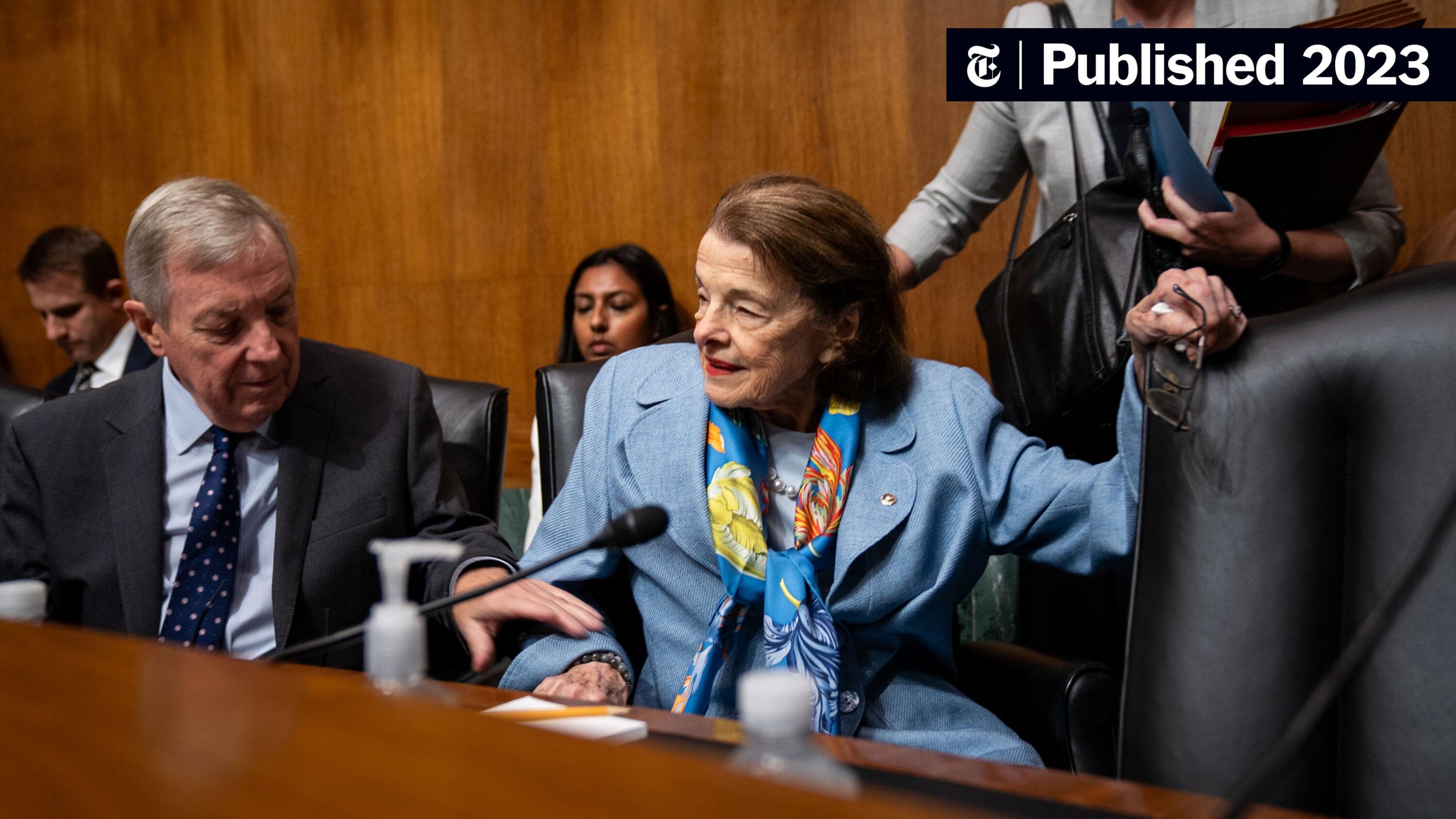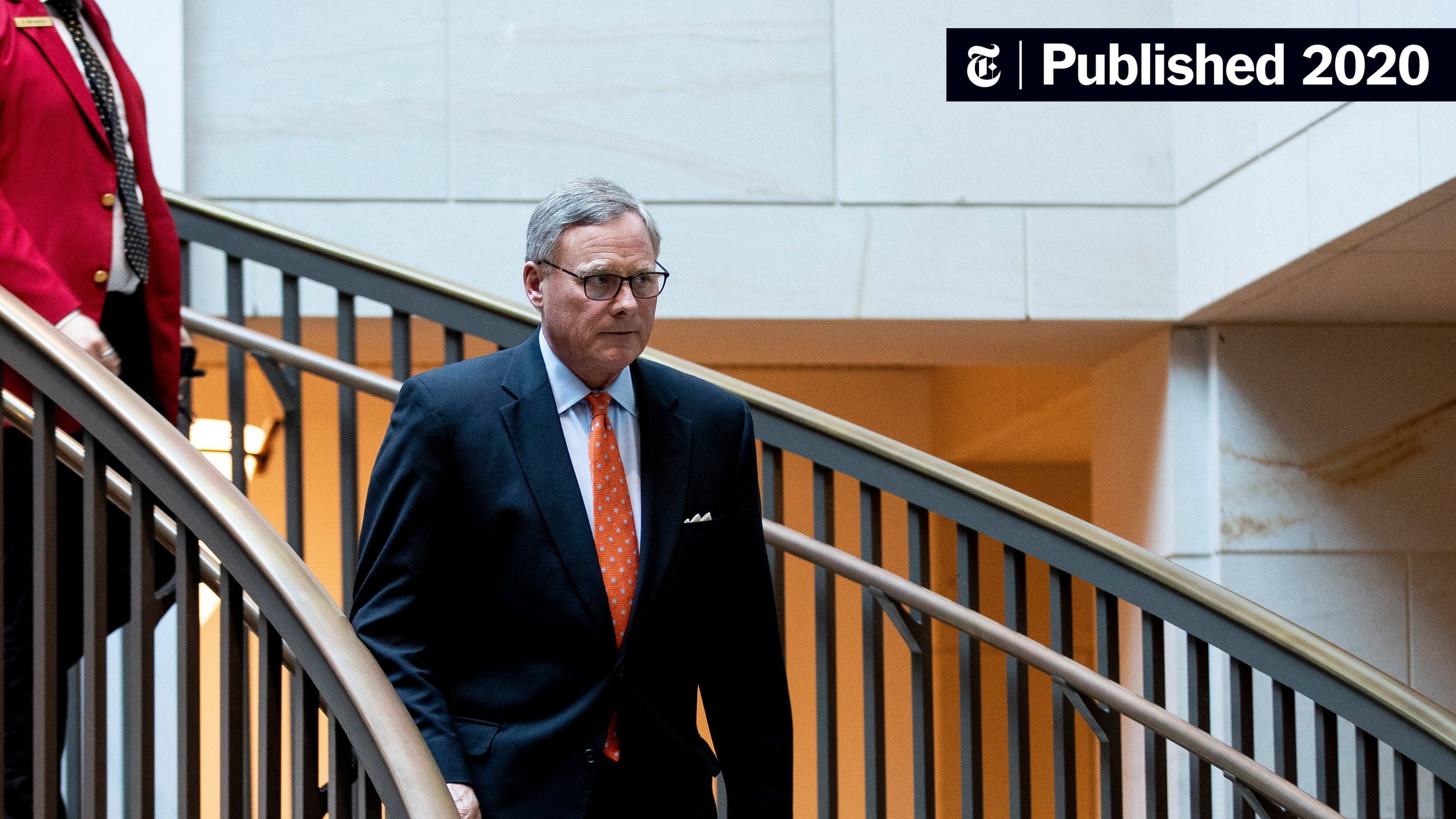
On Feb 13, 2020, Intel Committee Chair Richard Burr sold $628K-$1.7M across 33 transactions. On Feb 7, he wrote 'the US is better prepared than ever.' On Feb 27, he privately told donors it was 'much more aggressive than anything we have seen.' FBI seized his phone; DOJ dropped charges Jan 2021.
“Senator Burr received classified COVID briefings, dumped his stocks, then told the public everything was fine.”
What they said vs. what the evidence shows
“Sales were based on publicly available information.”
— Sen. Burr spokesperson · Mar 2020
SourceFrom “crazy” to confirmed
The Claim Is Made
This is the moment they called it crazy.
On February 13, 2020, as Americans were beginning to grasp that COVID-19 might be more than a distant problem, Senator Richard Burr executed a series of 33 stock trades that would later raise uncomfortable questions about what he knew and when he knew it.
Burr, then chairman of the Senate Intelligence Committee with access to classified briefings on the emerging pandemic, sold between $628,000 and $1.7 million in stocks over the course of that single day. The transactions appeared strategically timed. Just six days earlier, on February 7, Burr had published an op-ed assuring Americans that "the US is better prepared than ever" to handle a coronavirus outbreak. Yet behind closed doors, the reality he was describing to major donors looked starkly different.
By February 27, less than two weeks after his stock sales, Burr told a group of wealthy constituents at a private luncheon that the virus was "much more aggressive than anything we have seen." He warned them about the potential for ventilator shortages and suggested they should prepare accordingly. The contrast between his public statements and private warnings was stark. Americans reading his February 7 op-ed had no idea their Senator was simultaneously taking action that suggested he believed the situation was far more dire.
When the stock sales became public knowledge months later, the initial response from some quarters was dismissive. Burr's office and his allies suggested the sales were routine portfolio management, unrelated to any classified information he may have received. The Senator claimed he relied on public news reports, not intelligence briefings, when making his investment decisions. It was the kind of explanation designed to settle the matter quickly.
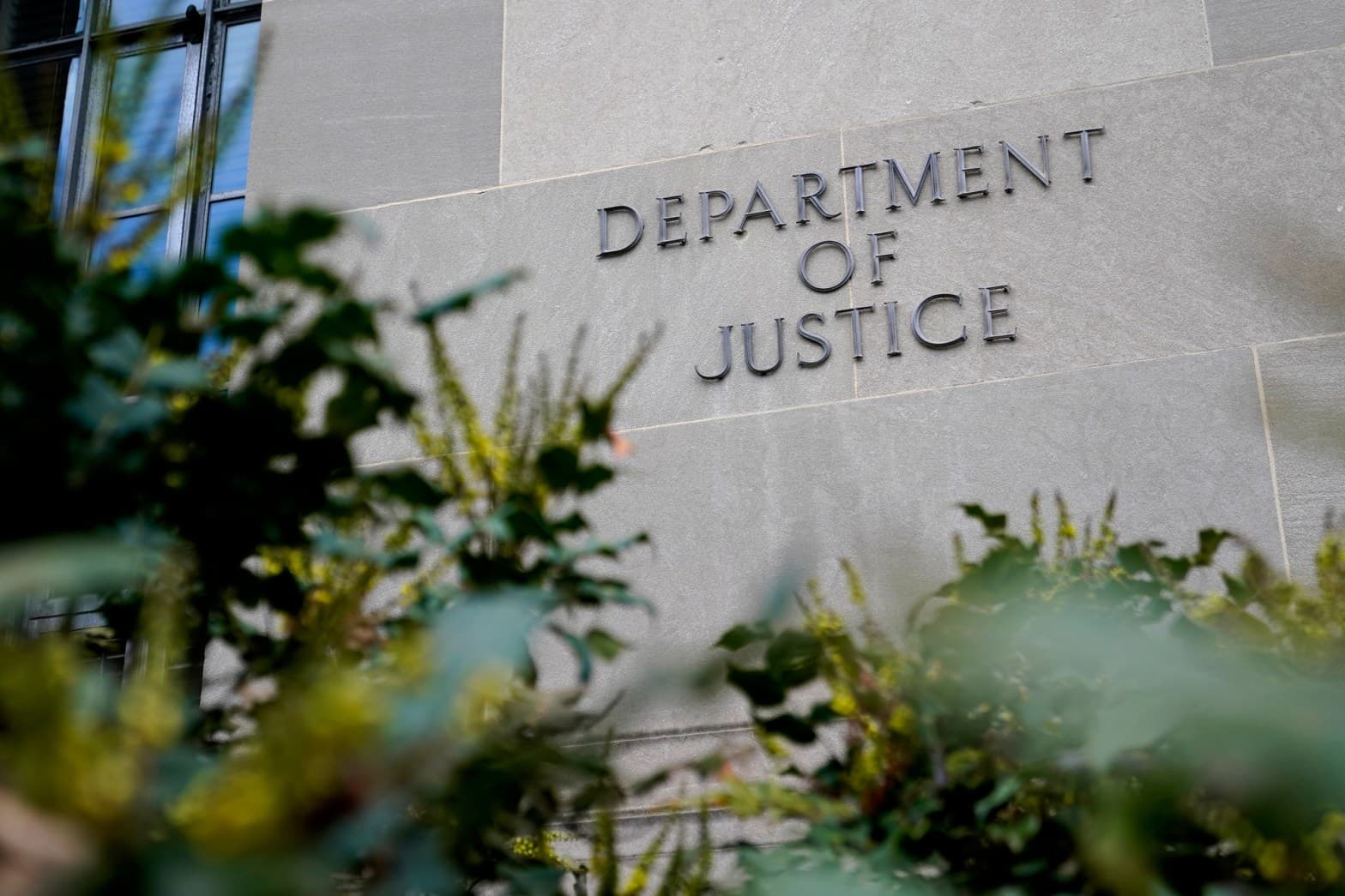
But the evidence that emerged told a different story. The FBI's decision to execute a search warrant on Burr's home in May 2020—a dramatic step rarely taken against sitting senators—suggested investigators took the matter seriously. The Justice Department ultimately seized his phone as part of the investigation. For months, the question hung in the air: would charges follow?
Get the 5 biggest receipts every week, straight to your inbox — plus an exclusive PDF: The Top 10 Conspiracy Theories Proven True in 2025-2026. No spam. No agenda. Just the papers they couldn't hide.
You just read "Sen. Burr sold $1.7M in stocks after classified COVID briefi…". We send ones like this every week.
No one's said anything yet. Be the first to drop your take.
Source: Sen. Burr sold $1.7M in stocks after classified COVID briefing while publicly do
Confirmed: They Were Right
The truth comes out. Officially documented.
Confirmed: They Were Right
The truth comes out. Officially documented.
Then in January 2021, the Department of Justice quietly dropped the investigation. No charges were filed against Burr. The decision was announced without detailed explanation, and Burr announced his retirement from the Senate shortly after. The lack of charges might suggest innocence, or it might simply reflect the political complications of prosecuting a sitting senator. The truth remained obscured.
What makes this case significant isn't just what Burr did, but what his actions represented. Here was a member of Congress, uniquely positioned to understand the threat COVID-19 posed to Americans, armed with classified information most citizens couldn't access. Rather than act as a fiduciary of the public trust, he apparently acted as an investor seeking to protect his own wealth. Meanwhile, ordinary Americans continued their lives based on reassuring public statements.
The dropped investigation doesn't erase what happened. The stock sales occurred. The private warning to donors occurred. The contrast between public and private messaging occurred. What remains unresolved is whether those actions violated the law—a question the DOJ declined to answer. That ambiguity, more than anything, is what erodes public confidence. When powerful people's actions spark investigations that then vanish without explanation, people notice. They wonder what they're not being told.
Beat the odds
This had a 0% chance of leaking — someone talked anyway.
Conspirators
~50Network
Secret kept
0.8 years
Time to 95% exposure
500+ years