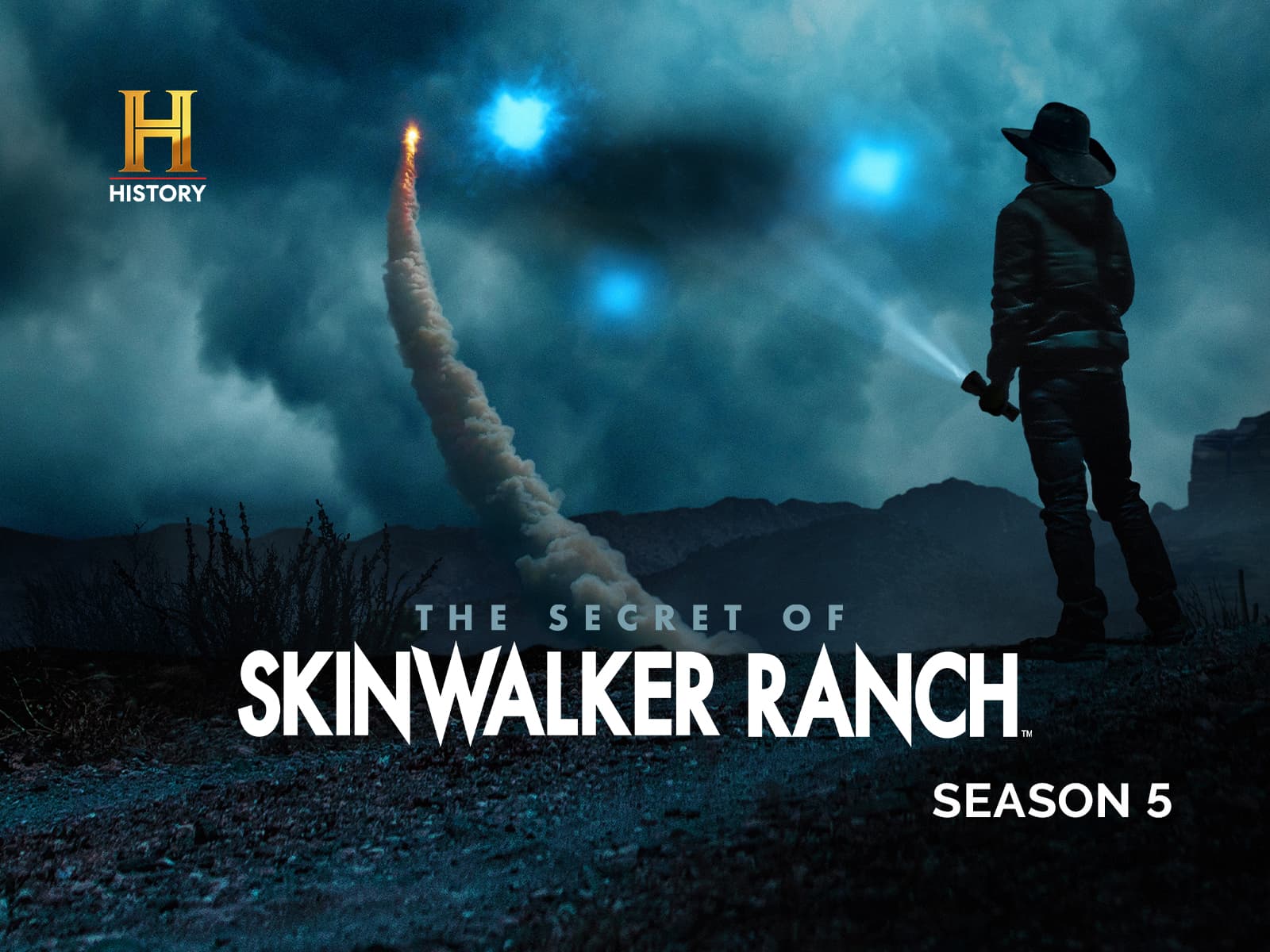
In 2008, the Defense Intelligence Agency launched the Advanced Aerospace Weapon System Applications Program (AAWSAP) after a senior DIA scientist visited Skinwalker Ranch in Utah and reportedly had a profound encounter with an unknown intelligence. Senators Harry Reid, Daniel Inouye, and Ted Stevens secured $22 million in black budget funding. The contract went to Robert Bigelow's BAASS, which deployed scientists with thermal imaging, radar, and surveillance systems to the ranch. The program investigated not just UFOs but a range of paranormal phenomena including poltergeist activity, cattle mutilations, and dimensional portals. AAWSAP was cancelled after two years, but its existence was confirmed through declassified documents and the book 'Skinwalkers at the Pentagon.'
“What we encountered at the ranch goes beyond conventional understanding. The phenomena are real, measurable, and connected to UAP activity in ways we are only beginning to understand.”
What they said vs. what the evidence shows
“AAWSAP was a misuse of taxpayer money — a program born from the personal beliefs of a billionaire and three senators, not from scientific evidence of paranormal activity.”
— Scientific skeptics · Dec 2017
SourceFrom “crazy” to confirmed
The Claim Is Made
This is the moment they called it crazy.
When a senior Defense Intelligence Agency scientist visited a remote Utah ranch in the mid-2000s and encountered something he couldn't explain, it set off a chain of events that would eventually force the U.S. government to acknowledge what it had long denied: the military was actively investigating paranormal phenomena. What started as a fringe story whispered about in UFO circles became documented fact, buried in declassified records and memorialized in a Pentagon insider's account.
The claim was straightforward but extraordinary. The Defense Intelligence Agency, operating through classified budget channels, had funded a $22 million program called the Advanced Aerospace Weapon System Applications Program, or AAWSAP. The program's unusual mandate wasn't limited to unidentified flying objects—it investigated cattle mutilations, poltergeist activity, and theoretical dimensional portals. The operation was based at Skinwalker Ranch, a property in northeastern Utah that had accumulated decades of reports of unexplained phenomena.
For years, official channels dismissed this as speculation. The Pentagon neither confirmed nor denied the program's existence. Skeptics argued that no serious government agency would allocate military funding to investigate paranormal activity at a private ranch. The very suggestion seemed to violate basic principles of scientific credibility and fiscal responsibility. The story remained confined to UFO research communities and fringe publications, easily dismissed as conspiracy thinking.
The verification came through declassified documentation and insider testimony. Three U.S. senators—Harry Reid, Daniel Inouye, and Ted Stevens—had secured the funding through black budget appropriations in 2008. The program awarded its contract to Robert Bigelow's Bigelow Aerospace Advanced Space Studies (BAASS), which deployed teams of scientists equipped with thermal imaging, radar systems, and 24-hour surveillance infrastructure to the ranch. The operation ran for approximately two years before being terminated.
Get the 5 biggest receipts every week, straight to your inbox — plus an exclusive PDF: The Top 10 Conspiracy Theories Proven True in 2025-2026. No spam. No agenda. Just the papers they couldn't hide.
You just read "The DIA secretly funded a $22M paranormal investigation prog…". We send ones like this every week.
No one's said anything yet. Be the first to drop your take.
Confirmed: They Were Right
The truth comes out. Officially documented.
Confirmed: They Were Right
The truth comes out. Officially documented.
The smoking gun arrived in 2021 with the publication of "Skinwalkers at the Pentagon," authored by James T. Lacatski, Colm Kelleher, and George Knapp. Lacatski was the DIA scientist who had visited the ranch and experienced the encounter that triggered the program. The book provided specific operational details, timelines, and bureaucratic documentation that corroborated the basic claim. Military.com later published investigative reporting that further confirmed the program's existence and scope, drawing from declassified materials and government records.
What makes this case significant isn't simply that a secret program existed—classified military projects are common. What matters is that the subject matter was systematically excluded from public discourse and official acknowledgment despite being funded by taxpayer money and overseen by elected officials. For years, anyone presenting this information was marginalized as a conspiracy theorist, even though senators and Pentagon officials privately knew it to be accurate.
This verification raises uncomfortable questions about institutional credibility. If the Pentagon could maintain secrecy around a $22 million program investigating phenomena that mainstream science considered illegitimate, what other information remains compartmentalized and inaccessible? The AAWSAP case demonstrates that "lack of official confirmation" cannot be equated with falsehood, and that dismissing claims as conspiracy thinking can be precisely the mechanism that keeps important information from public scrutiny.
The lesson is methodological: extraordinary claims require credible evidence, but they don't require mainstream acceptance to be true.
Beat the odds
This had a 2.7% chance of leaking — someone talked anyway.
Conspirators
~500Large op
Secret kept
13.7 years
Time to 95% exposure
500+ years