Documents showed Sugar Research Foundation paid Harvard scientists in the 1960s to downplay sugar's role in heart disease and blame saturated fat instead, shaping decades of nutrition policy.
“Our funding had no influence on the independent scientific conclusions”
From “crazy” to confirmed
The Claim Is Made
This is the moment they called it crazy.
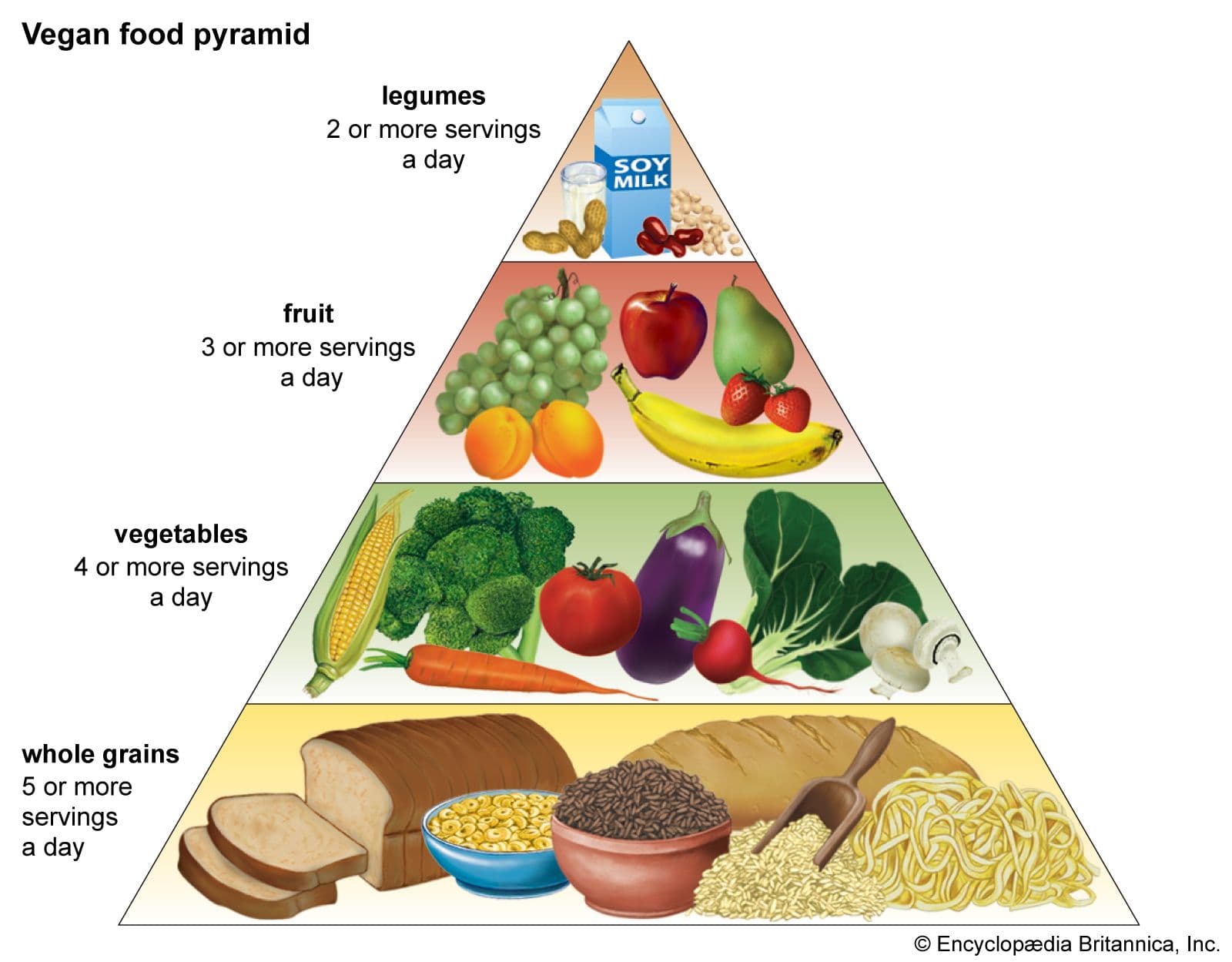
For decades, Americans were told that fat—not sugar—was the primary enemy in the fight against heart disease. That dietary consensus shaped everything from government nutrition guidelines to food industry practices. It turns out that consensus wasn't built on neutral science. It was built, in part, by an industry-funded effort to obscure inconvenient truths.
In the 1960s, the Sugar Research Foundation faced a problem. Emerging research was beginning to link sugar consumption directly to heart disease. Rather than accept this finding, the industry did what many industries do when faced with unfavorable science: it paid for better science. Specifically, it paid Harvard scientists to produce research that would shift blame away from sugar and toward saturated fat.
The claim that the sugar industry had manipulated scientific consensus wasn't new. For years, critics and some researchers had suspected as much. But suspicion isn't proof. The sugar industry and many in the scientific community simply dismissed such allegations as conspiracy thinking. Harvard scientists involved in the research denied any improper influence. The official response was straightforward: this is how science works, follow the money means nothing when the science is sound.
Except the science wasn't produced independently. In 2016, researchers examining historical documents uncovered internal Sugar Research Foundation correspondence detailing explicit agreements with Harvard scientists. The foundation had paid approximately $6,500—a substantial sum in 1967—to fund a literature review that would be published in the New England Journal of Medicine. The foundation's goal, laid out in internal memos, was to counter negative findings about sugar and promote the saturated fat hypothesis instead.
The research was published under the names of Harvard scientists D. Mark Hegsted and Robert McGandy. It became influential in shaping the American Heart Association's dietary recommendations. Those recommendations, in turn, influenced government policy and food industry practices for the next several decades. Low-fat products became the health standard. Sugar consumption actually increased as manufacturers replaced fat with sugar to maintain taste in their products.
What makes this case particularly significant is the scale of its impact. This wasn't a fringe researcher making a small bad decision. This was a foundational piece of nutrition science, published in a prestigious journal, created through explicit financial manipulation, that shaped public health policy for fifty years. The ripple effects cascaded through school lunch programs, hospital diets, and consumer purchasing decisions.
The sugar industry's actions weren't technically illegal—disclosure standards were looser then. But they reveal something important about how institutional trust gets built and broken. When an industry funds research about its own product, particularly when that funding comes with implicit expectations about the findings, the integrity of the result is compromised from the start.
This case matters because it demonstrates that major institutional failures aren't always the result of elaborate conspiracies or cartoon villains. Sometimes they result from straightforward conflicts of interest left unchecked, from a time when transparency standards were inadequate and industry influence went largely unexamined. The lesson isn't that all science is corrupted. It's that science requires safeguards, and that when those safeguards fail, the cost to public health can be enormous.
Get the 5 biggest receipts every week, straight to your inbox — plus an exclusive PDF: The Top 10 Conspiracy Theories Proven True in 2025-2026. No spam. No agenda. Just the papers they couldn't hide.
You just read "Sugar industry paid scientists to blame fat for heart diseas…". We send ones like this every week.
No one's said anything yet. Be the first to drop your take.