Syngenta's own studies confirmed atrazine disrupted hormones in amphibians and humans, but company funded attacks on independent scientists reporting similar findings.
“Atrazine is one of the most thoroughly studied herbicides and poses no risk to human health”
From “crazy” to confirmed
The Claim Is Made
This is the moment they called it crazy.
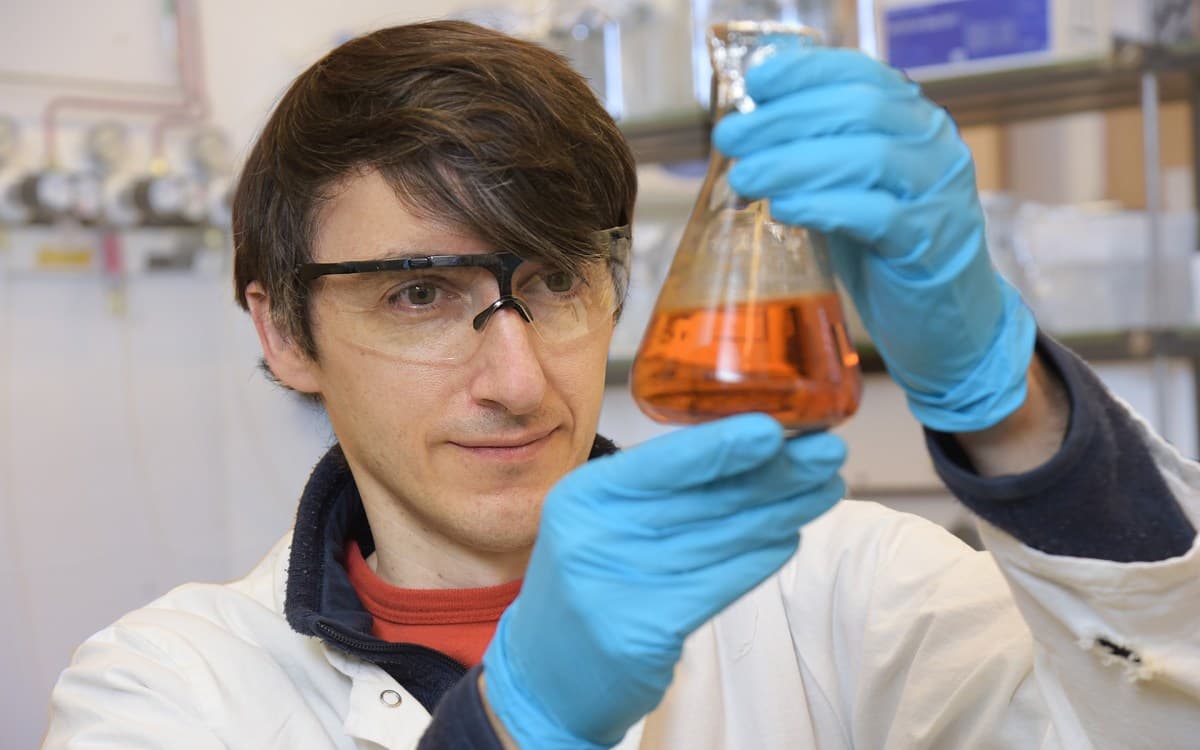
When UC Berkeley biologist Tyrone Hayes published research showing that the herbicide atrazine was disrupting hormones in frogs, he expected scientific debate. What he got instead was a coordinated campaign to discredit him—funded by the very company whose product his research had implicated.
Atrazine is one of the most widely used herbicides in America. Applied to millions of acres of corn crops annually, it has seeped into drinking water supplies across the Midwest and beyond. For decades, the herbicide's manufacturer, the Swiss chemical giant Syngenta, had assured regulators and the public that atrazine was safe at approved levels.
Hayes's findings, first published in the early 2000s, suggested otherwise. His peer-reviewed studies demonstrated that atrazine exposure caused feminization in male frogs, reducing testosterone levels and disrupting reproductive systems. More troubling, his research indicated the chemical affected hormonal systems at concentrations well below what the Environmental Protection Agency considered safe for humans.
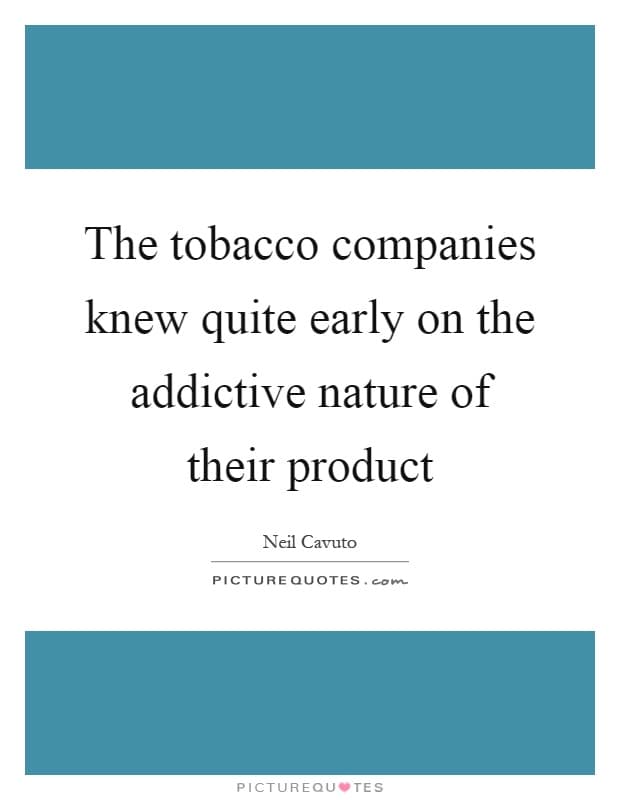
Syngenta's response was swift and methodical. Rather than engage Hayes directly in the scientific literature, the company funded independent researchers to attack his methodology and conclusions. Internal communications and later court documents revealed that Syngenta had orchestrated a deliberate strategy to create doubt about Hayes's work—a playbook remarkably similar to tobacco industry tactics from decades past.
The company had a compelling financial incentive. Atrazine generated hundreds of millions of dollars in annual revenue. Restrictions or bans would threaten that income stream. So Syngenta funded studies designed to cast doubt, supported sympathetic researchers, and worked behind the scenes to influence regulatory decisions.
Yet Syngenta's own internal research had reached conclusions strikingly similar to Hayes's findings. Company scientists had documented hormonal disruption from atrazine exposure in their own laboratory studies. These results weren't widely publicized. Instead, they were tucked into regulatory filings and internal documents, while the company's public relations apparatus attacked independent researchers reaching the same conclusions.
The evidence of Syngenta's duplicity emerged through litigation and regulatory investigations. Court documents and depositions revealed a stark contrast between what the company knew internally and what it claimed publicly. The strategy worked for years—regulators largely accepted Syngenta's position, and atrazine remained unrestricted in the United States even as the European Union moved toward restrictions based partly on concerns about endocrine disruption.
Hayes's career suffered for his findings. He faced professional isolation, funding challenges, and relentless attacks on his credibility. Meanwhile, atrazine continued to be applied across American farmland and remained detectable in municipal water supplies.
This case matters because it demonstrates how corporate interests can distort scientific understanding of public health risks. It reveals that a company can simultaneously acknowledge internal evidence of harm while funding external campaigns to deny that same harm. And it shows how individual scientists willing to publish inconvenient findings face professional consequences for challenging powerful economic interests.
Today, atrazine remains one of America's most commonly used herbicides. The scientific consensus on its hormonal effects has shifted, but regulatory action has been slower. The lesson is clear: what companies knew, and when they knew it, often tells a very different story than what they told the public.
Get the 5 biggest receipts every week, straight to your inbox — plus an exclusive PDF: The Top 10 Conspiracy Theories Proven True in 2025-2026. No spam. No agenda. Just the papers they couldn't hide.
You just read "Syngenta scientists found atrazine herbicide caused hormonal…". We send ones like this every week.
No one's said anything yet. Be the first to drop your take.