The night Epstein died, prison guard Tova Noel searched Google: "Can prisoners die on suicide watch?" She was the last person to see him alive
On the morning of August 10, 2019, Jeffrey Epstein was found dead in his Manhattan jail cell. The official story was straightforward: suicide by hanging while on suicide watch at the Metropolitan Correctional Center. But questions emerged almost immediately about how a man under constant observation could take his own life. Among those questions was one simple detail that seemed almost too revealing to ignore—what was the last guard on duty actually searching for online that night?
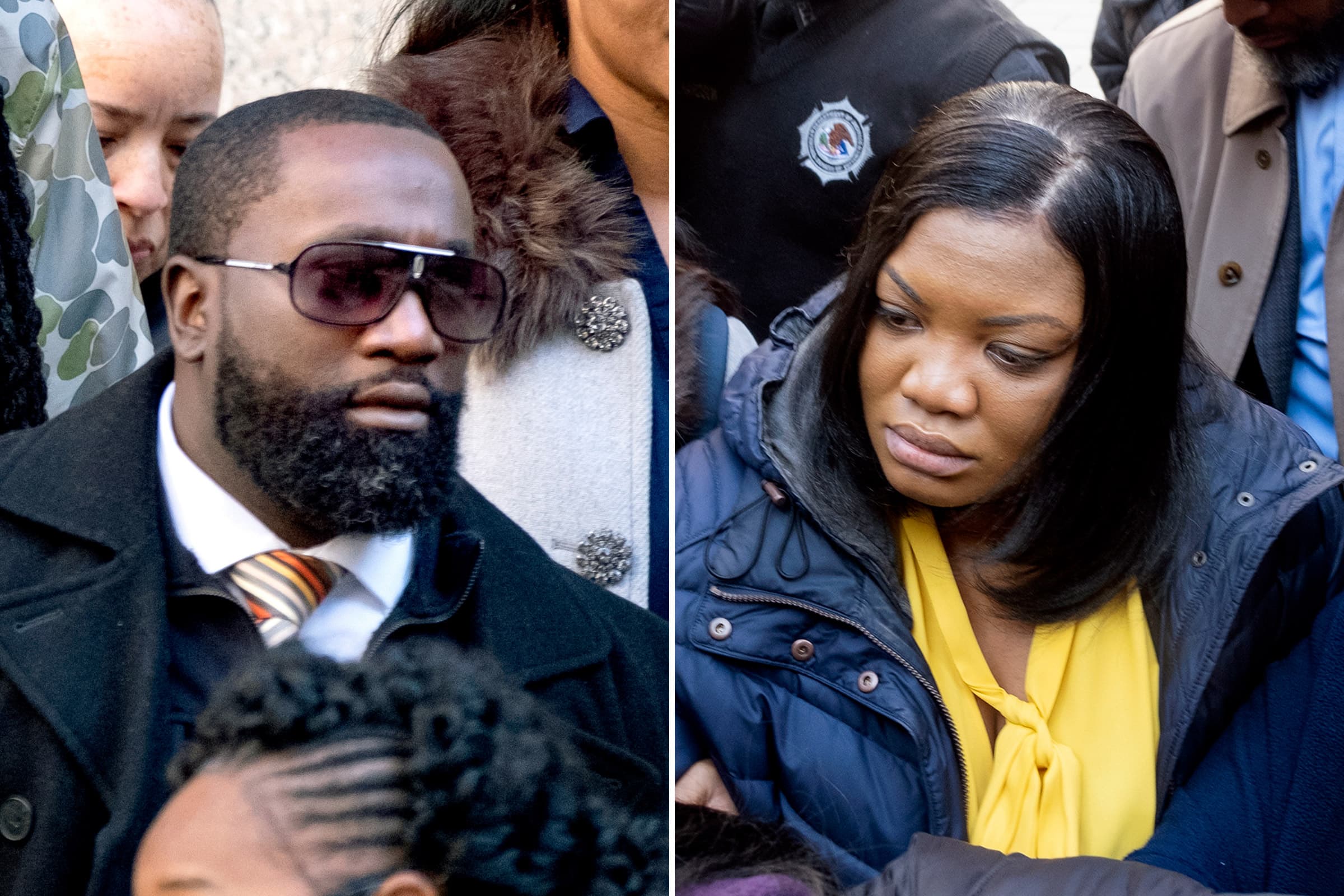
The claim centered on Tova Noel, one of two correctional officers assigned to monitor Epstein's housing unit. According to multiple accounts, Noel had conducted a Google search sometime during her shift asking: "Can prisoners die on suicide watch?" The implication was damning. Why would someone responsible for preventing exactly such an outcome be researching whether it was even possible?
Initial responses from officials and mainstream media dismissed the detail as coincidental or speculative. The Bureau of Prisons conducted an internal review that found no serious misconduct, though it later emerged that neither Noel nor her fellow guard had actually been conducting proper checks on Epstein as required. The narrative pushed by authorities was one of systemic failure—underfunded facilities, overworked staff, technical glitches—rather than anything sinister happening in real time.
But the evidence proved harder to ignore. Court documents and subsequent investigations confirmed that Noel's search history existed and was accessed during the relevant timeframe. The New York Times and other outlets eventually reported that both guards had been falsifying records, claiming they conducted checks they never actually performed. Noel and her co-worker were eventually charged with conspiracy and filing false records.
Get the 5 biggest receipts every week, straight to your inbox — plus an exclusive PDF: The Top 10 Conspiracy Theories Proven True in 2025-2026. No spam. No agenda. Just the papers they couldn't hide.
You just read "The night Epstein died, prison guard Tova Noel searched Goog…". We send ones like this every week.
No one's said anything yet. Be the first to drop your take.
What the Google search revealed wasn't necessarily proof of intentional wrongdoing by Noel herself. But it was proof of something: someone directly responsible for Epstein's safety was, at minimum, thinking about the possibility of prisoner death on suicide watch at the exact moment when such a death occurred. Whether that represented idle curiosity, negligence, or something more deliberate remained open to interpretation. What couldn't be disputed was that it happened.
The verification of this detail matters because it illustrates how narratives get constructed around major events. When something sounds suspicious—like a guard researching suicide watch while the man she's monitoring dies—there's institutional pressure to dismiss it as conspiracy thinking. But this wasn't a wild theory. It was a factual search history that could be documented, verified, and confirmed through legal proceedings.
This case demonstrates why maintaining public trust requires more than just official statements. When evidence exists to contradict the initial framing of events, that evidence eventually surfaces. The question becomes whether it surfaces quickly and transparently or only after months of investigation and public pressure. In Epstein's case, crucial details emerged late, long after the official narrative had already calcified in the public mind.
Understanding what actually happened that night remains difficult. But we now know it wasn't what we were first told, and we know some of the details that prove it.
Beat the odds
This had a 0.2% chance of leaking — someone talked anyway.
Conspirators
~200Network
Secret kept
2.4 years
Time to 95% exposure
500+ years