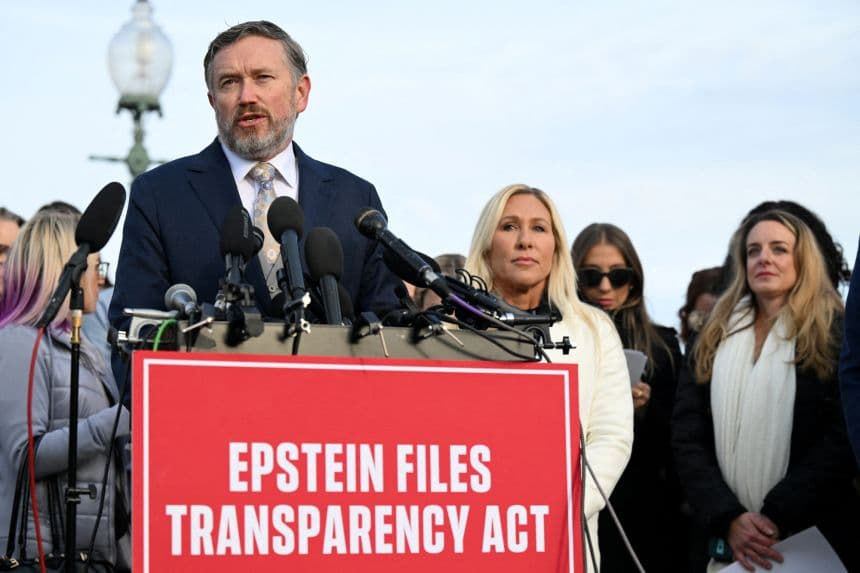
Thomas Massie today: "Releasing the Epstein files is not the end goal. Until we see investigations and arrests, our system of justice is not working." 301,000 documents released. Zero new arrests.
When over 300,000 documents related to Jeffrey Epstein were finally released to the public, many assumed transparency would naturally lead to accountability. Congressman Thomas Massie, representing Kentucky's 4th District, had a different assessment. He publicly stated what many had begun to suspect: releasing files alone means nothing without arrests.
Massie's statement cut through the narrative that had dominated headlines since the initial document drop. The files themselves were presented as a victory for transparency and justice—finally, the public would see what was hidden. News outlets celebrated the release as if the work of accountability was complete. But Massie recognized a critical gap between transparency and consequences.
The claim was straightforward: 301,000 documents released, zero new arrests. This wasn't speculation or conjecture. It was a factual observation about what had actually happened in the months following the file release. Massie called for individuals involved to be "perp-walked"—subjected to public arrest and prosecution rather than allowed to fade into obscurity.
Officials and commentators initially dismissed such demands as premature. They argued that these things take time, that investigations were ongoing, that patience was necessary. The implication was clear: trust the system, let it work, don't rush to judgment. This standard response to calls for accountability has become familiar to those tracking high-profile cases that never quite reach prosecution.
But Massie's claim rested on something verifiable: the actual count of arrests made after the document release. The number remained at zero. Documents alone do not equal justice. They are tools that could facilitate justice, but only if followed by investigation and prosecution. The files sit in the public domain while the individuals named within them face no legal consequences.
Get the 5 biggest receipts every week, straight to your inbox — plus an exclusive PDF: The Top 10 Conspiracy Theories Proven True in 2025-2026. No spam. No agenda. Just the papers they couldn't hide.
You just read "Thomas Massie today: "Releasing the Epstein files is not th…". We send ones like this every week.
No one's said anything yet. Be the first to drop your take.
What makes this claim significant is that it exposes a real pattern in how the justice system functions. Documents can be released, narratives can shift, and the public can be satisfied with the appearance of accountability. Meanwhile, the mechanism that actually matters—arrests, charges, trials, convictions—remains inactive. This isn't a conspiracy theory about secret forces. It's an observation about how transparency without enforcement becomes theater.
The Epstein files release generated enormous media attention and public interest. Yet months passed with no corresponding uptick in prosecutions. Massie's statement crystallized what the raw data showed: the system had responded to pressure for transparency by releasing documents, but had not responded to the same pressure for justice by pursuing arrests.
This matters because it reveals something fundamental about public trust. People distinguish between information and action. A government that releases documents but makes no arrests is communicating a specific message about priorities and willingness to hold powerful people accountable. The claim verified here isn't that Massie perfectly predicted future outcomes—it's that his observation about the disconnect between file release and prosecutorial action was accurate when made.
If anything, Massie's statement served as a reality check. It reminded observers that sunshine, as valuable as it is, isn't punishment. Transparency is a prerequisite for justice, not a substitute for it. The thousands of documents mean nothing to victims without subsequent investigation and prosecution. His call for "perp-walks" represented a demand that the system complete its work, not simply perform its appearance.
Beat the odds
This had a 0.2% chance of leaking — someone talked anyway.
Conspirators
~200Network
Secret kept
2.4 years
Time to 95% exposure
500+ years