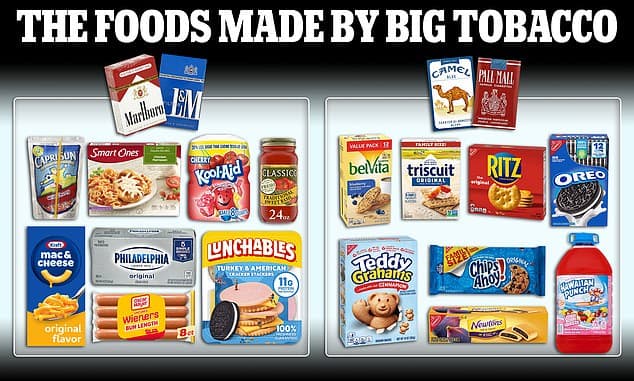
A 1969 R.J. Reynolds internal memo stated: 'Doubt is our product since it is the best means of competing with the body of fact.' The tobacco industry's playbook — manufacturing doubt, funding industry-friendly research, creating conflicts of interest — has been systematically adopted by the pharmaceutical industry to downplay opioid addiction, statin side effects, and SSRI withdrawal. 30 million pages of disclosed tobacco documents proved these tactics work for decades.
“Doubt is our product since it is the best means of competing with the 'body of fact' that exists in the mind of the general public.”
From “crazy” to confirmed
The Claim Is Made
This is the moment they called it crazy.
When a 1969 internal memo from R.J. Reynolds tobacco executives surfaced decades later, it contained a phrase that would become infamous: "Doubt is our product since it is the best means of competing with the body of fact." The tobacco industry wasn't interested in proving their products were safe. They simply needed to muddy the waters enough to delay regulation and maintain sales. What seemed like a scandal contained within the tobacco industry turned out to be something far more consequential: a blueprint that would be adopted wholesale by an entirely different industry with the power to prescribe what millions of people ingest daily.
For years, critics who drew parallels between tobacco's disinformation tactics and pharmaceutical marketing were dismissed as conspiracy theorists making unfounded comparisons. The pharmaceutical industry argued that drugs undergo rigorous FDA approval and that marketing claims are heavily regulated. Critics were told they were conflating an industry that killed through deception with one that saved lives through science. It was a reasonable-sounding defense that most people accepted without question.
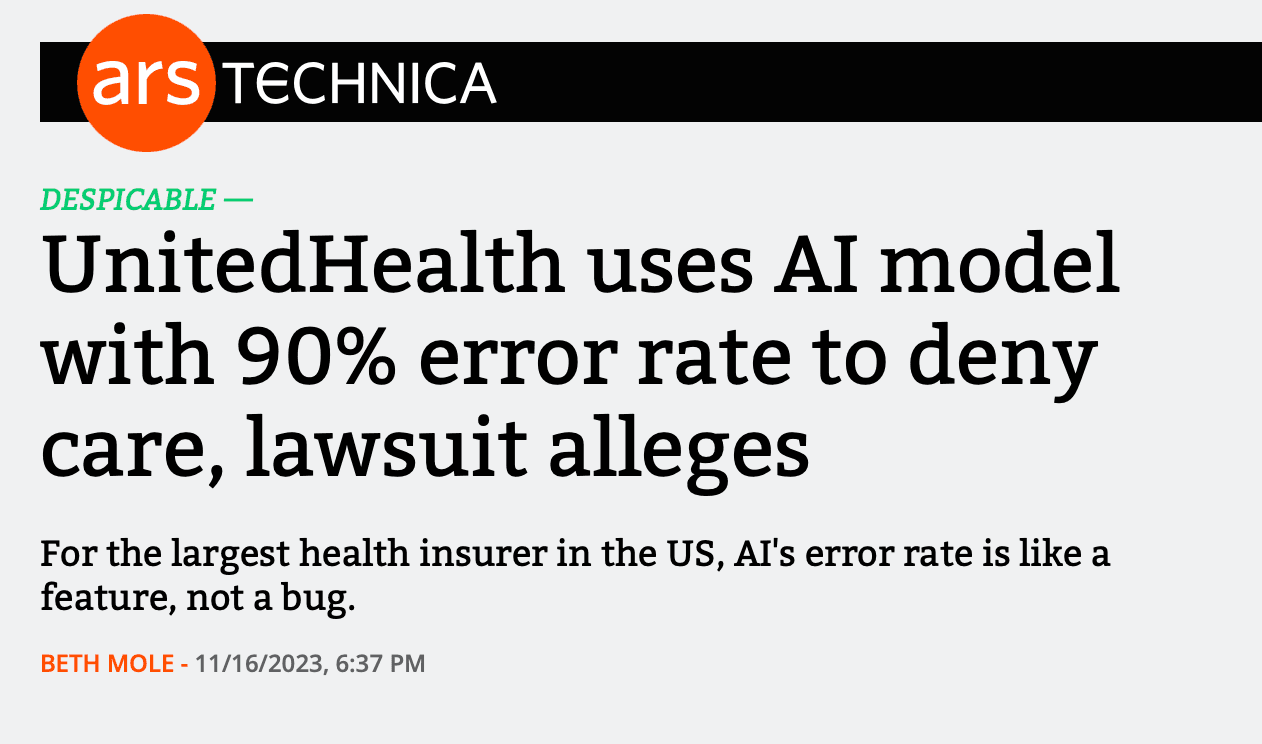
But the evidence tells a different story. When 30 million pages of tobacco documents were disclosed through litigation, researchers examining them began noticing something troubling. The tactics weren't unique to cigarettes. The same playbook—manufacturing scientific doubt, funding research designed to reach predetermined conclusions, creating apparent independence through third-party organizations, and cultivating relationships with medical professionals—started appearing in how pharmaceutical companies handled evidence of drug harms.
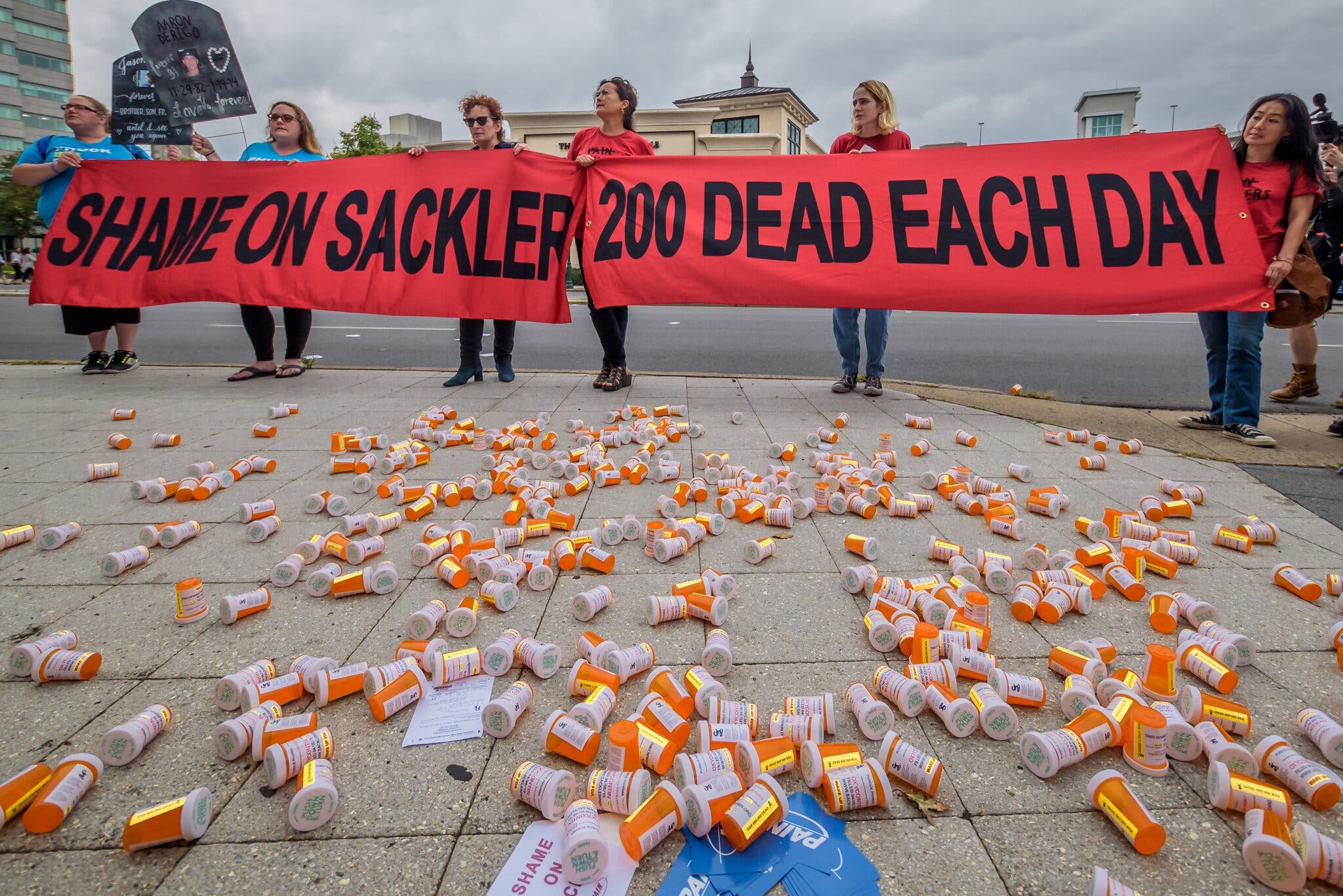
The opioid crisis provides the clearest example. Pharmaceutical companies minimized addiction risks for prescription painkillers through strategies that would have been instantly recognizable to a 1969 tobacco executive: downplaying internal research showing addiction potential, funding studies that questioned addiction concerns, and building relationships with doctors and patient advocacy groups to amplify messages of safety. Purdue Pharma's marketing campaign for , which claimed the drug had lower addiction rates than older painkillers despite internal knowledge suggesting otherwise, didn't emerge from a vacuum. It emerged from a template.
Get the 5 biggest receipts every week, straight to your inbox — plus an exclusive PDF: The Top 10 Conspiracy Theories Proven True in 2025-2026. No spam. No agenda. Just the papers they couldn't hide.
You just read "The pharmaceutical industry adopted Big Tobacco's 'doubt is …". We send ones like this every week.
No one's said anything yet. Be the first to drop your take.
Confirmed: They Were Right
The truth comes out. Officially documented.
Confirmed: They Were Right
The truth comes out. Officially documented.
Similar patterns appeared with selective serotonin reuptake inhibitors. Studies showing withdrawal symptoms were deprioritized in medical literature while company-funded research emphasizing benefits dominated. With statins, potential side effects were downplayed in marketing materials even as safety signals appeared in independent research. Each time, the method was consistent: identify inconvenient evidence, question its validity through funded alternatives, and create enough ambiguity to delay action.
What makes this claim verifiable isn't speculation about corporate strategy. It's the documented track record of these tactics actually working. The tobacco playbook delayed meaningful regulation for decades while killing millions. The same mechanisms, applied to prescription drugs, have extended the time between when harms were known internally and when they were acknowledged publicly. That gap—sometimes years or decades—translates directly into preventable deaths and injuries.
This matters because it challenges how we think about institutional trustworthiness. It suggests that the pharmaceutical industry's reassurances about drug safety shouldn't be automatically accepted, particularly when they conflict with independent research. It means regulators need to account not just for what companies claim, but for how they're saying it. And it means the public should recognize a familiar playbook when they see it, regardless of which industry is running it. Doubt may be a powerful product. But it's a more dangerous one when we don't know we're being sold it.
Beat the odds
This had a 3.5% chance of leaking — someone talked anyway.
Conspirators
~300Network
Secret kept
29.9 years
Time to 95% exposure
500+ years