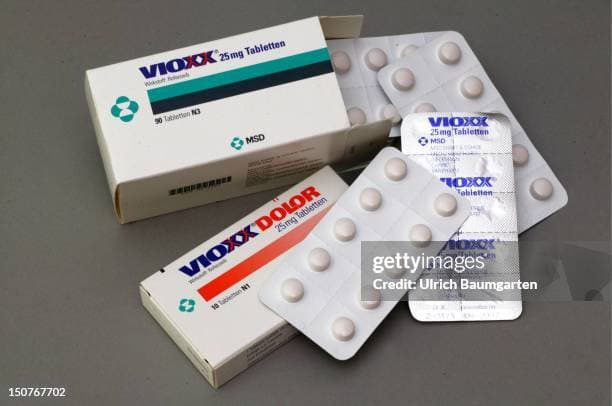
Merck's blockbuster painkiller Vioxx (rofecoxib) was linked to heart attacks and strokes. FDA whistleblower Dr. David Graham estimated Vioxx caused 88,000-140,000 excess heart attacks in the US, with an estimated 60,000 deaths. Internal emails showed Merck scientists identified the cardiovascular risk years before the 2004 withdrawal but the company minimized and concealed the data. Merck paid $4.85 billion to settle 27,000 lawsuits.
“Vioxx is causing heart attacks and Merck knows it. The data showing cardiovascular risk is being hidden from doctors and patients.”
What they said vs. what the evidence shows
“We stand behind the cardiovascular safety of Vioxx. The data does not show an increased risk of heart attacks compared to other anti-inflammatory drugs.”
— Merck CEO Raymond Gilmartin · Jan 2003
SourceFrom “crazy” to confirmed
The Claim Is Made
This is the moment they called it crazy.
In 2004, Merck pulled Vioxx from the market. The official reason was straightforward: new data had emerged suggesting the painkiller increased the risk of heart attacks and strokes. What wasn't straightforward was what Merck knew beforehand—and when they knew it.
Vioxx had been a pharmaceutical triumph. Launched in 1999, the arthritis and acute pain medication became one of Merck's most profitable drugs, generating over $2 billion annually at its peak. Millions of patients took it. Doctors prescribed it confidently. Then the questions started.
The claim emerged gradually, pieced together by independent researchers, FDA reviewers, and eventually whistleblowers. Internal communications and later court documents revealed that Merck scientists had identified cardiovascular risks years before the public withdrawal. The company, critics argued, had downplayed these findings while continuing to market the drug aggressively. Some estimates suggested Vioxx had caused tens of thousands of deaths.
Merck's initial response was denial wrapped in reassurance. The company disputed the cardiovascular link, citing studies that showed the drug was safe when used properly. They blamed the problems on patient selection—suggesting that people with existing heart conditions were more likely to use Vioxx. This wasn't a cover-up, their position suggested. It was a misunderstanding of the data.
But the evidence told a different story. Dr. David Graham, a senior epidemiologist at the FDA's Office of Drug Safety, conducted a comprehensive analysis. His conclusion was stark: Vioxx had caused between 88,000 and 140,000 excess heart attacks in the United States. He estimated roughly 60,000 of those patients died. When Graham presented these findings to Congress, the scale of the disaster became undeniable.
Get the 5 biggest receipts every week, straight to your inbox — plus an exclusive PDF: The Top 10 Conspiracy Theories Proven True in 2025-2026. No spam. No agenda. Just the papers they couldn't hide.
You just read "Merck knew Vioxx caused heart attacks but hid the data for y…". We send ones like this every week.
No one's said anything yet. Be the first to drop your take.
Confirmed: They Were Right
The truth comes out. Officially documented.
Confirmed: They Were Right
The truth comes out. Officially documented.
Internal Merck emails, revealed during litigation, showed the company's own scientists had flagged the cardiovascular risk much earlier. Rather than initiating a broader investigation or warning physicians, the company had minimized these red flags in communications to regulators. Sales representatives continued pushing the drug to doctors. Marketing materials downplayed safety concerns. The drug stayed on the market, and the deaths continued accumulating.
The settlement reflected the enormity of what had occurred. In 2007, Merck agreed to pay $4.85 billion to resolve approximately 27,000 lawsuits from patients and families harmed by Vioxx. It was one of the largest pharmaceutical settlements in history. The money acknowledged liability, even as Merck maintained it had acted appropriately with the information available.
What makes this case instructive isn't just the scale of the harm. It's the gap between what a company knew internally and what it communicated to the public and regulators. Merck had the information needed to make different choices years earlier. The company chose not to act decisively on it.
For patients who relied on their doctors' recommendations, and for doctors who relied on manufacturers' representations, the Vioxx story exposed a critical vulnerability. The assumption was that profit motives and patient safety pointed in the same direction. Vioxx proved they sometimes don't. That disconnect, and the damage it caused, remains a defining lesson in pharmaceutical accountability—one that regulators, companies, and patients continue grappling with today.
Beat the odds
This had a 0.4% chance of leaking — someone talked anyway.
Conspirators
~300Network
Secret kept
3.7 years
Time to 95% exposure
500+ years