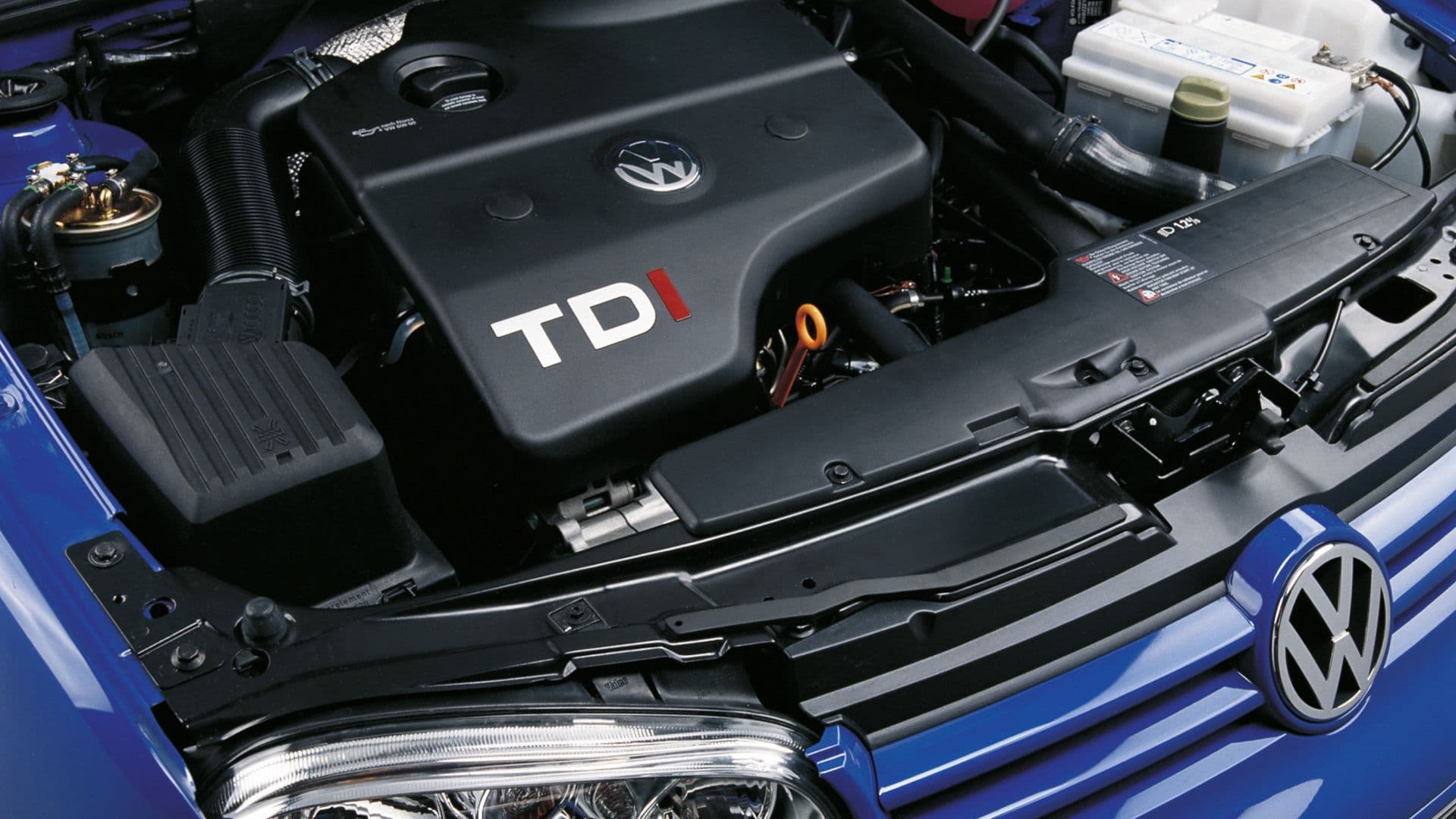
VW installed defeat device software in 11 million diesel cars worldwide that reduced emissions only during testing while polluting up to 40x legal limits.
“Volkswagen TDI Clean Diesel technology provides exceptional fuel economy with low emissions”
From “crazy” to confirmed
The Claim Is Made
This is the moment they called it crazy.
When Volkswagen launched its "clean diesel" campaign in the 2000s, the company positioned itself as an environmental innovator. Sleek advertisements promised diesel engines that delivered performance without the pollution, suggesting drivers could have their cake and eat it too. The company's marketing was straightforward: these cars met strict emissions standards while offering better fuel economy than competitors.
Behind closed doors, Volkswagen engineers had built something entirely different. The company had installed sophisticated software—a "defeat device"—in approximately 11 million diesel vehicles worldwide. This software was designed to detect when a car was undergoing an emissions test and temporarily reduce pollution output to pass regulatory checks. Once back on the road, the software would disable these pollution controls, allowing the vehicles to emit nitrogen oxides at levels up to 40 times higher than legal limits.
For years, Volkswagen maintained that its diesel technology was legitimate. When researchers and regulators began asking questions about unexplained emissions gaps between lab tests and real-world driving, the company offered technical explanations that essentially blamed driver behavior and weather conditions. The narrative was consistent: there was no intentional deception, just a difference between how cars performed in controlled environments versus everyday use.
This defense crumbled in September 2015 when the U.S. Environmental Protection Agency issued a Notice of Violation. The EPA had discovered that Volkswagen couldn't adequately explain the massive disparity between emissions test results and actual road performance. Faced with evidence they couldn't refute, Volkswagen admitted the truth: the company had deliberately programmed approximately 482,000 vehicles sold in the United States alone to cheat emissions tests, with millions more affected globally.
Get the 5 biggest receipts every week, straight to your inbox — plus an exclusive PDF: The Top 10 Conspiracy Theories Proven True in 2025-2026. No spam. No agenda. Just the papers they couldn't hide.
You just read "Volkswagen programmed diesel cars to cheat emissions tests w…". We send ones like this every week.
No one's said anything yet. Be the first to drop your take.
The evidence was unambiguous. Investigators found that Volkswagen had spent years developing and refining this deception. Internal documents and testimony revealed that multiple levels of the company—from engineers to executives—were aware of what they were doing. This wasn't a rogue team working in isolation; it was a systematic corporate decision made across multiple departments and model years.
The scope of the fraud extended far beyond the United States. The Volkswagen Group had installed these defeat devices in diesel vehicles across Europe, Asia, and other markets. Each continent had slightly different regulatory environments, but Volkswagen's solution was consistent: program cars to cheat whenever they detected test conditions.
The consequences were substantial. Volkswagen faced over $15 billion in fines and settlements. The company issued recalls affecting millions of vehicles. Executives faced criminal charges in multiple countries. Perhaps more significantly, Volkswagen's reputation as a trusted brand was permanently damaged.
This case matters because it represents a fundamental breach of the social contract between consumers and corporations. Volkswagen didn't just break environmental regulations—it deliberately deceived regulators, customers, and the public about what its products were doing. Millions of people bought these cars believing they were purchasing clean technology, when in reality they were driving highly polluting vehicles.
The Volkswagen scandal demonstrates that massive institutional deception can persist for years. It required external scrutiny to expose. This raises uncomfortable questions about which other corporate claims we accept at face value, and whether we've developed adequate mechanisms to verify the promises companies make about their products.
Beat the odds
This had a 0.8% chance of leaking — someone talked anyway.
Conspirators
~200Network
Secret kept
10.6 years
Time to 95% exposure
500+ years