Despite the 2008 financial crisis causing $22 trillion in economic damage, destroying 8.7 million jobs, and requiring $700 billion in taxpayer bailouts, only one Wall Street executive -- Kareem Serageldin of Credit Suisse -- went to prison. Attorney General Eric Holder admitted that some banks were so large that prosecution could destabilize the financial system. Critics called it a two-tiered justice system where ordinary people go to jail but bankers get bonuses.
“The banks that caused the 2008 crisis are being protected from prosecution. This is a two-tiered justice system -- too big to fail means too big to jail.”
From “crazy” to confirmed
The Claim Is Made
This is the moment they called it crazy.
Confirmed: They Were Right
The truth comes out. Officially documented.
Confirmed: They Were Right
The truth comes out. Officially documented.
When the global financial system nearly collapsed in 2008, anger at Wall Street was palpable. Americans watched their homes lose value, their retirement accounts evaporate, and their jobs disappear. The question everyone asked was simple: who would go to jail?
The claim circulated widely among angry citizens and activist groups: zero Wall Street executives would face prison time for the crisis. This wasn't a fringe theory—it was repeated by journalists, economists, and legal analysts watching the unfolding scandal. The implication was clear: the wealthy operated under different rules than everyone else.
Initially, the government dismissed such talk as exaggeration. Officials insisted that serious investigations were underway and that criminal charges would follow where evidence warranted. Attorney General Eric Holder told Congress that his department was committed to holding financial institutions accountable. The public was told to have patience while prosecutors built their cases.
But the years passed, and convictions didn't materialize. Lehman Brothers imploded. AIG needed a bailout. Hundreds of thousands of homes entered foreclosure. Yet the executive suites remained largely undisturbed by handcuffs.
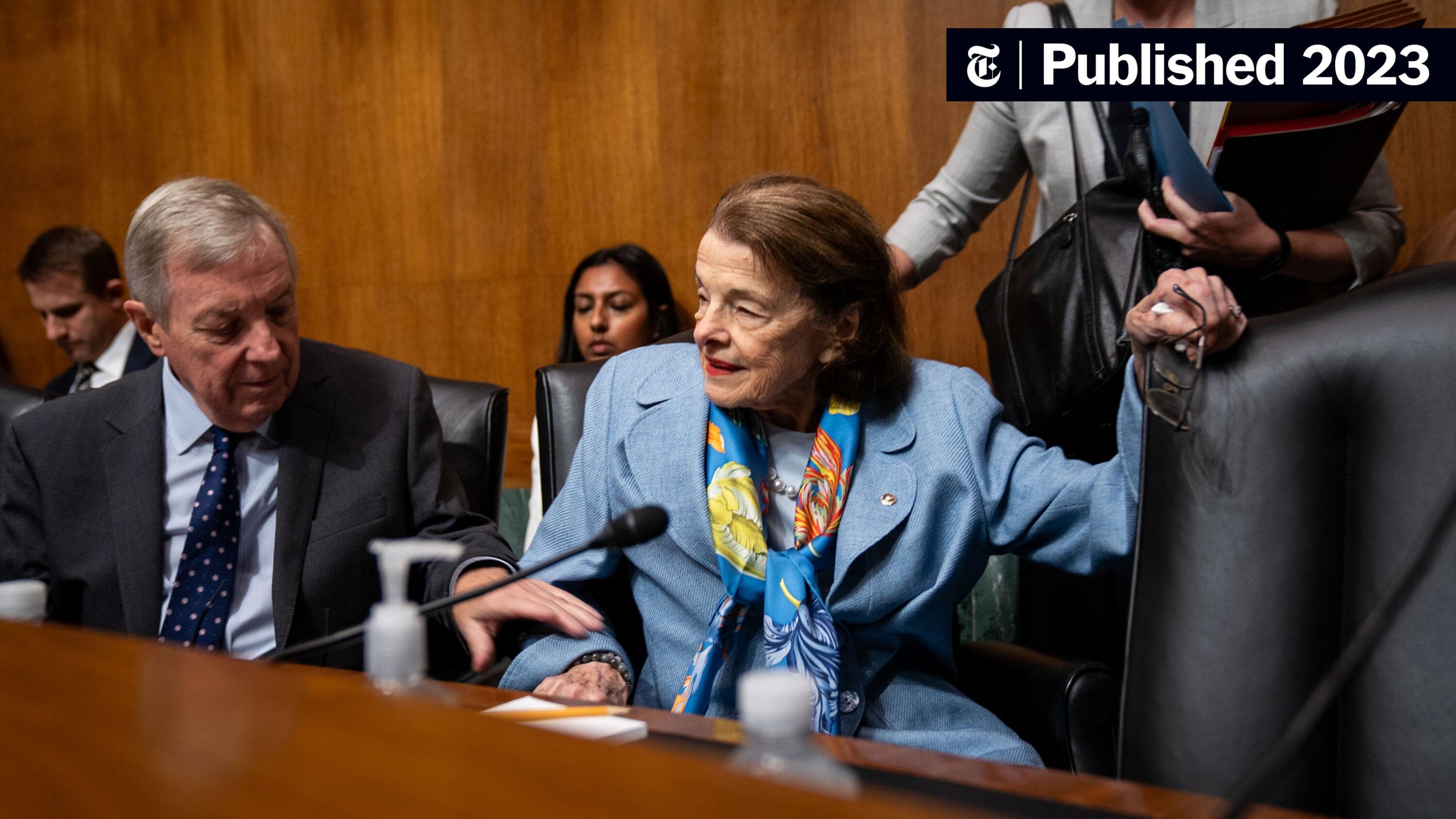
Then, in 2013, the truth emerged in Holder's own testimony before Congress. The Attorney General admitted that some banks had become so large and so interconnected with the global financial system that prosecutors had to consider whether criminal charges could destabilize the entire economy. In other words, some institutions were literally deemed "too big to jail." This wasn't hyperbole—it was official policy.
The actual record bears out the original claim, with one notable exception. Kareem Serageldin, a Credit Suisse executive, did serve prison time for his role in the mortgage-backed securities fraud. But he was a mid-level manager, not a senior executive who made the strategic decisions that triggered the crisis. No CEO, no chairman, no senior decision-maker from the major institutions faced prosecution.
The $22 trillion in economic damage and the 8.7 million jobs destroyed created a backdrop of ordinary suffering that made this disparity impossible to ignore. Meanwhile, the same banks that required $700 billion in taxpayer bailouts handed out bonuses to executives in the billions. The contrast was stark enough that even mainstream outlets couldn't avoid discussing the two-tiered justice system.
What makes this claim significant isn't that it was surprising—in hindsight, the outcome seems almost inevitable. What matters is that it revealed something fundamental about how justice operates in America. When citizens claimed that powerful people wouldn't face consequences, they weren't being paranoid. They were reading the room accurately.
The implications continue to reverberate. If prosecuting financial crimes at the highest levels creates too much systemic risk, what incentive exists to prevent similar crises? If the cost of fraud is merely regulatory fines that get passed to shareholders rather than personal prison time, why would behavior change? These questions suggest the original claim pointed to a structural problem, not an isolated scandal.
Public trust in institutions requires faith that rules apply equally. The documented fact that zero major architects of the 2008 crisis went to prison, explicitly because some were "too big to jail," showed that equal application of justice was negotiable when enough wealth and power were involved. That's the real significance of this verified claim.
Get the 5 biggest receipts every week, straight to your inbox — plus an exclusive PDF: The Top 10 Conspiracy Theories Proven True in 2025-2026. No spam. No agenda. Just the papers they couldn't hide.
You just read "Zero Wall Street executives were jailed for the 2008 financi…". We send ones like this every week.
No one's said anything yet. Be the first to drop your take.