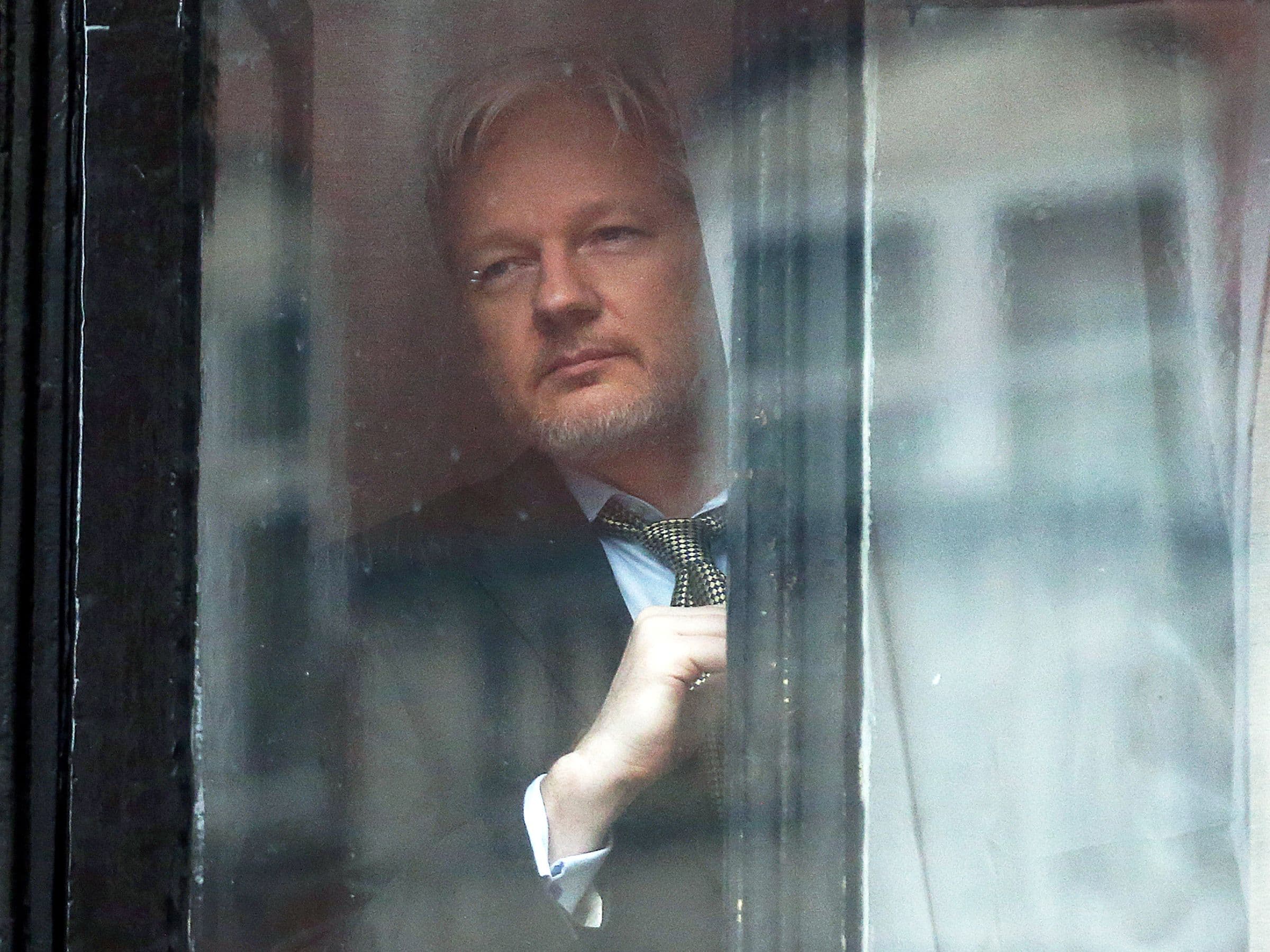
Julian Assange was charged under the Espionage Act for publishing classified documents including the 'Collateral Murder' video showing a US Apache helicopter killing Reuters journalists and Iraqi civilians. The charges were unprecedented — no publisher had ever been charged under the Espionage Act. Assange spent 7 years in the Ecuadorian embassy and 5 years in Belmarsh prison. In June 2024, he pleaded guilty to a single count and was released after serving 62 months. Press freedom organizations worldwide condemned the prosecution as a direct threat to investigative journalism.
“If publishing evidence of war crimes is espionage, then every investigative journalist is a spy. This isn't about national security — it's about accountability.”
From “crazy” to confirmed
The Claim Is Made
This is the moment they called it crazy.
In 2010, WikiLeaks published a classified military video showing an Apache helicopter attacking a Baghdad street, killing two Reuters journalists and a dozen civilians. The 39-minute footage, titled "Collateral Murder," exposed what many viewed as evidence of war crimes during the Iraq War. But the person who made that evidence public would spend the next 14 years fighting for his freedom.
Julian Assange, the Australian founder of WikiLeaks, became the first publisher in American history to be charged under the Espionage Act. The U.S. government alleged he violated the act by publishing classified military and diplomatic documents, including the helicopter video, cables about Afghan and Iraq wars, and State Department communications. The charges carried a potential sentence of 175 years in federal prison—a punishment typically reserved for spies and those who steal secrets for foreign governments, not journalists or publishers.
The official response from U.S. authorities was unequivocal: Assange wasn't being prosecuted for publishing, they insisted, but for the unauthorized receipt and handling of classified material. This distinction mattered legally, they argued, allowing them to pursue charges while maintaining they weren't targeting the act of journalism itself. Critics were dismissed as misunderstanding the nature of the charges. The Trump administration, which brought the charges, presented it as a straightforward national security matter.
Get the 5 biggest receipts every week, straight to your inbox — plus an exclusive PDF: The Top 10 Conspiracy Theories Proven True in 2025-2026. No spam. No agenda. Just the papers they couldn't hide.
You just read "Julian Assange faced 175 years under the Espionage Act for p…". We send ones like this every week.
No one's said anything yet. Be the first to drop your take.
Confirmed: They Were Right
The truth comes out. Officially documented.
Confirmed: They Were Right
The truth comes out. Officially documented.
Yet the reality proved more complicated. Press freedom organizations worldwide, including the Committee to Protect Journalists and international media outlets, documented that the charges were indeed unprecedented. No previous publisher—not the New York Times when it published the Pentagon Papers, not newspapers that disclosed classified NSA surveillance programs—had ever been charged under the Espionage Act for publication. The distinction between "receipt" and "publication" blurred significantly when the core evidence against Assange involved the documents he published.
The documented facts support the claim's core assertion. Assange spent seven years in the Ecuadorian embassy in London seeking asylum, then five additional years in Belmarsh Prison. In June 2024, after 62 months in custody, he accepted a plea agreement to a single count under the Espionage Act and was released, having essentially served his sentence through pretrial detention. The prosecution had achieved what no administration before it attempted: establishing legal precedent that a publisher could be prosecuted under a statute designed for espionage.
What made this claim "partially verified" rather than fully verified was the ultimate outcome. Assange didn't face trial on all charges, and he ultimately pleaded guilty. Some argued this validated the government's position that prosecution was justified. Others noted that the plea itself was coerced by the threat of 175 years—a sentence so extreme that accepting guilt became rational self-preservation.
The significance of this case extends far beyond one man's fate. It established that in the modern era, publishing classified evidence of government wrongdoing carries existential legal risk for publishers. Whether investigating war crimes, surveillance overreach, or corruption, journalists now operate under the shadow of espionage charges. This precedent doesn't silence investigation, but it certainly changed the calculus of whether to publish and how to do it. For those tracking what was claimed and what proved true, this case demonstrates how initial dismissals can obscure emerging realities about the boundaries of press freedom.
Beat the odds
This had a 0.3% chance of leaking — someone talked anyway.
Conspirators
~50Network
Secret kept
13.6 years
Time to 95% exposure
500+ years