Court documents revealed BoA foreclosed on properties without proper documentation and even homes with no mortgages. Whistleblowers exposed systematic robo-signing fraud.
“Bank of America follows all proper legal procedures for foreclosures and maintains accurate documentation”
From “crazy” to confirmed
The Claim Is Made
This is the moment they called it crazy.
When millions of Americans fell behind on mortgage payments during the 2008 financial crisis, many assumed the foreclosure process was at least rigorous and documented. Banks had mortgages. Homeowners owed money. The legal machinery would sort it out. This assumption proved dangerously naive.
What emerged from the foreclosure crisis of 2009-2011 was evidence that Bank of America, along with other major lenders, had systematized the foreclosure process to the point of recklessness. The claim wasn't merely that BoA foreclosed on people who couldn't pay their mortgages—that was legal, if tragic. The claim was that BoA foreclosed on homes they didn't own, lacked proper documentation for, and sometimes had never even provided loans against in the first place.
When whistleblowers and investigative journalists first raised these allegations, the banking industry's response was consistent: these were isolated incidents, processing errors, nothing systematic. Bank executives and their representatives portrayed the accusations as overblown, the work of activists and opportunistic lawyers. The financial sector had weathered the crisis. Surely the legal system had safeguards. Surely banks couldn't simply take homes they had no claim to.
They could, and they did.
Court documents from foreclosure proceedings across the country revealed a practice known as "robo-signing," where bank employees would sign off on foreclosure documents by the thousands without actually reviewing them or verifying the information contained within. Affidavits certifying that banks held valid mortgages were signed by people who had no knowledge of whether those mortgages actually existed. Some documents were signed by employees who didn't even work in the mortgage divisions they were certifying.
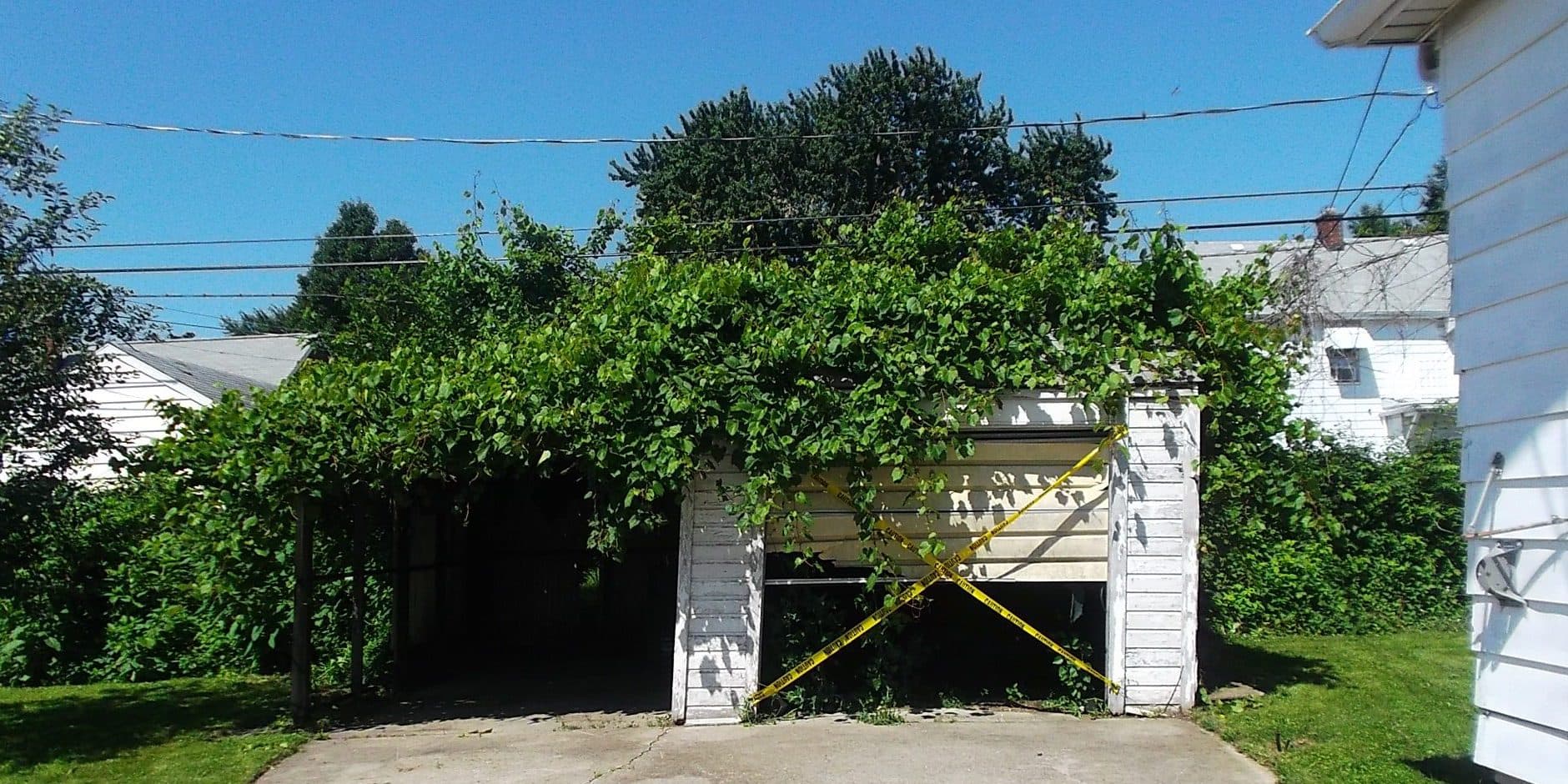
More troubling still was the discovery that Bank of America had foreclosed on homes with no mortgage attached, homes where the borrower had paid off their loan, and properties where BoA had never issued the original loan at all. The documentation was simply fabricated or falsified to fit a narrative of legitimacy that didn't exist. Thousands of homeowners lost their houses based on paperwork that was fundamentally fraudulent.
The evidence accumulated quickly once regulators began looking seriously. Depositions revealed the scale of the problem. Court records showed judges had been presented with false documents. State attorneys general opened investigations. By 2011, BoA and other major lenders faced lawsuits and settlements totaling billions of dollars. In 2012, BoA agreed to a $25 billion settlement over mortgage-related abuses, one of the largest ever reached.
Yet despite the financial penalties, the acknowledgment of wrongdoing felt hollow to those who lost their homes. Many families had already been displaced. The foreclosure stayed on their credit records. Their lives had been disrupted by a process that was, at its core, fraudulent—and the consequences fell almost entirely on them rather than on the executives who orchestrated the scheme.
This case matters because it revealed something fundamental about institutional trust. When the largest banks in America faced a choice between following the law and maximizing efficiency, they chose efficiency and fabricated the law to match. They weren't punished in ways that would deter future misconduct. They paid fines that were ultimately absorbed as business expenses. The claim that wasn't supposed to be true turned out to be systematic, deliberate, and devastating.
See also: [Bank of America's Foreclosure Machine: What the Documents Reveal](/blog/bank-of-america-foreclosures-robo-signing-settlement) — our deeper breakdown of this topic.
Get the 5 biggest receipts every week, straight to your inbox — plus an exclusive PDF: The Top 10 Conspiracy Theories Proven True in 2025-2026. No spam. No agenda. Just the papers they couldn't hide.
You just read "Bank of America Deliberately Foreclosed on Homes They Didn't…". We send ones like this every week.
No one's said anything yet. Be the first to drop your take.