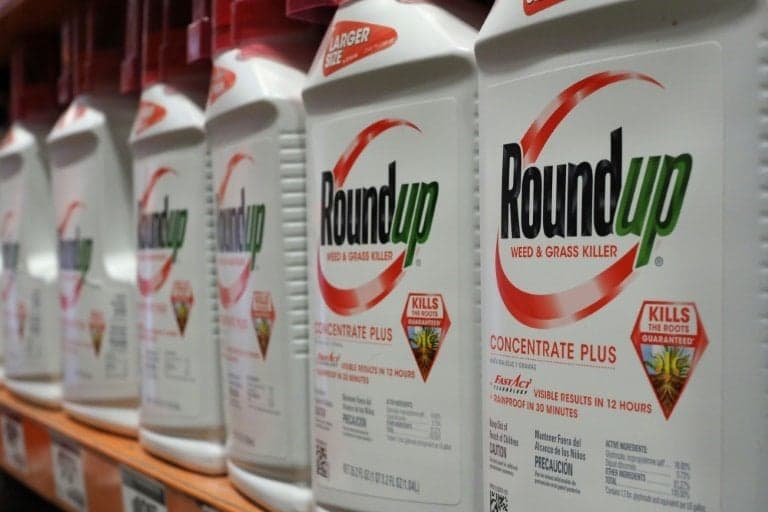
Bayer acquired Monsanto in 2018 for $63 billion, inheriting devastating Roundup cancer litigation. The company has already spent over $10 billion resolving cases with 65,000 claims still pending. Bayer's legal strategy includes pushing for a $7.25 billion class settlement, arguing federal preemption to block future claims, and threatening to put Monsanto into bankruptcy protection. In Missouri, Bayer spent two years lobbying for legislation to shield it from lawsuits. They've stopped making glyphosate Roundup for home use and are seeking approval for a replacement herbicide.
“Bayer didn't buy Monsanto to save agriculture — they bought it to use corporate legal machinery and bankruptcy threats to bury the Roundup cancer lawsuits.”
From “crazy” to confirmed
The Claim Is Made
This is the moment they called it crazy.
When Bayer announced its $63 billion acquisition of agricultural giant Monsanto in 2018, company executives promised investors that inheriting Roundup — the world's most widely used herbicide — would be a manageable addition to their portfolio. What followed instead was one of the largest environmental health liabilities in corporate history, one that Bayer has spent over a decade trying to contain through settlements, legislation, and legal maneuvers that pushed the company toward bankruptcy.
The claim at the heart of this story is straightforward: Roundup, whose active ingredient is glyphosate, causes cancer. For decades, Monsanto denied this vehemently. The company's internal documents, later revealed in litigation, showed that executives were aware of potential safety concerns as far back as the 1980s, yet the public-facing position remained unchanged. Regulatory agencies in the United States maintained that glyphosate was safe, and lawsuits were largely dismissed or settled quietly.
But the landscape shifted dramatically. In 2015, the International Agency for Research on Cancer classified glyphosate as "probably carcinogenic to humans." This wasn't fringe science — it was a World Health Organization assessment. Within years, juries began siding with plaintiffs, awarding substantial damages to people who claimed exposure caused their non-Hodgkin's lymphoma. 's legal position, once seemingly impregnable, cracked.
Get the 5 biggest receipts every week, straight to your inbox — plus an exclusive PDF: The Top 10 Conspiracy Theories Proven True in 2025-2026. No spam. No agenda. Just the papers they couldn't hide.
You just read "Bayer's $63 billion Monsanto acquisition inherited massive R…". We send ones like this every week.
No one's said anything yet. Be the first to drop your take.
By the time Bayer closed the acquisition, the company was inheriting not a stable product line but a legal catastrophe. The numbers tell the story: Bayer has already spent more than $10 billion addressing Roundup claims. The company faces 65,000 pending lawsuits from people claiming the herbicide caused cancer. In an effort to cap its exposure, Bayer proposed a $7.25 billion class action settlement and has aggressively pursued a legal strategy arguing federal preemption — essentially that only the EPA, not individual states or juries, should determine Roundup's safety.
Perhaps most revealing was Bayer's two-year campaign in Missouri to pass legislation that would shield it from future lawsuits. The effort exposed how corporations use the legislative process to escape accountability when courts prove unreliable. And there was the threat lurking beneath all negotiations: Bayer suggested it might place Monsanto into bankruptcy protection, a move that would dramatically limit what plaintiffs could recover.
The company has already conceded one important point: it stopped manufacturing Roundup for home use and is seeking regulatory approval for replacement herbicides. This quiet retreat from the consumer market contradicts the consistent assurance that the product was safe. You don't abandon a profitable product line unless the liability becomes existential.
What makes this case significant isn't just the money or the legal maneuvering. It's the confirmation of a pattern: a corporation's public statements about a product's safety differed markedly from what internal documents revealed. Regulators moved slowly. The legal system worked, but only after years of denial and only after juries got to see the evidence. And even then, resolution required threats of bankruptcy and legislative intervention.
For anyone tracking the gap between what institutions say is safe and what turns out to be true, this case is instructive. Bayer's $10 billion liability isn't the cost of an honest mistake — it's the price of a calculated bet that the claims would disappear, a bet that ultimately failed.
Beat the odds
This had a 0.3% chance of leaking — someone talked anyway.
Conspirators
~100Network
Secret kept
7.9 years
Time to 95% exposure
500+ years