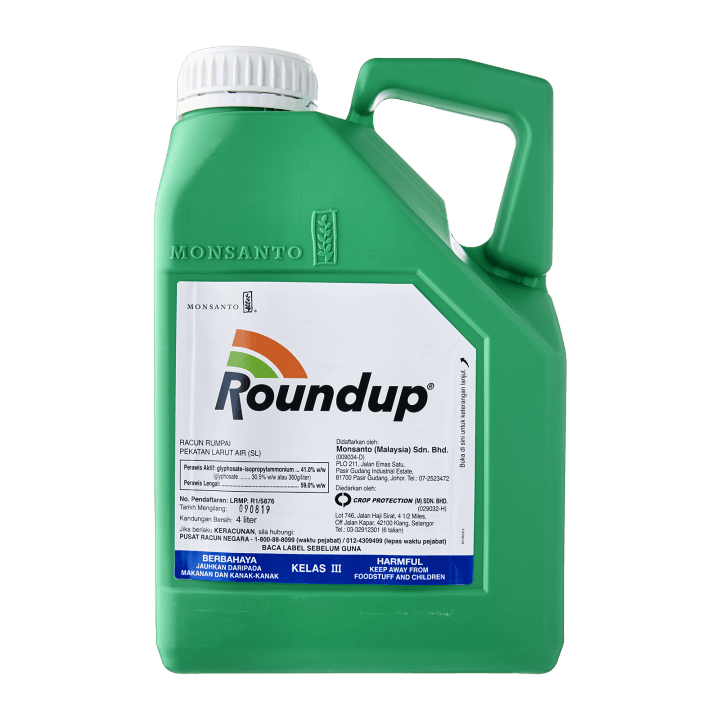
Internal Monsanto documents ('Monsanto Papers') revealed the company ghostwrote scientific studies, attacked independent researchers, and colluded with EPA officials to suppress findings linking glyphosate to cancer. The WHO's IARC classified glyphosate as 'probably carcinogenic' in 2015. Bayer (which acquired Monsanto) has paid over $16 billion to settle over 100,000 Roundup cancer lawsuits, mostly non-Hodgkin lymphoma cases.
“Monsanto's Roundup causes cancer and they've known about it for years. They're hiding the science and attacking anyone who speaks up.”
What they said vs. what the evidence shows
“Glyphosate is one of the most thoroughly tested herbicides in the world. Regulatory agencies globally have concluded it is safe when used as directed.”
— Monsanto Chief Technology Officer · Mar 2015
SourceFrom “crazy” to confirmed
The Claim Is Made
This is the moment they called it crazy.
For decades, Monsanto maintained that its bestselling herbicide Roundup was safe. The company's scientists, its marketing materials, and its regulatory filings all stated the same thing: glyphosate, the active ingredient, posed no cancer risk to users. Farmers sprayed millions of gallons across American fields. Homeowners applied it in their gardens. The company's confidence seemed absolute.
That certainty began to crack in 2015 when the International Agency for Research on Cancer, part of the World Health Organization, classified glyphosate as "probably carcinogenic to humans." The classification was based on a review of available scientific evidence. Monsanto responded swiftly and aggressively, dismissing the finding and standing by its product's safety record.
But documents would soon tell a different story.
Beginning around 2017, a cache of internal Monsanto communications surfaced through litigation discovery. These "Monsanto Papers," compiled and made public by the U.S. Right to Know organization, revealed what the company had actually known and done behind closed doors. The documents showed that Monsanto scientists had identified potential cancer risks in their own studies. Rather than publishing these findings openly, the company allegedly ghostwrote scientific papers to support predetermined conclusions of safety.
Get the 5 biggest receipts every week, straight to your inbox — plus an exclusive PDF: The Top 10 Conspiracy Theories Proven True in 2025-2026. No spam. No agenda. Just the papers they couldn't hide.
You just read "Monsanto knew Roundup (glyphosate) could cause cancer and su…". We send ones like this every week.
No one's said anything yet. Be the first to drop your take.
Confirmed: They Were Right
The truth comes out. Officially documented.
Confirmed: They Were Right
The truth comes out. Officially documented.
The papers also documented a coordinated campaign to discredit independent researchers whose work suggested links between glyphosate and cancer. Internal emails showed Monsanto employees strategizing how to attack the credibility of scientists who questioned the herbicide's safety profile. Perhaps most damaging were communications suggesting the company had developed unusually close relationships with EPA officials—relationships that appeared to influence regulatory decisions in Monsanto's favor.
The legal consequences followed quickly. In August 2018, a California jury awarded $289 million to Dewayne Johnson, a groundskeeper who developed non-Hodgkin lymphoma and claimed Roundup exposure caused his disease. The jury found that Monsanto had failed to warn consumers of cancer risks and had acted with malice. Additional verdicts followed, with juries in other cases awarding substantial damages to Roundup users diagnosed with the same cancer.
Bayer, which acquired Monsanto in 2018, ultimately decided the litigation risk was unsustainable. The company agreed to pay over $16 billion to settle more than 100,000 pending lawsuits. The settlement did not constitute an admission that Roundup caused cancer, but it represented an extraordinary acknowledgment that the liability exposure was real and substantial.
What makes this case significant is not simply that a corporation prioritized profits over public health—a familiar refrain in corporate accountability stories. What matters is the systematic nature of the deception. This was not a case of a company making an honest mistake about a product's safety. The Monsanto Papers documented deliberate suppression of inconvenient findings, manipulation of the scientific record, and interference with regulatory processes designed to protect public health.
For anyone paying attention, the case raises uncomfortable questions about how safety determinations are made. If a corporation can successfully suppress evidence and influence regulators for decades, what other products on store shelves today might have hidden risks? The answer matters less than the underlying problem: we trusted institutions—regulatory agencies, peer-reviewed science, corporate transparency—and found them compromised.
The Roundup litigation demonstrated that these systems have real vulnerabilities. Only litigation and document discovery forced the truth into daylight. That should concern us all.
Beat the odds
This had a 0.1% chance of leaking — someone talked anyway.
Conspirators
~100Network
Secret kept
3.4 years
Time to 95% exposure
500+ years